
 Zoe Grossman for PVOLVE/Mega
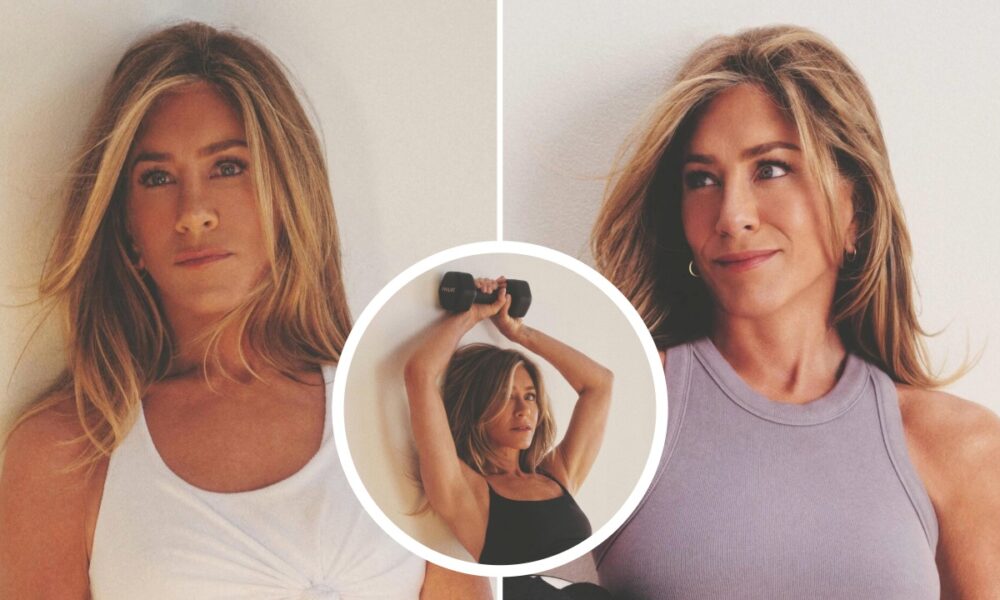
As Jennifer Aniston continues to smash stereotypes about what women can look like at any age, her longtime trainer, Dani Coleman, offers First for Women a closer look at the routine that helps the Friends alum stay in such great shape.
Earlier this year, Aniston, 57, opened up about her workouts with Coleman, and she admitted that she’s learned that just because a routine is more aggressive, it doesn’t mean it’s going to yield better results.
“You don’t have to break your body to get strong. Your workouts don’t have to be hours a day,” the Morning Show star told Today.com in January. “If I say I only have 30 minutes today, (Dani) will kick my ass.”
She continued, “Some days I’ll walk in and I’ll just say, ‘Dani, I don’t got it in me. Let’s just do mobility today. Let’s move, let’s stretch. Let’s get our blood pumping but just through mobility because the body is feeling too tired or I didn’t sleep.’ She’s always there. She meets you wherever you’re at.”
Even if she’s suffering from aches and pains, Aniston said that Coleman showed her how she can modify her workouts to avoid injuring herself more.
“It’s wonderful because you don’t ever have to sit on the bench and wait and be like, ‘God, I hope this injury heals up so I can get back to working out,’” she explained. “You are able to continue.”
As VP of Training at Pvolve, Coleman is pulling back the curtain on the workouts, mindset and routines that help the actress stay consistent, energized and strong.
Scroll down for First for Women’s interview with Coleman.
 Zoe Grossman for PVOLVE/Mega
Jennifer Aniston has said that starting her day with movement sets the tone for everything that follows. What does her typical morning workout routine look like, and why is that approach so effective for overall health and energy?
DC: Jen really believes in starting her day with movement because it helps her feel energized and grounded. Her routine truly depends on her schedule. When we have time together, we might do a longer session that’s around 40 minutes to an hour.
But other days she fits in a quick 10–15 minute session like the workouts in the Express Series, especially when she’s short on time.
All of our workouts, even the quicker ones, focus on our three pillars at Pvolve: strength, mobility, and stability. This approach supports overall health and longevity by helping the body move efficiently, build functional strength, and stay balanced and resilient.
It not only sets a strong, energized tone for the day ahead but also helps you feel better in your body, improve performance in everyday activities, and reduce the risk of injury over time.
The new Jen’s Express Series: Arms & Abs focuses on short 10–15 minute workouts. Can you explain why these shorter sessions can still deliver meaningful results, especially for busy women?
DC: These sessions can still deliver meaningful results because they’re intentional, efficient, and built on smart programming.
By targeting strength, mobility, and stability in a focused way, even a short workout can effectively activate muscles, improve movement quality, and build consistency.
For busy women, these quick sessions remove the pressure of finding a full hour to work out, making it easier to stay committed and show up regularly. And that consistency is what truly drives results – helping you feel stronger, more energized, and supported in your overall health without having to overhaul your schedule.
Over time, these shorter workouts can also serve as a foundation, making it easier to build up to longer, more in-depth sessions when your body and schedule allow.
What exercise does Jennifer find most difficult and why?
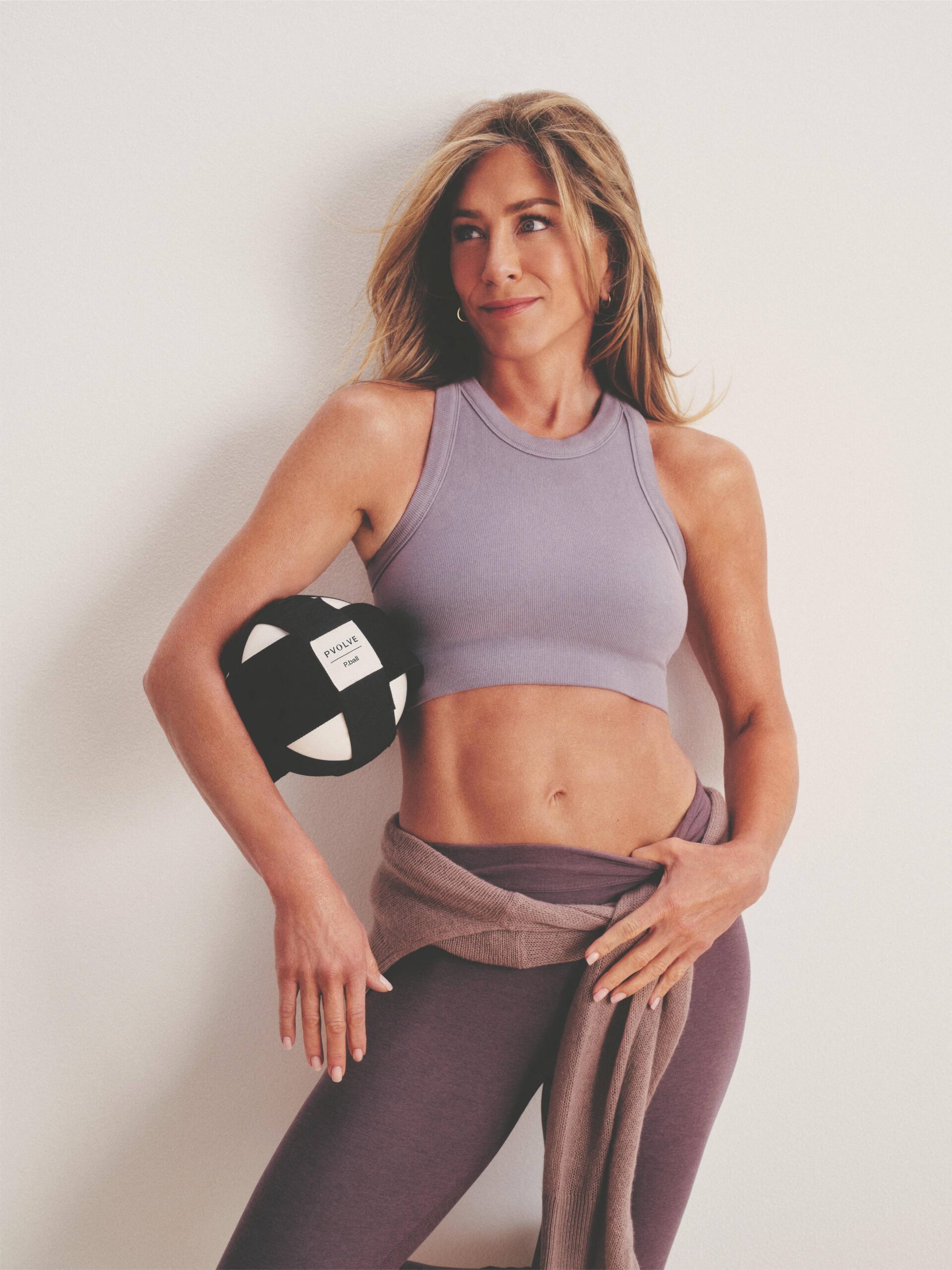
DC: Jen is always up for a challenge and really embraces all the movements we do together. I’d say some of the deep core work can be deceptively challenging, especially when we’re using the P.ball on the mat.
Those exercises require a lot of control and precision, which forces the core stabilizers to engage fully. The movements may look small, but they’re incredibly effective because they activate the muscles that support the spine and posture.
Jennifer is known for her toned arms and strong posture. What specific exercises or training techniques help build upper-body strength while also supporting shoulder stability and joint health?
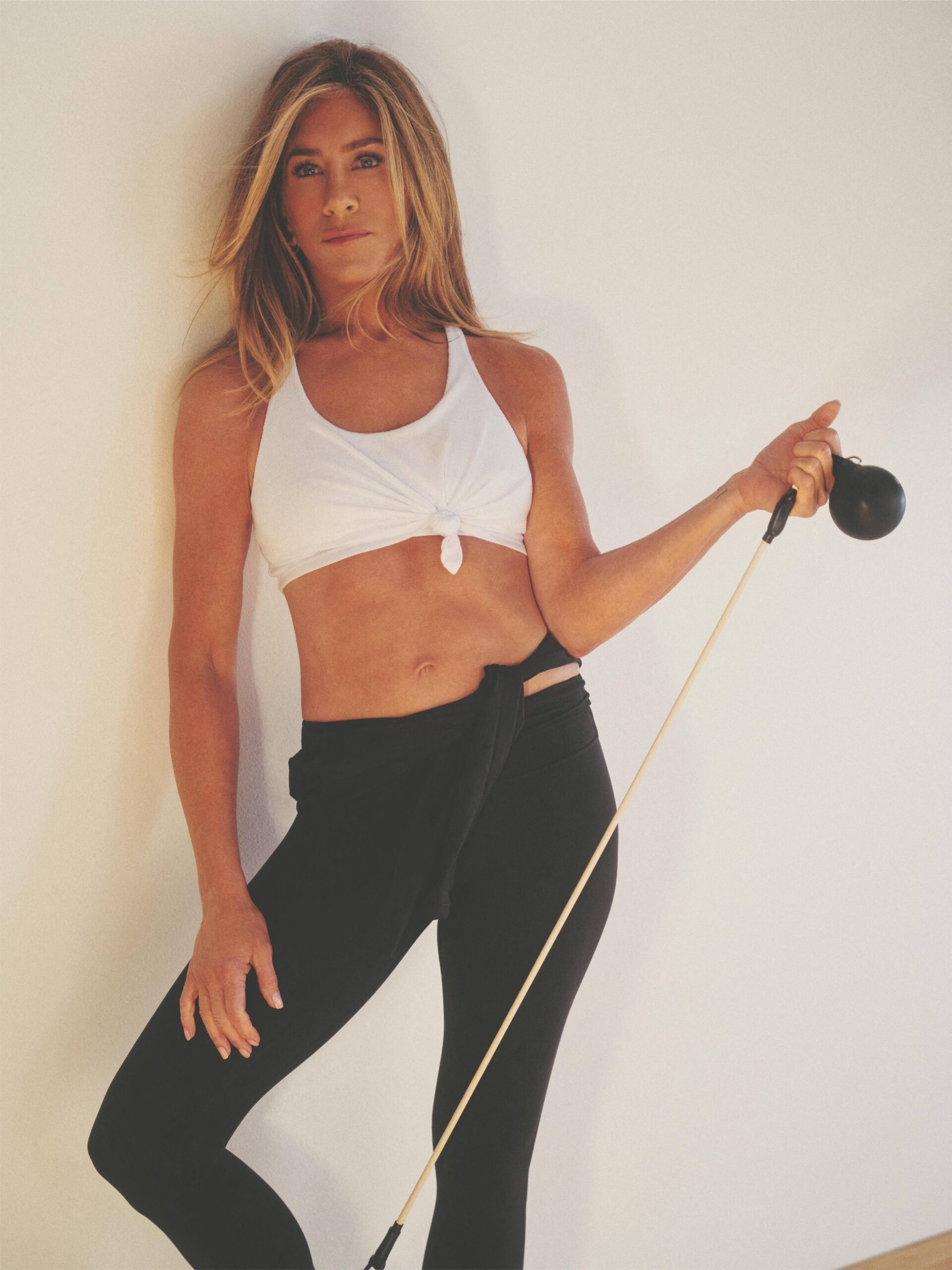
We incorporate a variety of movements that build strength while supporting mobility and stability in the entire body. When it comes to the shoulders specifically, we play around with a lot of external band pull-aparts with our p.band, plank variations, and overhead presses using our p.3 trainer and weights.
 Zoe Grossman for PVOLVE/Mega
PVOLVE uses low-impact progressive resistance training. How does that differ from more traditional strength workouts, and why can it be gentler on the body while still building lean muscle?
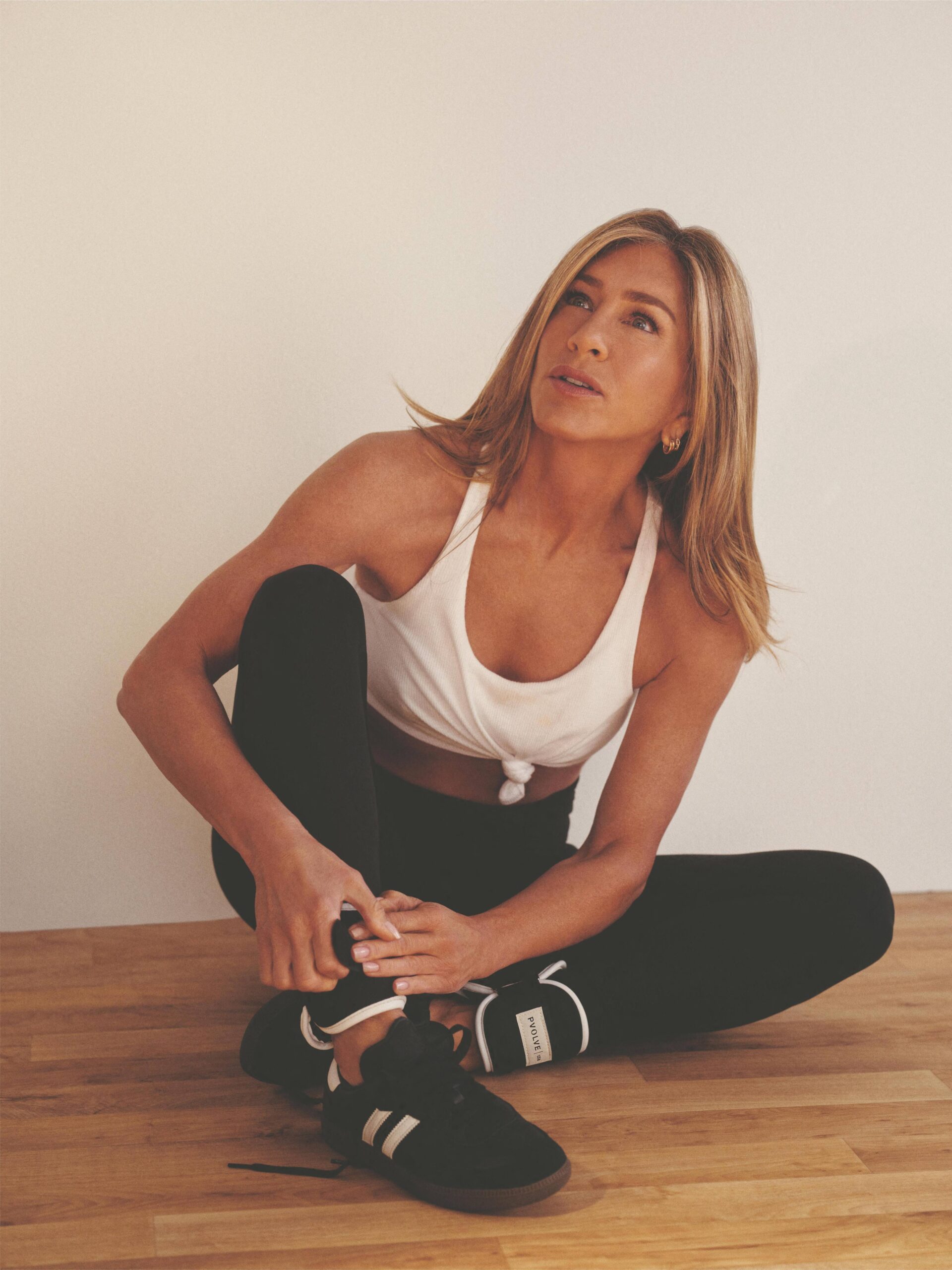
DC: Unlike more traditional strength workouts, Pvolve moves through all three planes of motion – sagittal, frontal, and transverse – while maintaining a strong focus on proper alignment. Combined with progressive sequencing, this approach gently guides your joints through their full ranges of motion, building strength, stability, and mobility simultaneously.
By training the body in multiple directions and with controlled resistance, it strengthens muscles more evenly, supports joint health, and helps prevent the imbalances and injuries that can come from repetitive, single-plane workouts.
Many women worry about injuries or joint strain as they get older. How does Jennifer’s training approach prioritize longevity, mobility, and protecting the body?
Consistency is key. Each session, we check in and adapt her workouts to meet her body where it’s at, ensuring she moves safely and effectively.
While every session incorporates our three pillars – strength, mobility, and stability – the focus within those areas can shift depending on how her body feels that day.
This personalized approach allows her to build strength, improve flexibility, and maintain balance without overtaxing her joints, supporting both performance and long-term joint health.
Everyone has “off” days where they’re tired or not feeling into a workout: How does Jennifer stay motivated in those moments?
DC: We approach those days a few different ways: prioritizing shorter sessions, putting on a good playlist, opting for a more recovery-based session, or looking to the pups to help us get through!
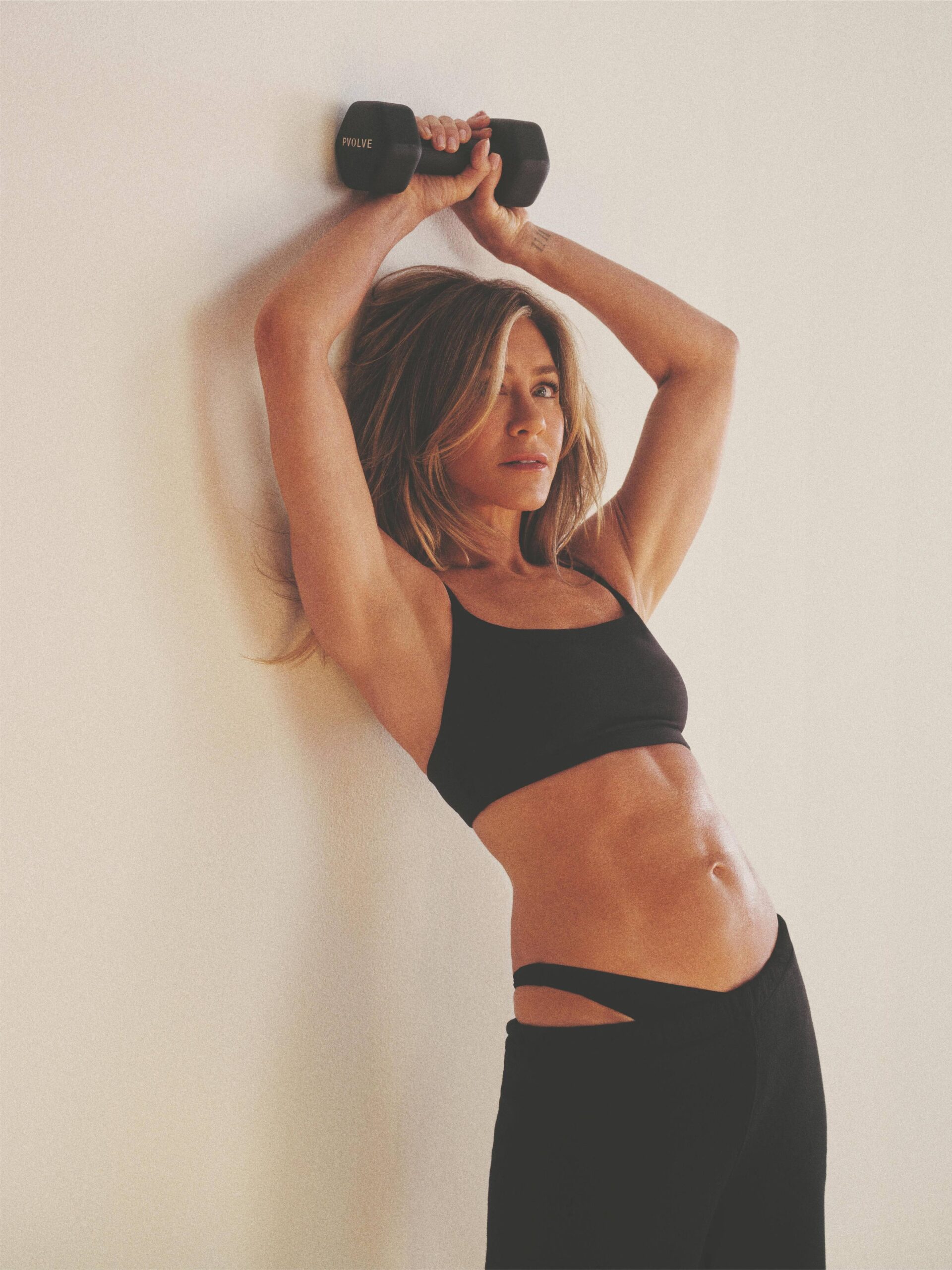 Zoe Grossman for PVOLVE/Mega
Jennifer has stayed incredibly consistent with her workouts over the years. From your perspective as her trainer, what mindset habits or routines help her stay motivated and committed?
DC: Jen approaches movement as a way to support her overall well-being. She focuses on workouts that make her feel strong and energized, which naturally makes consistency easier.
She also keeps things realistic. The ability to do short, effective workouts like those in the Express Series makes it easier to stay consistent even when her schedule is busy. And honestly, a great playlist never hurts either.
For First for Women readers who want to try the Jen-inspired approach at home, what are three simple tips they can start using right away to strengthen their arms and core safely and effectively?
DC: First, slow down and focus on controlled movement. A lot of people rely on momentum, but slowing down helps activate the muscles much more effectively.
Second, think about your core as a 360-degree system. It’s not just about abs; you also want to engage the obliques, back muscles, and deeper stabilizers that support posture.
And finally, stay connected to your breath and remain present in the movement. That mindful approach helps improve form, engagement, and overall results.