
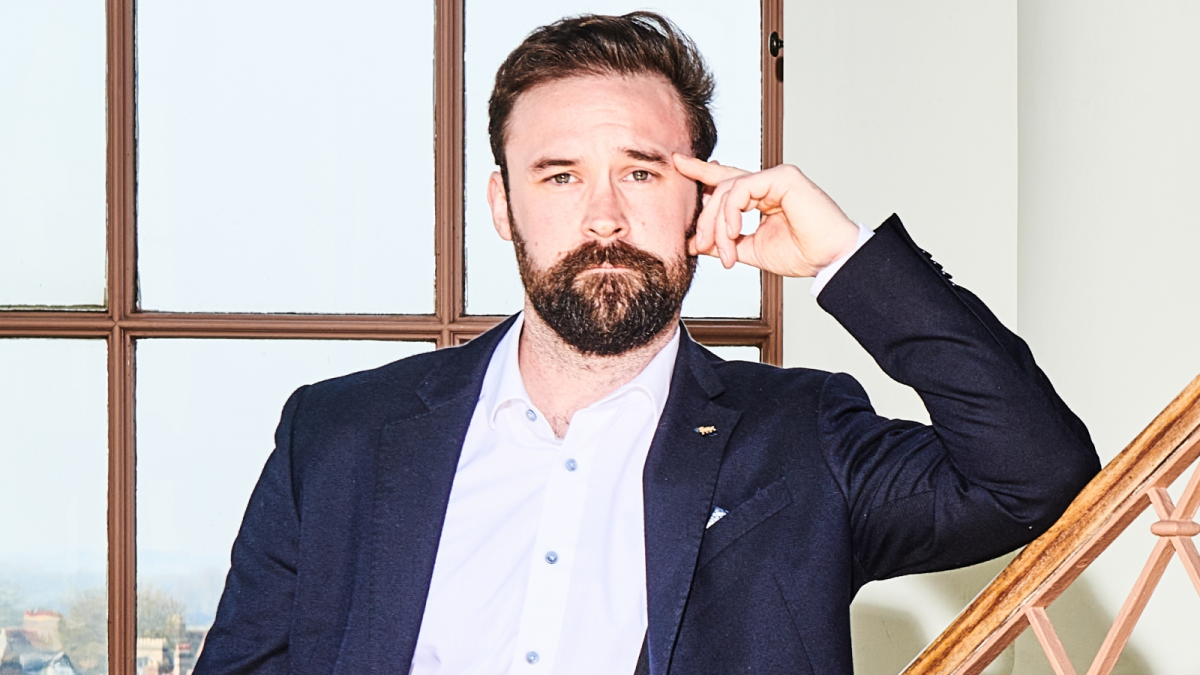
I am a survivor of early onset rectal cancer. Chemotherapy, radiotherapy and brutal surgery saved my life, removing my tumour along with my large intestine, bladder, prostate, rectum, pelvic floor and the base of my spine. I now live with two stoma bags and a body irrevocably changed by treatment.
I am also a scientist at the University of Oxford working to prevent the disease that consumed me. From that dual vantage, I’m confronted by an unpleasant truth: we brace for diagnosis and invest in treatments while neglecting prevention.
Underinvesting in cancer prevention is a choice, a failure of imagination and a lack of confidence in what we already know we can achieve. Preventive strategies could mean people can be joyful for never needing treatment, rather than grateful to have survived.
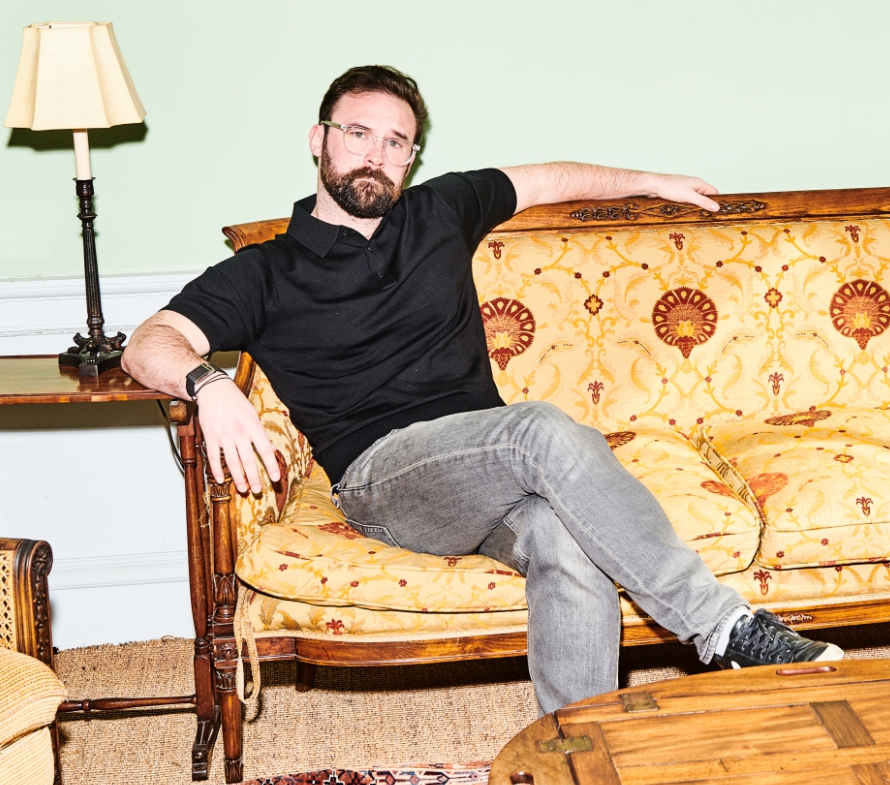 Understanding why I was dying in that moment did little to help me understand that I wasTom Jackson for the times magazine
A shock diagnosis
My story began in late 2017. At the age of 27, three months into a research post at the International Agency for Research on Cancer, I developed fatigue, severe weight loss and a grey pallor. I told myself it was irritable bowel syndrome. That, surely, was why I needed the toilet so often. I had just moved to a new country — of course, the diet was probably hard to get used to. I knew it wasn’t normal, but I also knew I was too young for it to be anything serious. About 99 per cent of all cancers in men happen after the age of 30.
By April 2018, scans showed advanced rectal cancer. My career’s focus was studying this disease. And yet, in this moment, none of that knowledge helped. Somehow, it made it worse. My expertise offered the illusion that my new world should be easily legible. In fact, understanding why I was dying in that moment did little to help me understand that I was. Genetic testing later confirmed that I was born without a fully working copy of the tumour suppressor gene adenomatous polyposis coli (APC), which would normally restrain unchecked growth in my bowels. Within weeks of diagnosis, the tumour had eaten so much of my colon that I needed emergency surgery to divert my bowel through my abdomen to a stoma to prevent sepsis. By June, my weight had dropped from 12st 8lb to under 8st, I was largely bed-bound and nurses began to describe my care as palliative. I remember little of this time, except for a consultant warning his more junior colleagues that I was “circling the drain”.
Over the next six months, I endured infections, isolation, morphine-induced unconsciousness and more. I was frightened by the pain, but also by the indignity of how quickly the tumour reduced me, until I was unable to control my bodily functions and at times without the strength to clean myself. But the treatment worked, and by December my tumour had shrunk by 95 per cent. That victory, however, led to the next battle, a 12-hour pelvic exenteration to remove my cancer. I awoke in July 2019 to a body remade by my surgeon’s knife. And then slowly, with the support of my family and my friends, I began to recover.
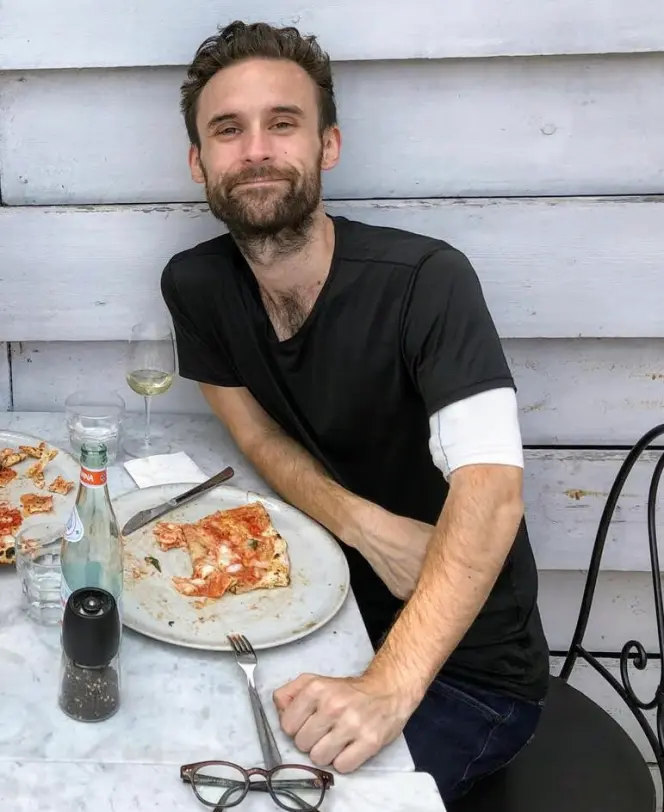 My weight dropped to under eight stone. A consultant warned I was “circling the drain”courtesy of Dr Karl Smith-Byrne
This is what we call success. And in the narrowest sense, it is. But surviving cancer steals the simplest of pleasures — the ability to eat without fear, spontaneous travel, and to imagine an intimate life that feels natural and unburdened. Scar tissue from my operations tangles what remains of my bowels, which can be blocked by something as innocuous as an undercooked piece of potato or a seed in a loaf of bread. These blockages have no medical solution. I am fitted with a tube into my stomach through my nose and given fluids and pain medication until it clears; otherwise I would be forced to have emergency surgery that risks the loss of my entire gut, leaving me tube-fed for life. My first blockage lasted two weeks and, without food, left me 3st 8lb lighter. Despite strict management, they continue to occur about once every three months.
Even in those bleak stretches, however, I found unexpected grace. With time I learnt to manage my two stoma bags: they would burst less often and when they did, I knew how to deal with it, even in public. As I got further from my surgeries and treatments, my body felt more my own and less fragile, less like something to be hidden. In time, I was fitter and stronger than I had been before the cancer. I met my partner, who helped me see what is possible, not only what has been lost, and we began to build our life together. I returned to my research with a new urgency, with less patience for the notion that cancer is inevitable and with rising frustration at our complacency in cancer prevention research.
A litany of failures
So how did we get here, projecting a 77 per cent rise in new cancer cases by 2050 while still pouring most resources into treatment rather than prevention? We know that up to 40 per cent of cancers are preventable, yet cancer research funding remains heavily skewed towards therapy-orientated biology and drug development for treatments rather than prevention. If this projected rise materialises under the present model, health systems that are already strained will simply not cope. Prevention is the only economically viable path forward.
The answer lies in two deep-seated failures.
The first is a failure of incentives. A common adage — “Prevention isn’t profitable” — is a convenient but inaccurate justification for this underinvestment. Cholesterol-lowering statins, for example, are a pillar of cardiovascular disease prevention and are one of the most prescribed and profitable classes of drugs in history, with cumulative global sales at close to $1 trillion in 2020. This success demonstrates that a vast market exists for preventive medicine.
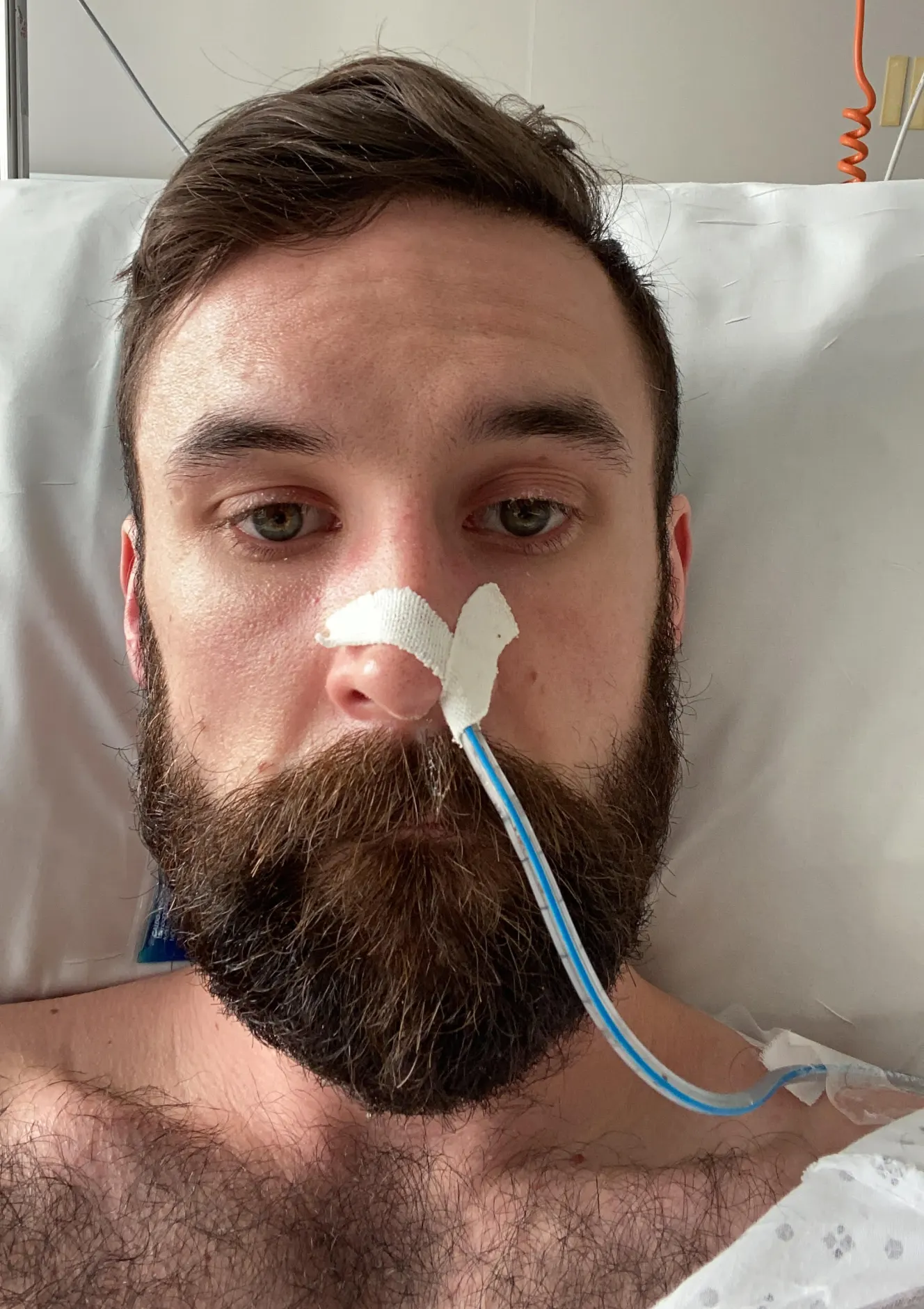 Smith-Byrne in hospital during his treatmentcourtesy of Dr Karl Smith-Byrne
Additionally, the business model for cancer prevention is viewed as uniquely difficult. A common argument is that cancer prevention trials must test large healthy populations for decades, thereby making them unfundable. No one is proposing that. The modern approach is not to test drugs across vast healthy populations for decades but to study well-defined high-risk groups, identified by genetics, lifestyle or other factors, where newer technologies can help detect an effect on cancer prevention in years rather than decades.
A deeper issue is a belief in industry and academia that prevention is a weak and uncertain market, because persuading high-risk but healthy people to take a daily pill is harder than selling expensive treatments to a smaller group in imminent need. However, we know this isn’t true. Statins and other antihypertensives are used at population scale to prevent cardiovascular disease. The rapid uptake of GLP-1 medicines such as Ozempic also supports this and further shows us that, when we couple long-term benefit with an immediate, tangible desirable effect such as weight loss or lower inflammation, people will take prevention medicines (even where drugs have non-trivial side-effects).
The final problem of incentives is political and social attention. Prevention offers delayed, diffuse benefits to a future population. Treatment offers immediate, tangible hope to an identifiable victim. Our political systems and media narratives are far more responsive to the powerful story of a patient saved by a new drug than to the abstract success of a programme that prevents thousands of future, anonymous cases. This asymmetry drives attention and funding priorities.
We need to reframe our perspectives on the feasibility of cancer prevention. Clearly, it is now possible to conduct modern, cost-effective prevention trials in well-defined high-risk populations and to test drugs that people will be willing to take, because we care not only about survival but about not getting sick in the first place.
Genetics and new tech give us an edge
The second failure underlying our slow progress is one of memory. Between the Eighties and Noughties, large dietary supplement trials based on observational data produced disappointing results: higher beta-carotene intake increased rather than decreased lung cancer risk in smokers; vitamin E raised prostate cancer risk. These failures reflected not only the difficulty of prevention, but also the limitations of the methods available at the time. The memory of these failures for funders and academics solidified into the perception that we had tried cancer prevention and it had failed, making us risk averse and pushing funding towards treatments.
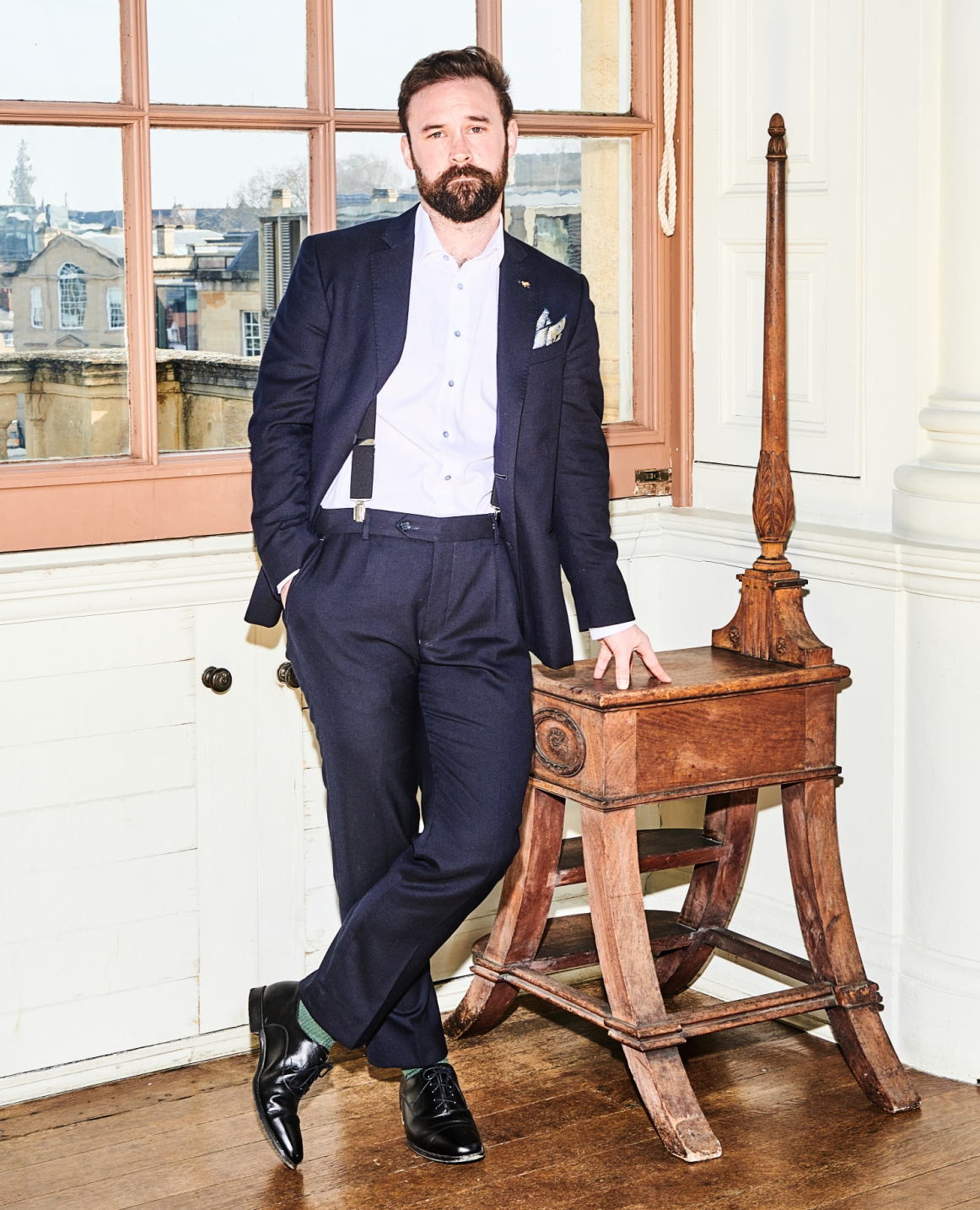 “Prevention is not a distant fantasy. What we need is the collective decision to act”tom jackson for the times magazine
However, when prevention was targeted at specific high-risk populations and built on a deep understanding of cancer biology, it often worked. Tamoxifen reduced oestrogen-positive breast cancer in high-risk women; HPV and hepatitis B vaccines cut cervical and liver cancers; eradicating Helicobacter pylori lowered gastric cancer risk. These interventions proved a fundamental point: that when we understand the biology of cancer development, we can prevent it.
Thankfully, we now live in a different world. We no longer need to rely solely on food questionnaires or hope that a single vitamin alone shifts population risk. Genetics and emerging technologies have given us an unparalleled view into the biology of cancer risk. Since the human genome was sequenced more than 20 years ago, thousands of cancer-associated genes have been identified, yet fewer than 1 per cent have been tested in experimental models of cancer onset. That gap has limited our ability to identify new preventive strategies, but it also represents a vast, untapped opportunity. Following up these findings alone has the potential to lift the cancers we can prevent well beyond the roughly 40 per cent we know how to prevent today.
And when we believe in prevention, we know how to act. We eradicated smallpox. Tobacco control has avoided millions of lung cancer deaths. Covid-19 vaccines went from design to injection in under a year. We can now prevent HIV with pre-exposure prophylaxis and malaria with vaccines. We must have the courage to imagine that cancer can be next.
There is a future where someone like me never develops cancer because the faulty APC gene is detected at birth and repaired before it ever causes harm. The same could be true for those with faulty copies of BRCA1 and BRCA2, corrected long before they can give rise to breast, ovarian, prostate and pancreatic cancers. This is now possible in some form with gene-editing therapies for sickle cell disease, which show that an inherited illness can be treated by intervening at the level of its genetic cause. The next step would be to package these gene-editing tools so they are targeted to act only in the right organs. This is already under way in efforts to prevent cardiometabolic disease by fixing cholesterol-increasing genes in the liver. This will allow us to target harmful genes in specific tissues, with greater benefit and fewer side-effects.
There is a future where we intercept cancer before it develops. For people whose risk is acquired over their lifespan, as our body’s internal processes gradually begin to make mistakes, new possibilities are emerging. Recent advances in medicines for neurological conditions show how targeting ribonucleic acid (RNA), the “message” a gene sends to make a protein, helps stop harm before it fully takes hold. In cancer, this could mean silencing those early harmful messages that set cells on the path towards malignancy, preventing the first aberrant cells from becoming a tumour.
There is a future where we teach our immune system to better recognise and eliminate dangerous cells before they develop into cancer. In Lynch syndrome, which also causes colorectal cancer, a faulty DNA spell-checker (a repair mechanism) makes cells prone to mutation and, ultimately, cancer. However, early on these unstable cells accumulate shared “typos” that can act as red flags for the immune system. A preventive vaccine now being developed with funding from Cancer Research UK could train our immune system to recognise and clear these drifting cells before they grow into a tumour.
These are not distant fantasies. The foundations exist. What is missing is the collective decision to act.
Make prevention a priority
I have learnt that effective cancer treatment can be life-saving. I have also learnt that surviving cancer is profoundly life-limiting. My life was saved by the very best of our reactive model of cancer care, and I live with its costs every day. These costs have at times been extreme. Because of the urgency of my diagnosis, I was not able to store a sperm sample and, when I was later offered the chance after treatment, little remained. There are many parts of the world I will probably never visit because I need to remain within reach of hospitals in case of obstruction. Because of my acquired anatomy, I develop many kidney infections each year, travel with prophylactic antibiotics and live with regular discomfort. Yet I am alive, and that was not expected.
I belong to a transitional generation. My parents’ generation faced cancer largely as a death sentence. Mine faces it as survivable but devastating, a bargain in which you trade your body and your simplest pleasures for the right to keep breathing. The question now is whether the generation after mine will have to make that same bargain, or whether we will have had the courage to spare them from it entirely.
I believe we can. But belief is not enough. Across major funders, cancer prevention still represents a small and static share of research budgets — about 7 to 9 per cent in the United States, approximately 7 per cent in the United Kingdom. Fewer than 4 per cent of European funders support primary prevention. In contrast, therapy-focused research commands close to 30 per cent and continues to grow. This must change.
We need scientists to pursue biology-driven prevention with the same ambition they bring to treatment. We need pharmaceutical companies to recognise that prevention is not only viable but, as statins and GLP-1 medicines have shown, enormously profitable. We need healthcare systems to understand that without prevention, the projected rise in cancer cases will overwhelm them. And we need political leaders to fund cancer prevention not as a footnote to treatment budgets but as a priority in line with what is at stake: millions of lives that need never be disrupted, diminished or destroyed by this disease.
One day, I hope a teenager will hear the word “cancer” and feel the same puzzlement that today’s young people feel when told about the fear that once surrounded diseases we now prevent. That future is within reach. But it requires our resources and our refusal to accept that what we have always done is the best we can do.