
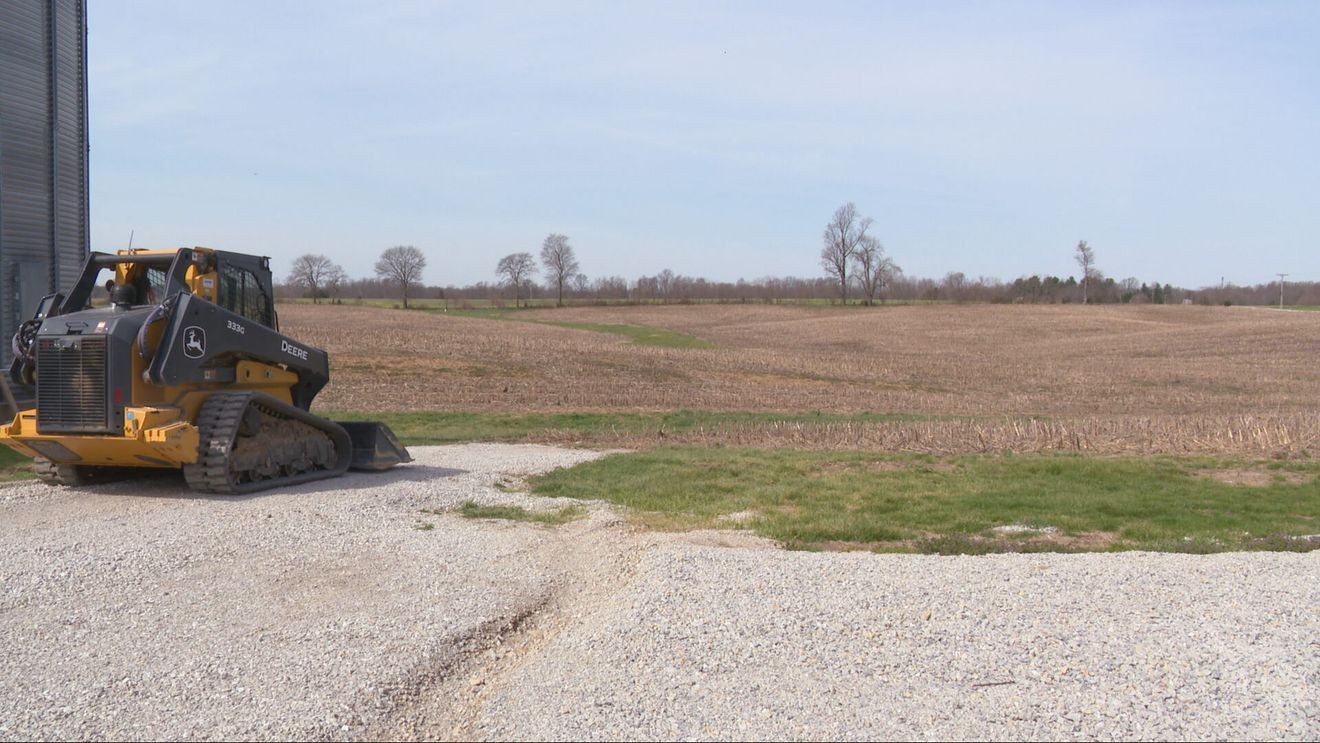
OSGOOD, Ind. (WKRC) – Rising costs are forcing tough decisions as farmers across the Tri-State prepare their fields for a new season.
Keith Abbott is already considering cutting back on some operations to save money. While he hopes it doesn’t come to that, it could mean smaller harvests—and when farmers face those decisions, it can lead to higher food prices for all of us.
Rising costs are forcing tough decisions as farmers across the Tri-State prepare their fields for a new season. Keith Abbott is already considering cutting back on some operations to save money. (WKRC, Provided)
Abbott is gearing up for planting season and will spend the next few weeks prepping his fleet. His nearly 800 acres are split between corn and soybeans, which he sells to an elevator. His last load was hauled off by three semis on Wednesday morning.
“They’ve been hauling for a couple weeks, you know; they hauled probably 80,000 to 90,000 bushels away,” Abbott said.
With his sights set on the next season, the costs cutting into his bottom line are glaring—fertilizer is the big one, and now fuel.
Abbott can’t wrap his head around how quickly the costs from tariffs and the war are being passed on to farmers, but he doesn’t believe that’s the whole picture. He can’t help but think the industries they rely on are taking advantage.
“That’s sad to say, but they know they can up the charge and get it because, you know, we’re going to be needing it,” said Abbott. “It’s not like, you know, we can wait six months and wait till it comes down. We need it now, and they know that.”
Abbott says all of the chemicals used for fertilizer will likely cost him $200 more per acre this year. He buys his fuel in bulk and hasn’t filled up since prices started rising.
“I’ll probably have about a thousand gallons, and you know, it’ll be $1,500 to $2,000 more than it was a month ago,” said Abbott.
He says that alone will impact operations. He likely won’t till his soil as frequently, and it’s possible he won’t at all to save money on fuel.
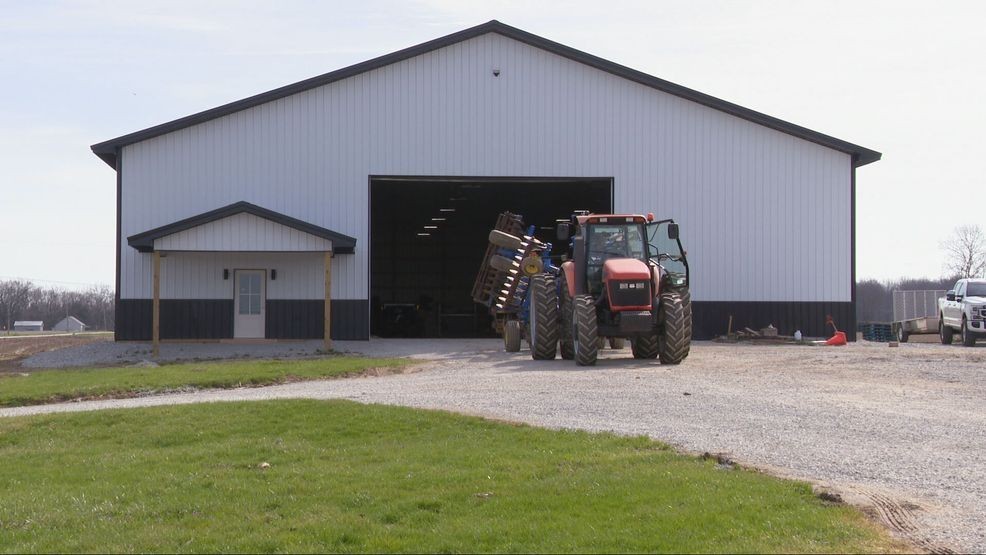
Rising costs are forcing tough decisions as farmers across the Tri-State prepare their fields for a new season. Keith Abbott is already considering cutting back on some operations to save money. (WKRC)
“With that, sometimes it’s, you know, you may get less yield. So, but then sometimes, the no-till works out good too,” said Abbott.
As a lifelong farmer, he says challenges have always worked themselves out—and he’s holding on to that.
The average U.S. farmer is 58 years old. The American Farmland Trust estimates nearly one-third of the country’s farmland will change hands in the next 20 years. At the same time, farm bankruptcies jumped 46% in 2025, with the Midwest and Southeast seeing the highest concentrations.
Abbott worries about younger farmers who may not be as established. His advice: try to be patient.