
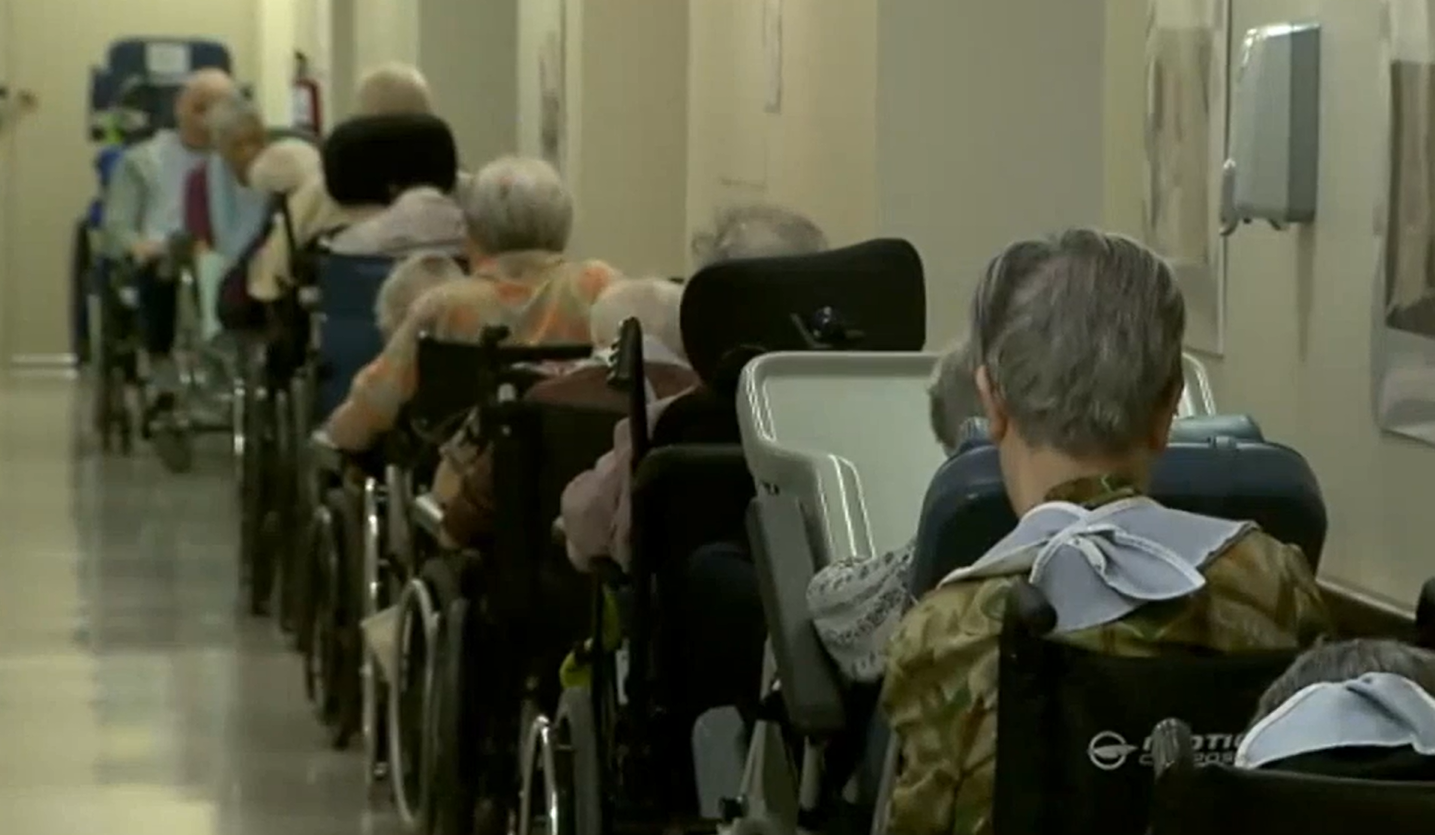
Seniors are waiting longer for many frontline services because the government isn’t keeping up with the needs of the rapidly aging population, advocates say.
An annual monitoring report released Thursday by the Office of the Seniors Advocate of British Columbia (OSA) says wait times for surgeries, long-term care, safe hospital discharge, and subsidized housing are all increasing as people are getting older.
Senior’s advocate Dan Levitt spoke to media Thursday morning.
Levitt says although the volume of completed surgeries has increased, the median wait times have risen significantly in the last year.
The number of seniors on waitlists has increased for four out of the top five surgeries needed: knee replacements, up 61 per cent; hip replacements, up 72 per cent; abdominal hernia repairs, up 16 per cent; and prostate, up 29 per cent.
“The only way of addressing that, because we are going to have more people who are going to be needing those surgeries, is to have more surgeons who are performing those procedures and to make sure that there’s operating time in the hospitals,” he said.
“It’s not just the surgeons that we’re going to need more of. We need more health-care professionals that are involved in those surgeries and in leading up to the surgery, and also after the surgery.”
Levitt warns it’s important that the province look at a strategy around hitting the benchmarks and making sure that seniors have the surgery when they need it, “because it disproportionately impacts seniors when they are waiting longer for surgical procedures.”
He says they’ve seen negative health outcomes as a result of being on that waitlist for too long.
Furthermore, the report outlines that there were 7,029 people waiting for a long-term care bed in 2025, a nearly 200 per cent increase compared to 2019/20. In addition, wait times have also grown, from an average of 144 to 287 days over six years.
When asked about what the province is doing about this, he said he’s cautiously optimistic it may improve in the future.
“We need to roll up our sleeves and get other ministries involved and prioritizing the needs of seniors, because as we know, we’re going to have 400,000 more seniors in the next decade,” he said.
“And now is the time to have the plan to build the infrastructure and create the services that are going to be needed by an aging demographic.”
He says the government doesn’t have any option but to invest.
“There is no way around this. If it’s long-term care, assisted living, if it’s home support, if it’s affordable housing for seniors, we’re going to need all those things,” he said.
“By not doing things like investing in long-term care, it has a direct impact on the family caregivers who are really subsidizing the public system, because they’re the ones taking on that work.”
He says if seniors are not in long-term care, they would not get clinic support and would end up in emergency rooms and admitted into the hospital because “ultimately, that senior who should be in long-term care isn’t getting the professional care that they would get if they lived in long-term care.”
“At the same time, we have to make sure that we’re building long-term care in the communities where seniors live, so they get the right kind of care close to home, so they won’t have to leave the communities where they live,” Levitt adds.
The report also outlines some other major statistics:
Over six years, the number of home support clients increased 16 per cent, and the rate of clients per 1,000 seniors (75+) decreased seven per cent;
In 2024/25, 83,124 seniors deferred their property taxes; however, 14 per cent fewer people joined the program compared to six years ago. The average property tax amount deferred was $5,369, a 23 per cent increase from 2019/20;
There were 13,216 approved applications for BC Housing Seniors’ Subsidized Housing (SSH) as of March 31, 2025, 50 per cent more than six years ago; only seven per cent of applicants (894) received a unit in 2025; and
The number of HandyDart rides decreased 13 per cent for BC Transit and six per cent for TransLink over the past six years.
Along with his concerns, Levitt did share some good news.
“One of the support and services side that we want to talk about is that the provincial government has made changes to the Shelter Aid for Elderly Renters, or SAFER, program. And many senior renters on low income are receiving higher rent subsidies,” he said.
“Additional good news — the Better Home program, funded by the province, has had an almost 70 per cent increase in clients and a 90 per cent increase in the number of services provided over six years. Better Home provides light housekeeping and yard work services, friendly visits, and meal delivery. These supports can make a difference for someone staying in their home versus moving into independent living, assisted living, or long-term care.”
However, despite being far more cost-effective than long-term care or assisted living, access to publicly funded home support services is not keeping up with the pace of the growing needs of the aging population, according to Levitt.
The number of people receiving home support has risen 16 per cent over the last six years. The average hours of care they received went up by three per cent, but the rate of clients per 1,000 seniors decreased by seven per cent. We know more seniors will need to access home supports through the public system, but the cost is prohibitive for many seniors. A senior in B.C. with an annual income of $30,000 must pay $9,000 a year for one hour of daily visits of home support,” he said.
“The lowest-income seniors, such as those receiving Guaranteed Income Supplement, do not pay for home support. But anyone with just a slightly higher income does, or just doesn’t get the care they need because they can’t afford it.”
He says most provinces do not charge for home support services, including Alberta and Ontario. B.C. does charge and is one of the most expensive in Canada.