
Summer might not yet be here but many families are already well advanced in planning their summer holiday travel.
While the focus is naturally on the adventure and the opportunity to relax away from the world of work, holidays abroad are inevitably a significant financial outlay, no matter how many early bird discounts you secure.
Travel insurance, we are assured, offers peace of mind, allowing you to look forward to your trip in the knowledge that if anything goes wrong, you are covered. Or maybe not.
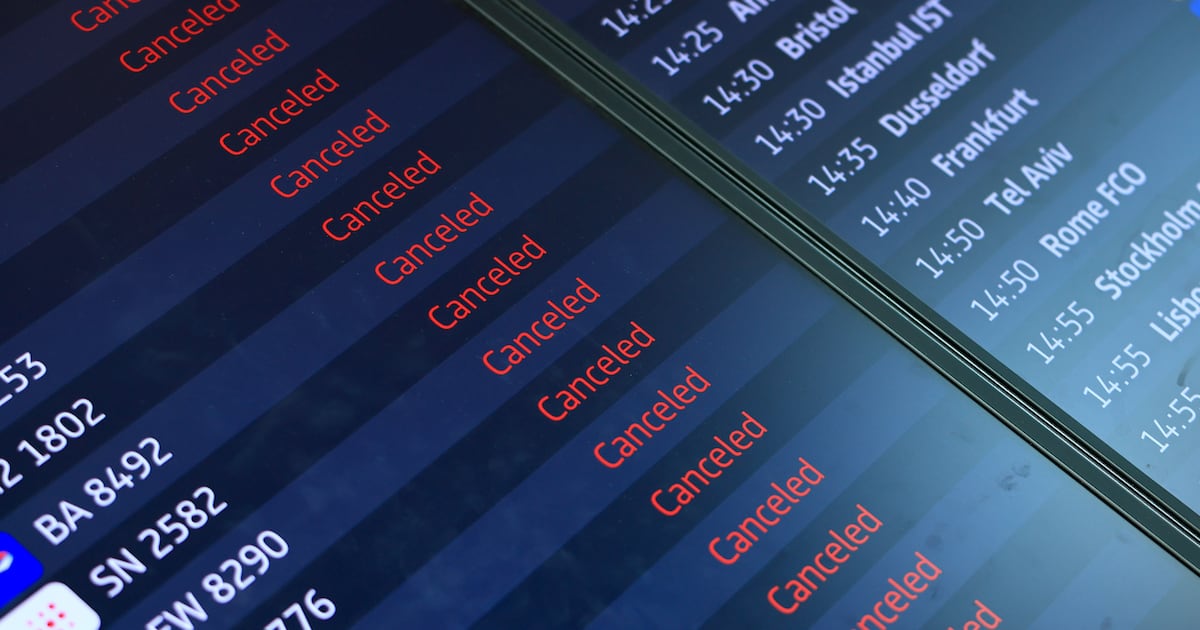
The report of the Financial Services and Pensions Ombudsman, published on Wednesday, tells the story of one couple who took out a travel insurance policy ahead of a trip abroad. On the day of their flight, they received a message from their airline while on the way to the airport to say the flight had been cancelled due to an IT issue.
They submitted a claim to their insurance company for half the cost of their accommodation and the cost of pre-booking a rental car – a not inconsequential total of close to €700.
The insurance company rejected their claim on the same day. It said that because they had selected “Other” on its website as their reason for cancelling their trip, “the system automatically declined” their claim as this reason was not listed in the policy terms and conditions.
[ Record number of complaints made to Financial Services and Pensions OmbudsmanOpens in new window ]
When the couple complained, the insurer reopened the claim only to reject it again.
The reason on this occasion: the definition of “delay and abandonment” in the terms and conditions of their policy only covered a mechanical fault with the aircraft itself, rather than the airline’s IT systems.
Also, as they had left their home before the flight was cancelled, they could not claim under “cancellation” in the policy, as this only offered cover for issues that arise before the trip began, the insurer said.
However, after the ombudsman sent a summary of complaint, the insurer said it had “added more definitions in relation to transportation and mechanical faults”, which meant it could now accept the claim.
As someone who has had more than their fair share of dealing with the insurance sector, insurers adding definitions to accommodate rather than limit claims is behaviour that certainly raises a sceptical eyebrow.
For intending holidaymakers, for real peace of mind, be sure to read the small print of your travel insurance policy to the end – and be prepared to challenge the sort of fatuous rejections that arose in this case.