
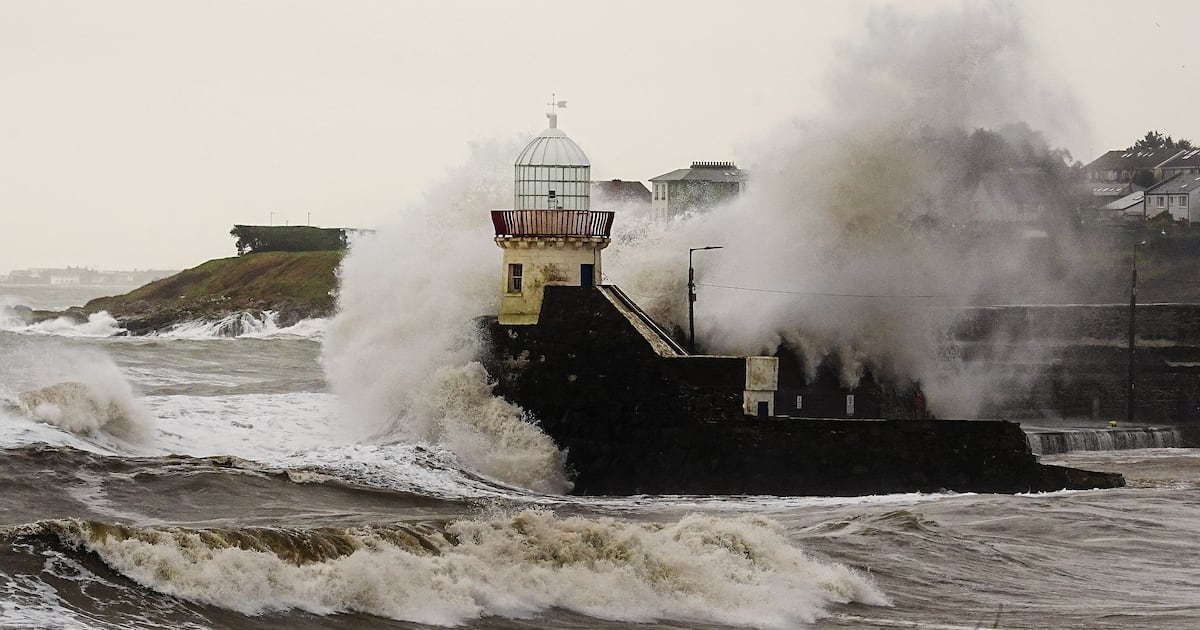
Storm Éowyn, which brought Ireland’s highest winds and a record €300 million in insurance payouts, was only one of the ways climate change damaged the country last year, according to a report from the Climate Change Advisory Council (CCAC).
Wildfire destruction was 40 per cent higher than in recent years, the spring-summer drought was one of the most extensive with water restrictions in 15 counties, and the swing from drought to autumn deluge was one of the most dramatic.
Storms and flooding hit many parts, damaging homes, businesses, farms and forests, and exposing vulnerabilities in critical infrastructure and essential services, including energy, water and telecommunications.
Summer was the warmest on record, with night-time temperatures falling no lower than 19 degrees at one point, leading to 2025 being Ireland’s second warmest year in recorded history.
The conditions increased the incidence of algal blooms and diseases such as avian flu, bluetongue and ash dieback, and the spread of invasive species such as the Asian hornet.
“Climate change, driven by greenhouse gases, is having measurable impacts in Ireland,” the CCAC, a Government-appointed independent body, said.
“There is clear evidence in 2025 of rising temperatures and more frequent extreme weather events, with growing risks for communities, infrastructure, essential services and the economy.”
The report, published on Wednesday, says the Government is not adequately preparing for those risks. It notes a promised implementation plan – intended to ensure that responses agreed following Storm Éowyn were followed through – has not yet been published.
It also highlights the knock-on effect of extreme weather, with the severe rainfall of late 2025 leaving soil saturated and unable to absorb the intense downpours that accompanied Storm Chandra in January, leaving multiple communities flooded.
[ Hazards mount for coastal areas as Earth’s climate imbalance worsensOpens in new window ]
Costs arising from extreme events last year are not yet fully known. Storm Bram, which struck in December, cost at least €60 million, and caused unprecedented damage to the Great South Wall in Dublin Bay which shelters shipping channels into Dublin Port.
But there were five named storms during the year, and the full economic losses take time to emerge.
The CCAC report cites figures from late last year that show climate-change-related economic losses in 2024 totalled €4.1 billion.
The same reliance on fossil fuels that is driving climate change has also left households and the economy vulnerable during the current oil crisis, the report said.
“The Council has repeatedly stressed that there are viable alternatives which must be urgently pursued that would increase our economic resilience, reduce our dependency on the actions of others and simultaneously reduce our contributions to global warming,” it said.
Prof Peter Thorne, chair of the CCAC’s adaptation committee, said climate change was no longer a future issue.
[ Bull Island is nature’s gift to Dubliners. They haven’t been gratefulOpens in new window ]
“Its damaging impacts are being felt across the environment, the economy and our communities,” he said. “Ireland remains underprepared for these impacts. We must shift from reacting to extreme weather events to anticipating and preparing for them.”
The council noted efforts to improve data gathering and forecasting capacity for weather, river changes, tidal conditions and soil moisture. However, it said more must be done to use that information and “strengthen early warning systems for the range of climate hazards that Ireland is exposed to”.
“The Council is further concerned that there continues to be limited timely and systematic information on the economic, social, health and environmental impacts of extreme weather events in Ireland,” the report said. Information is “fragmented” across various public and private bodies, agencies and companies.
“The impacts of these extreme weather events on critical infrastructure and services, the built environment and productive assets such as agricultural land and forestry are also likely to become increasingly severe.”