
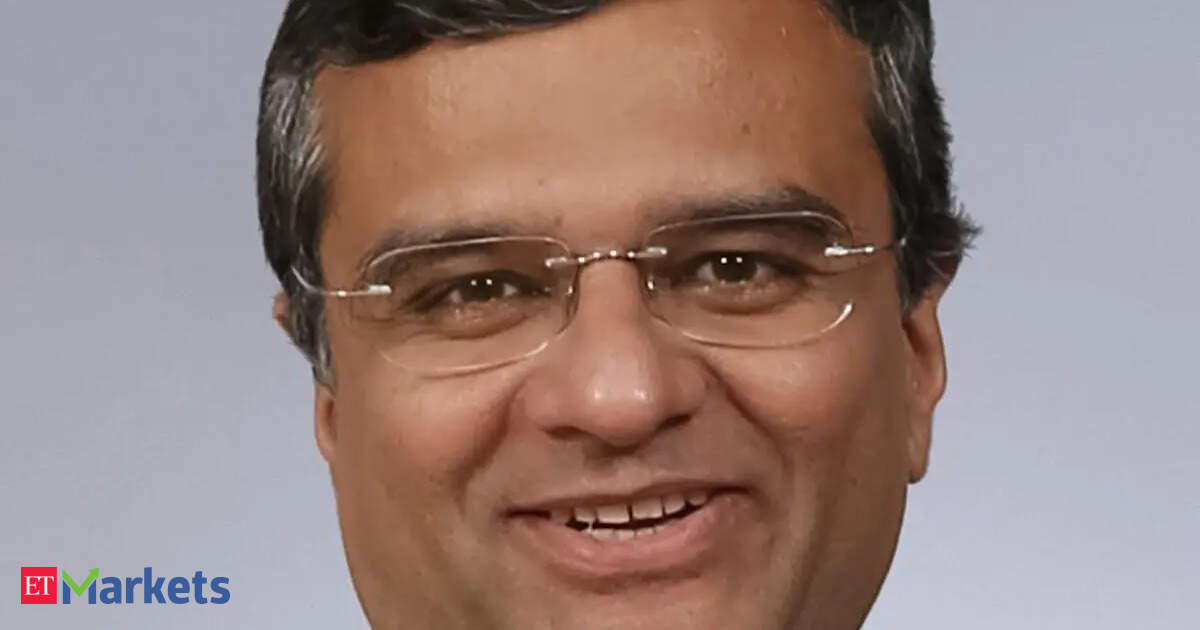
Dipan Mehta, Director at Elixir Equities, is urging retail and institutional investors alike to resist the temptation of chasing this week’s market rally — warning that sharp swings in both directions will continue until there is meaningful resolution to the ongoing geopolitical conflict and a sustained drop in global oil prices.
Speaking to ET Now, Mehta said the early momentum heading into the new financial year was encouraging, but cautioned that celebrations may be premature. “I hope it is not an April Fool’s for the market,” he said, noting that without clarity on how the conflict ends and how energy supplies normalise, the volatility gripping markets over the past four to five weeks is unlikely to subside.
The $80 oil threshold that matters most
For Mehta, one data point sits above all others right now: crude oil prices. At current elevated levels, he believes equity markets will remain under persistent stress. His view is clear — oil needs to return to around $80 per barrel before investors can reasonably conclude that the worst is priced in and that a gradual, durable recovery is underway.
“The most important data point to watch out for is oil prices,” he told ET Now. “At these rates, the market will remain under stress.” Live EventsThis threshold matters particularly for India, which imports the vast majority of its crude requirements. Higher energy costs filter through to inflation, corporate margins, and consumer spending — creating a compounding drag on broader market sentiment.
The Strait of Hormuz wildcardMehta also addressed a scenario that financial markets have not fully priced in: what happens if US forces withdraw from the region within weeks but the Strait of Hormuz crisis continues — leaving the next move entirely to Iran.
He was candid that geopolitical forecasting is beyond the scope of financial analysis, but stressed that the market’s response will be entirely dictated by what happens to oil and gas supply normalisation. The current conflict, he argued, is unlike previous Gulf wars in one critical respect — the scale of disruption to actual gas supply has no modern precedent.
“There have been Gulf wars in the past but nothing of this magnitude and the way it has disrupted the actual supply, especially of gas — that has not been seen before,” he said.
His advice: conserve cash, wait for dust to settle
Mehta’s tactical recommendation is straightforward and unambiguous — do nothing aggressive in either direction. Buying into sharp intraday rises and panic-selling during corrections are both mistakes in the current environment, he said.
Having lived through the 2008 Global Financial Crisis and multiple geopolitical shocks over his career, Mehta described the current situation as genuinely unprecedented in its combination of factors — and said that humility, rather than conviction, is the appropriate investor posture right now.
“Better to just sit tight, conserve cash, and hope for the best going forward,” he said.
For Indian equity investors, the message is essentially one of patience over positioning. Until oil prices cool, the conflict finds a credible resolution pathway, and energy supply chains show signs of returning to normal, the market will continue reacting violently to every headline — up or down.