
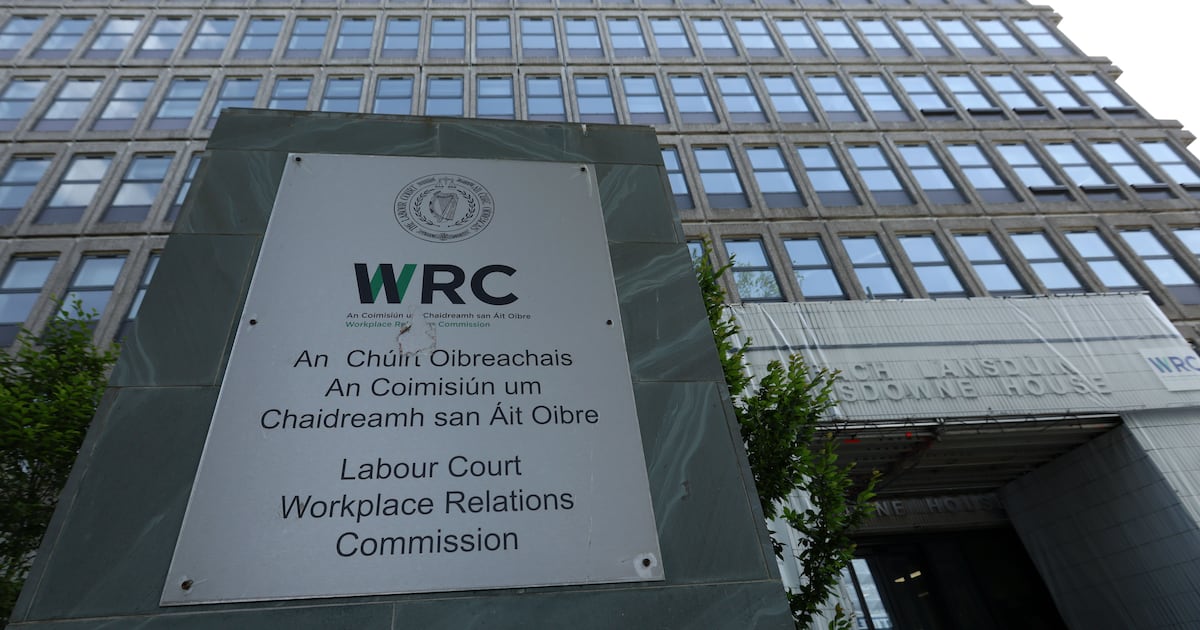
A migrant worker brought to Ireland to work as a chef has won nearly €80,000 for multiple employment rights breaches after he wound up earning just €1.61 an hour for doing 90-hour weeks for his employer.
The Workplace Relations Commission made the awards against Madhu Foods Limited, trading as Guru Indian Cuisine, with restaurants in Dundalk, Drogheda, Newry and central Belfast, on foot of complaints by Indian national Vasantkumar Barot.
Barot’s former employer entered no defence after failing to attend tribunal hearings in Dublin last December.
The tribunal heard Barot was “misled” by his ex-employer, to whom he paid €15,000 for a work permit as a commis chef. Barot went into debt to pay the money, the tribunal was told.
Barot arrived in Ireland in March 2023 expecting to be paid €570 for a 40-hour week, the tribunal heard.
Instead, he was ordered to go to work at a farm owned by his employer in the mornings – and would then attend one of the company’s four restaurants.
He was required to work on until “extremely late at night” or “into the early morning”, the tribunal recorded.
Sylwia Nowakowska of the Migrant Rights Centre of Ireland (MRCI), which represented Barot, said her client worked an average of more than 90 hours a week.
His average hourly pay in 2023 was €2.96 and in 2024 it was €1.61 – with “irregular” wage payments coming in cash or by electronic funds transfer, it was submitted.
Nowakowska said Barot’s former employer had engaged in “egregious exploitation and fraud, using the work permit system to exploit a vulnerable immigrant”.
The conditions at work amounted to “economic slavery”, she said. She noted no appearance by or on behalf of the respondent.
Adjudicator Brian Dalton ordered payment of €24,500 in arrears of wages under the National Minimum Wage Act 2000, based on the normal statutory maximum working week of 48 hours.
Barot gave “credible evidence” of working “well more than 48 hours”, the adjudicator wrote, for which he directed the payment of a further €15,000 compensation for excessive working hours in breach of the Organisation of Working Time Act 1997.
Further working-time breaches included the failure to give Barot his rightful breaks from work or to pay him for public holidays, annual leave or any extra for working Sundays, he wrote. For these, Dalton awarded another €24,413.72.
The company had only given Barot a copy of his contract in English, threatened him with the revocation of his work permit and “ignored virtually every obligation it owed to him”.
Dalton also found that an inference of racial harassment in breach of the Employment Equality Act 1998 had been raised and not rebutted by the employer. Mr Dalton also awarded €300 for the failure to give a statement of core terms of employment to the worker.
The total awarded to Barot in the case was €79,213.72.
Welcoming the ruling, a spokesperson for the MRCI said such cases were “not isolated”.
“When a worker’s right to remain in the country is tied entirely to one employer, the potential for exploitation is enormous.
“We call on the State to make it easier for a [permit] worker to change employer, ensure that enforcement mechanisms are robust and that employers who engage in such egregious exploitation face meaningful consequences,” the spokesperson added.