
Reading Time: 2 minutes
February 28 was not that long ago. In the weeks leading up to that day, confidence within the primary sector was palpable, with a few exceptions, due to forecast record or high dairy, meat, kiwifruit and apple export prices.
But, as with many good things in life, it all proved too good to be true.
On February 28 news broke that the United States and Israel had attacked Iran, throwing into disarray global order, fuel prices and supplies and supply chains.
The unprecedented optimism across multiple primary industries was replaced with concern and fear after Iran threatened to attack ships accessing or leaving the Persian Gulf via the Strait of Hormuz, through which 20% of the world’s oil and key fertiliser products pass.
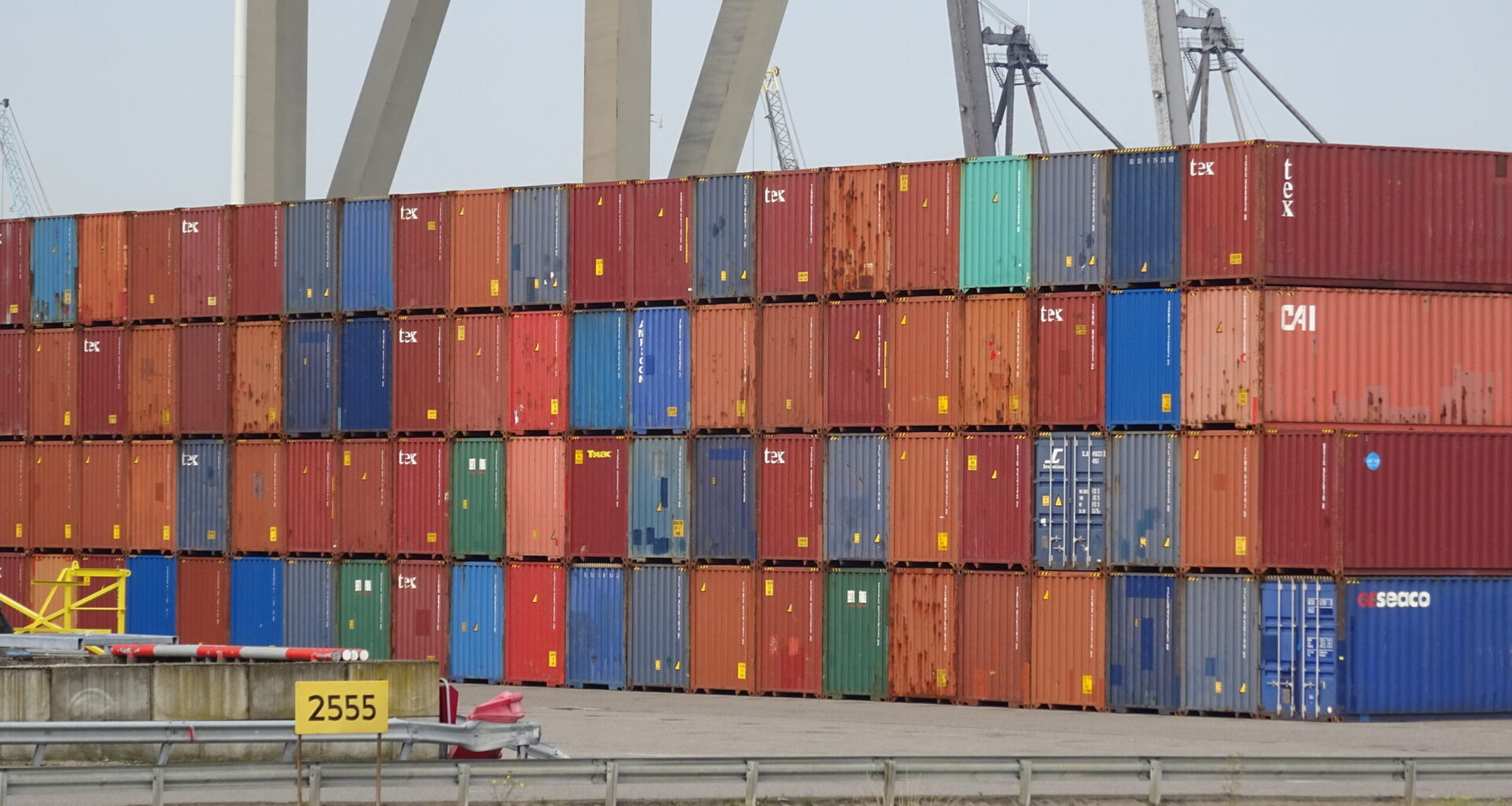
Subsequently, fuel prices have soared, shipping supply chains have been disrupted, exporters face a war surcharge and there are concerns about the relocation of containers and access to cold storage should the war be prolonged.
Fortunately, exporters have something of a playbook from the covid crisis and are starting to plan for various disruption scenarios.
Farmers Weekly has reported that there has been a sharp spike in diesel prices and some rural retailers have run out of fuel, but the country’s fuel stocks appear broadly in line with normal levels.
The government this week announced that with fuel already in the country or scheduled to arrive within the next three weeks, New Zealand has 59.3 days of petrol and 54.5 days of diesel.
It just costs substantially more.
As if that wasn’t enough to dent sector optimism, in the past few weeks it emerged that a significant portion of the country’s processed vegetable sector would be shut down by the withdrawal of McCain and Heinz Wattie’s.
Although not as significant as the Iranian war, it is devastating to Hawke’s Bay and Canterbury, affecting 320 growers along with contractors and employees, and is a blow to food security and land use options.
Politicians and economists are frantically trying to calculate the impact of the war on the New Zealand economy, replacing relatively upbeat and positive forecasts a bit over a month ago with something a lot more gloomy.
ASB chief economist Nick Tuffley has lowered economic growth for the coming year by 1.6 percentage points due to higher fuel costs.
The bank is picking inflation this year to rise in the near term and peak at about 4%, which will put pressure on the official cash rate just as households were starting to feel some relief.
There is a general expectation interest rates will rise this year as the Reserve Bank tries to curb inflation.
The cause of this global disruption is beyond our control and, situated as we are on the last stop on the supply chain, our only option is to be agile and adjust.
Primary sector exporters say the strong market demand that unpinned their earlier optimism largely remains, albeit returns are being trimmed by higher fuel and shipping costs.
It is unfortunate that events far from our shores are removing the gloss from what would have been an exceptional year, but at least international prices are at such a level as to not be disastrous for farmers and growers.