
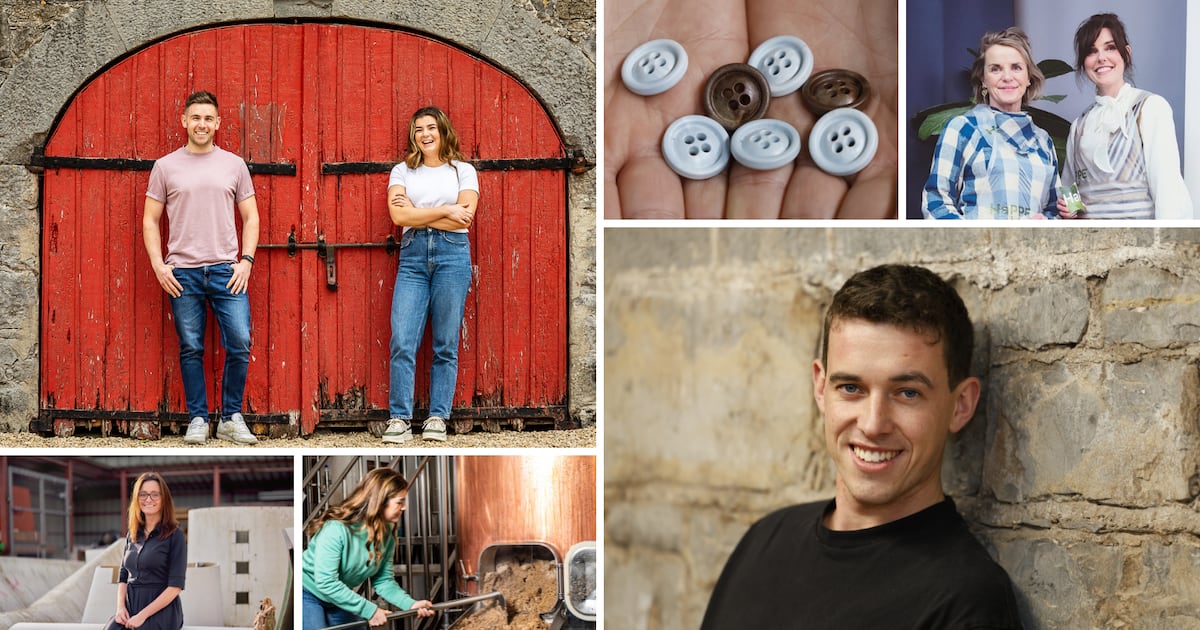
“Ecopreneurs” – business owners who balance economic goals with ecological concerns – are making strides all over the world.
Take TULU for example, an app now available in more than 50 cities worldwide with which apartment dwellers can rent domestic appliances, printers, bicycles and scooters, preventing excessive consumption of these occasionally used items. Or Le Marché in Pakistan, which collects textile waste and recycles it into cotton yarns, and converts agricultural waste like hemp, pineapple and banana stems into fibre. Or Dunia Designs in Tanzania, which makes furniture from recycled waste plastics collected from rivers, oceans and rubbish dumps.
We have a hardy batch of ecopreneurs in Ireland, too, who are finding novel uses for materials that would otherwise have been wasted, and developing new products to replace the ubiquitous single-use plastics which often end up littering land and sea.
Niamh and Ruairí Dooley BiaSol and Circular Food Company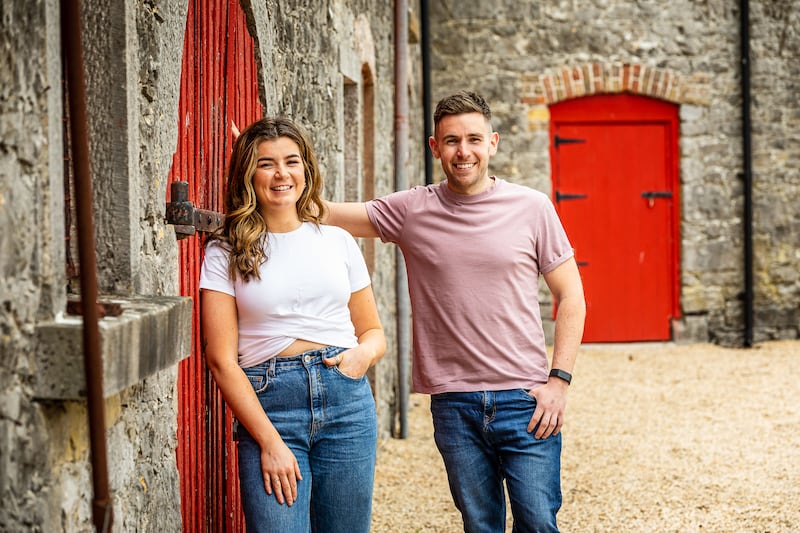 Siblings Niamh and Ruairí Dooley established food start-up BiaSol, creating a nutritious supplement from breweries’ waste spent grain. Photograph: Philip Doyle/Irish Farmers Journal
A three-year stint in Vancouver working for a start-up vegan restaurant whetted Niamh Dooley’s appetite for foods made from “upcycled ingredients” that would otherwise have ended up in the waste bin. On her brother Ruairí’s suggestion, while bored at home during the Covid lockdown, the University of Limerick food science graduate started experimenting with her own recipes for nutritious foods made in a sustainable way.
One idea used cricket powder to increase the protein content of snack foods. “My research found that the western world wasn’t quite ready to eat insects,” she says, “so I looked into what was the most wasted product in Ireland that could be rescued for use in food.”
The brewery industry discards thousands of tonnes of spent grain every year – mostly from barley, wheat or rye – after extracting the starch to convert to sugar for alcohol production. It’s a nutrient-rich byproduct, naturally high in fibre and protein.
“The spent grain is the outer layer – or husk – which breweries either gave or sold to farmers for animal feed,” she explains. “When I cold-called 30 breweries, they said no one had ever asked them for spent grain as a food ingredient before.”
Drying and milling the spent grain in her parents’ kitchen, she started adding it to recipes and sending samples to chefs and bakers.
Along with Ruairí, an accountancy and finance graduate, she pitched to the Enterprise Ireland New Frontiers programme and won €50,000 investment for 10 per cent of their business. Ruairí returned from working in Australia and the siblings jointly set up their first food premises in Ferbane, Co Offaly. Two years later they moved to a larger production facility in Tullamore, from where they now dispatch their range of BiaSol flavoured bars, granola and DIY mixes for scones, protein pancakes, brownies and cookies to retailers and cafes in Ireland, the UK and the United Arab Emirates.
Tesco recently launched a spent grain loaf, co-branded with BiaSol and O’Hara brewery which supplies the grain.
Ruairí says finding private investors to believe in their mission to scale up was the most challenging part of starting a new business.
“When Niamh and I started BiaSol, we had no experience in food manufacturing, no network, no insider knowledge. We had a mission to show that food waste could be upcycled into ingredients that people would actually want to eat.”
[ Manufacturing & Design: How spent grains fuel green shoots for circular economyOpens in new window ]
Niamh’s focus was on getting the flavour and nutrition right. “We had to educate people that this ingredient is good for you. When brewers take out the starch, there is 40 per cent fibre and 20 per cent protein left in the husk. We only use four or five plant-based ingredients in our bars and granola.” Both their chocolate brownie and apple and cinnamon oat bites have won Great Taste awards.
Niamh and Ruairí have since set up the Circular Food Company to advise large food manufacturers on ways to upcycle byproducts and waste food. One project involved “rescuing” waste bread from bakeries to convert into sourdough crumb for sale to Irish meat processors.
Their next big project is a cocoa powder substitute. “Due to climate-related issues, there has been low global availability of cocoa and the price has gone up,” Ruairí says. “Our ingredient made from spent grain from O’Hara stout has a deep colour and rich flavour, and could be used as a cocoa substitute for muffins and cakes.”
Angie NagleBladeBridge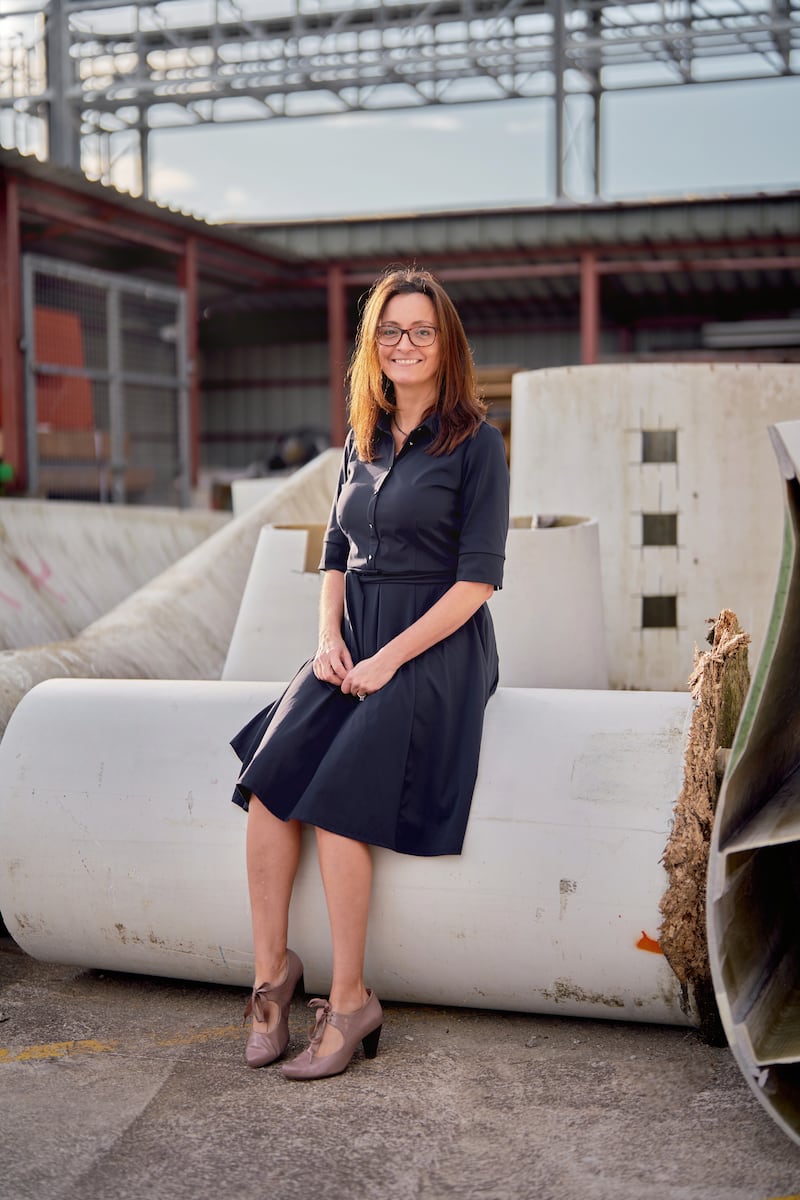 Angie Nagle from BladeBridge, which repurposes decommissioned wind turbine blades to make street furniture and pedestrian bridges. Photograph: Louis Tang/NoirXTone
Wind turbine blades have a maximum lifespan of around 25 years. An estimated 2,000 wind turbine blades will be decommissioned in Ireland in the next 10 years, and Angie Nagle is keen to get her hands on some of them. Her business, BladeBridge, transforms these blades from wind farms into street furniture.
Although a small start-up with just two employees and a design consultant (Simon Dennehy from Perch design) on contract, BladeBridge has created some impressive pieces, including a bench with integrated bicycle parking and picnic tables on the Achill Greenway, e-bike charging hubs for the ESB, and a greenway bridge over the Dungourney river on the Midleton to Youghal Greenway (the company estimates that 80 per cent of the virgin steel in pedestrian bridges could be replaced with repurposed blades). They have also made tables and seating for several shopping centres around Dublin. Each piece is designed for disassembly so the materials can be reused.
Nagle, a qualified and experienced engineer, took a different career direction on maternity leave when she set up Baby Markets, pop-up fairs for parents to buy and sell baby products. She left that in 2018 to do a PhD exploring business models for repurposing wind turbine blades.
“I was never a super skilled engineer, so now as chief executive of BladeBridge, I love my overarching role working with customers, designers and engineers. It’s really hard work, but it’s creative and I can work around family demands,” she says.
The company is supported by the Re-Wind network of researchers across five universities – University College Cork, Munster Technological University, Queen’s University in Belfast, Georgia Tech, and the City University of New York – established to come up with solutions for old wind turbine blades, which are ordinarily sent to landfill or incinerated, causing a significant environmental challenge.
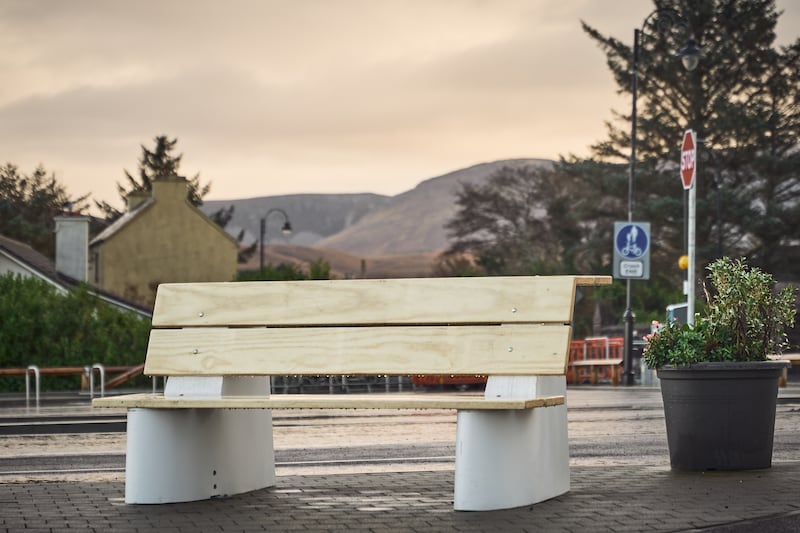 BladeBridge street furniture, made from decommissioned wind turbine blades
“I’m a great believer in one person’s trash is another person’s treasure. And I love finding new uses for things,” says Nagle, whose husband runs local repair cafes in Cork.
Nagle’s next steps include looking to markets overseas – Scotland, England and other European countries. In the future, she would like to inspire local wood and steel fabricators to develop products from wind turbine blades close to local wind farms as they decommission them. “I’d like to have a pop-up re-manufacturing line in a shipping container where blades could be turned into products for use locally,” she says.
Michael WyldeRezero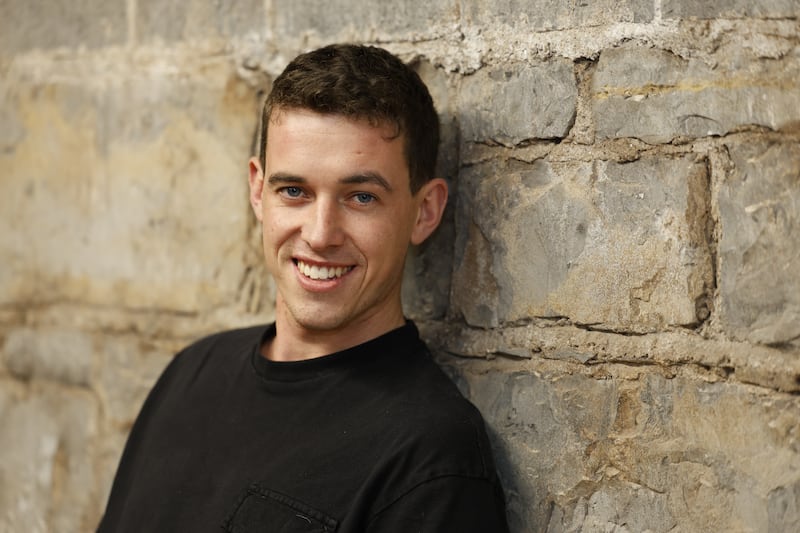 Michael Wylde, chief executive of Rezero, which recycles unopened cigarette filters into sustainable alternatives that include buttons, insulation fibre and luxury eyewear frames. Photograph: Nick Bradshaw
When UCD economics student Michael Wylde realised that cigarette filters were made from the same material luxury glasses frames were made from, he knew he was on to something.
More than 100 million cigarettes are seized by Irish customs every year, amounting to around 30 billion throughout Europe. Rezero is the only company collecting these clean, unused cigarette filters for reuse from European customs officials.
“Since 2022, we have recycled over 220 million filters that would otherwise have been sent for incineration,” explains Wylde. Once the raw cellulose acetate is extracted from the filters, Rezero converts it into pellets for use in buttons, glasses and, more recently, acoustic panels to absorb sound in offices and homes.
The company – which Wylde cofounded with Jack Hartnett, a recycling engineer, after they graduated from Trinity College – supplies materials to glasses and button manufacturers in northern Italy. The company is preparing to launch Grian, its own-brand eyewear collection made from Rezero pellets, in the coming months.
Discovering that large fashion brands were slow to work with a new supplier, and that their environmental story wasn’t enough in itself to entice fashion brands, were hard lessons to learn. “We painfully overlooked how reluctant to change big companies were,” Wylde says.
He firmly believes that the climate benefits of using upcycled materials instead of virgin fossil fuel materials need to be highlighted again and again. “The quality of our materials is on par with virgin materials, but until our story is valued, we won’t get a premium for our products,” he says.
The company has been supported by Enterprise Ireland and the Department of the Environment through the Circular Economy Innovation Grant scheme, and mentoring from Neil Skeffington, founder of Novelplast, a company that recycles PET plastic into pellets for recycled plastic bottles.
Mary O’RiordanHaPPE Earth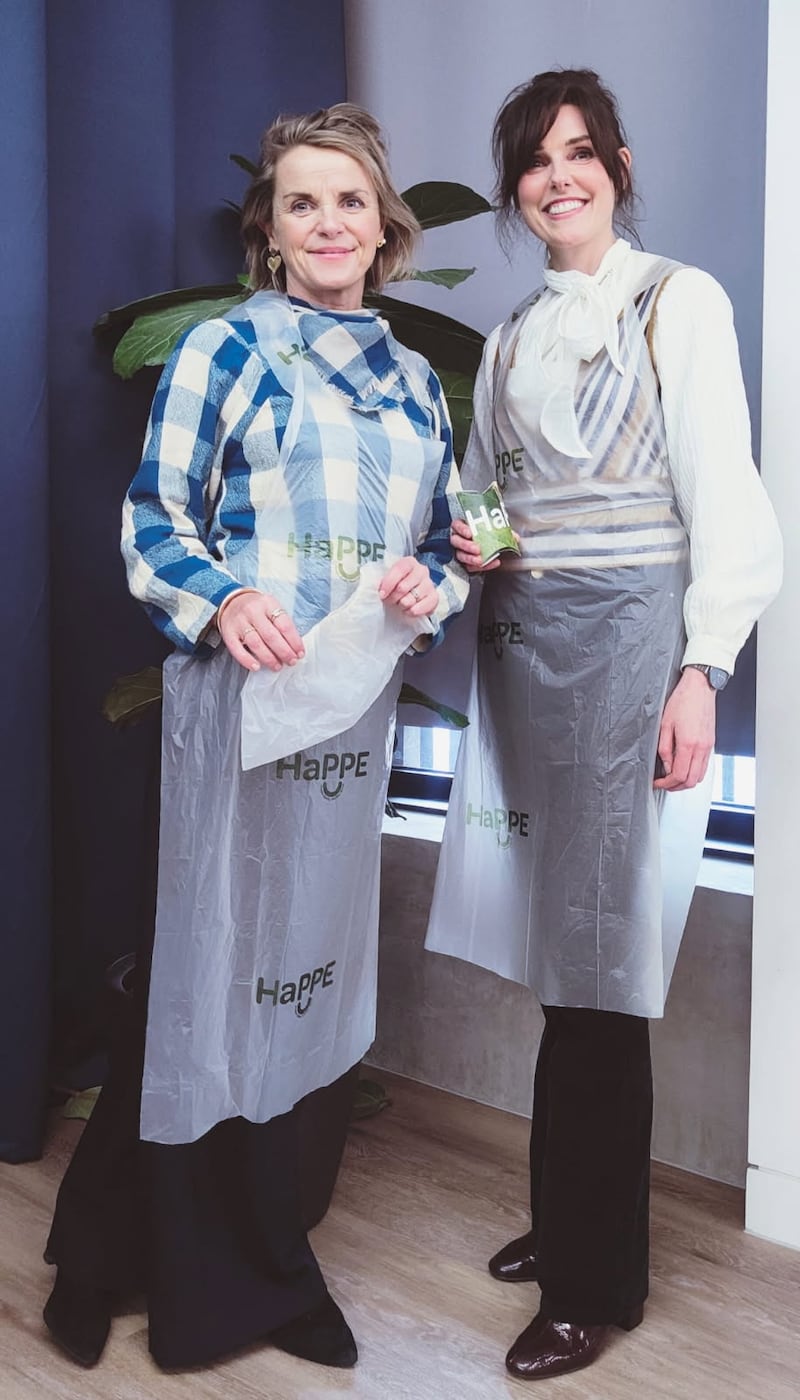 HaPPE Earth cofounders, cousins Lisa O’Riordan and Mary O’Riordan, who developed CE-approved splash aprons made from bio resin
The huge upsurge in consumption of single-use plastic in healthcare during the Covid pandemic got Mary O’Riordan and her cousin Lisa O’Riordan thinking about how they could help the healthcare industry transition to medically approved compostable alternatives.
As a public health doctor working in the control of infectious diseases, O’Riordan was acutely aware of how a healthy planet and healthy humans go hand in hand. “Environmental disruption causes a rise in infectious diseases,” she says. “We felt that there must be ways to stop using something as environmentally detrimental as single-use plastics.”
In 2022, O’Riordan gave up her job, sold her flat in Dublin and moved back to her home city of Cork to cofound HaPPE Earth with her brother David and cousin Lisa.
Within three months, along with researchers at University College Cork, they had developed CE-approved splash aprons made from bio resin.
“Health Innovation Hub Ireland helped us get them into hospitals,” says O’Riordan.
The next step was to develop on-site biodigesters – machines that use enzymes, heat, UV sterilisation and mechanical shredding to turn these used aprons (together with hospital food waste) into a soil enhancer for the horticulture industry.
Working with Harp Renewables, a company based in Co Meath specialising in sustainable waste treatment solutions, HaPPE Earth now manages on-site biodigesters for hospitals and other facilities to make nitrogen-rich fertiliser.
HaPPE Earth’s products are a global first in healthcare, which generates almost five per cent of all plastic waste. Now setting their sights on food, pharma and the construction industry, HaPPE Earth is developing prototypes of compostable hairnets, shoe covers and beard nets – all sterile equipment used for short periods of time and then discarded.
O’Riordan says that when people listen with their hearts, they value the work of HaPPE Earth, “but it can be difficult when you are competing with cheap plastic items where the environmental consequences and waste costs aren’t factored into the price”.
She says large companies need incentives to help them engage with start-ups and innovators like HaPPE Earth. “It’s about helping people understand that small changes in industry can provide sustainable solutions to the overuse of throwaway consumable items.”