
The country’s primary schoolteachers are set to be balloted on industrial action if there is no progress on Government delivery of money due since last September under the terms of the public sector pay agreement.
The 900 delegates at the Irish National Teachers’ Organisation (INTO) voted overwhelmingly on Monday evening to support a motion that calls on the union to conduct a nationwide vote if the issue relating to local bargaining funds is not resolved by the end of this month. Proposing the motion, Shane Loftus from the union’s Dublin North West branch said the members “should not be disrespected like this” and that “a nine-month delay is too long”.
Dubliner Eimear Donaghy said the delay compounded the sense that the union had been badly let down by the Government since the public sector pay deal was agreed two years ago. “A 1 per cent pay increase here and 2 per cent there might seem small, but in the middle of a cost-of-living crisis, every one is vital to teachers.”
She said about €18 million was now overdue under the terms of the deal, with the amount constantly increasing.
Another delegate, Deirdre Cronin, said that when “the Government wants to introduce a pension levy or a universal social charge, there is absolutely no delay”.
After the motion was passed, INTO general secretary John Boyle said the issue was compounding dissatisfaction within the union over the terms of the wider public sector agreement. That agreement provides for two increases of 1 per cent during the first half of this year, although inflation is now almost twice that.
“Inflation is currently running at 3.6 per cent,” said Boyle. “Yet teachers are still waiting on the allocation of the funding agreed for local bargaining.” The union has proposed that the money would be used to restore 12 allowances, including one payable to those who work in remote areas or have higher qualifications.
“This money belongs to our members who are struggling to make ends meet following an anti-worker budget that substantially reduced their purchasing power after tax bands and allowances weren’t indexed and cost-of-living measures like energy credits were withdrawn.
“Teachers and fellow workers have been treated very shabbily.”
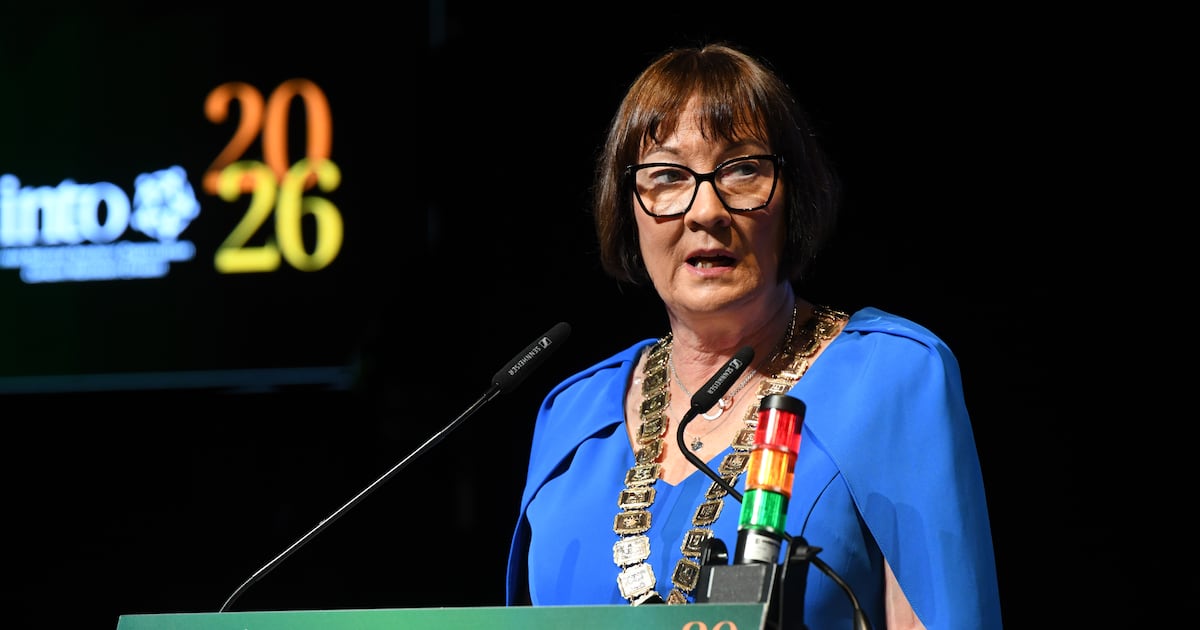
Earlier, union president Ann Horan described the failure to pay the money as a “massive breach of faith” by the Government.
It would, she said, only add to the pressure to seek substantial increases when it comes to negotiating a new public sector pay deal, a process due to get under way in the coming months.
Irish Congress of Trade Unions president Phil Ní Sheaghdha echoed that sentiment. She suggested tax bands should be amended to give lower- and middle-income earners who have been hit by the recent increase in inflation help with their bills.
She said the unions have called for a meeting of the Labour Employer Economic Forum, which they expect to take place on Friday week, when, she said, they will tell employers and Ministers of the need to do more for workers suffering in the cost of living crisis.
“We believe there is some tweaking of the bands that can happen. Workers are asking why they are being taxed at the rate they are when they see the changes that can be made in other areas, like the VAT on hospitality reducing to 9 per cent,” she said.