
Seán Lemass: The Lost Memoir
Author: Seán Lemass, edited by Ronan McGreevy
ISBN-13: 978-1804443903
Publisher: Eriu
Guideline Price: £22
Seán Lemass is often called “the father of modern Ireland”. Strangely enough, however, the now almost universally revered taoiseach claimed not to care what his offspring would think of him.
“The historians have no interest for me,” Lemass declared during one of his frank, expansive and consistently revealing post-retirement interviews with businessman Dermot Ryan. “In 50 or 100 years’ time they will be judging the events of this period with completely wrong standards.”
For once, Lemass’s typically blunt assessment should not be taken at face value. Shortly after leaving the taoiseach’s office in 1966, he agreed to Ryan’s request for a lengthy series of conversations about his life and times. Clearly, this gruff and reticent character must have seen at least some merit in having his views recorded for posterity.
The famously efficient Lemass would certainly be aggrieved to know his memoir is more than half a century behind schedule. Ryan’s project resulted in 22 hours of audio, but he postponed plans for a book and documentary following the collapse of his tourism company.
The tapes were eventually handed over to Lemass’s family, who donated them to UCD and allowed extracts to be printed by this newspaper in 2018. Now Ronan McGreevy has given Ryan’s precious archive the treatment it deserves, skilfully editing a 273,000-word transcript into themed chapters with plenty of commentary and biographical information to plug the gaps.
All this context is sorely needed, since Ryan was not exactly trying to put Lemass on the psychiatrist’s couch. There are no questions about young Seán’s inner-city childhood, the accident in which he fatally shot his infant brother Herbert or how another sibling and fellow anti-Treaty IRA man, Noel, was tortured and murdered by Free State forces in the Dublin Mountains.
Once asked by a journalist to describe his role in Ireland’s revolutionary period, Lemass (who may well have killed a British agent in bed on Bloody Sunday), teared up and replied, “Terrible things were done by both sides … I’d prefer not to talk about it.” He presumably told Ryan something similar, since these interviews only begin with his election to Sinn Féin’s ruling body after the Civil War. Apart from a few personal reflections on being a workaholic or enjoying a flutter, he largely remains in his comfort zone of politics, economics and the mechanics of running a government.
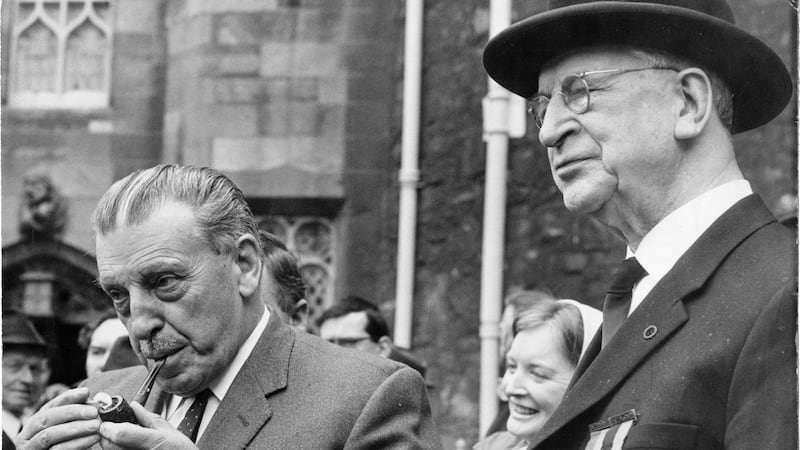 Seán Lemass (left) with Éamon de Valera. Photograph: Paddy Whelan
Even so, the academics who Lemass disdained so much will find rich pickings here. Despite publicly dubbing Fianna Fáil “a slightly constitutional party”, he forcefully explains why Éamon de Valera’s new movement gave him a chance to swap rigid ideology for practical power.
Lemass makes no apology for the protectionist policies that defined his several tenures as minister for industry and commerce, arguing “the primary reason was to get Irish people interested in the idea of investing”. Nicknamed “Half-ounce Lemass” throughout the Emergency due to his strict rationing of tea, he recounts how Britain “double-crossed us completely” by reneging on a promise about imports.
Although Lemass insists he never actually wanted to be taoiseach, his testimonies give the strong impression of someone who loved taking bold decisions. He links his conversion to a foreign direct investment model with Ireland’s need to abandon self-pity, boasting that the groundbreaking Programmes for Economic Expansion dispelled a national “air of deep despondency”. “We seem to be back to square one,” he laments after detailing his historic meetings with Northern Ireland’s prime minister Terence O’Neill, little knowing the Troubles would soon explode.
Lemass sounds more prescient when criticising Britain’s “half in, half out” attitude to the Common Market, recalling how he had to be “tough as hell” in negotiating a trade agreement with Harold Wilson. Enthusiastic comments about Aer Lingus, free second-level education and European unity bolster his image as a visionary, although a suspicion of “the leftists in RTÉ” confirms in many ways he remained an authoritarian conservative.
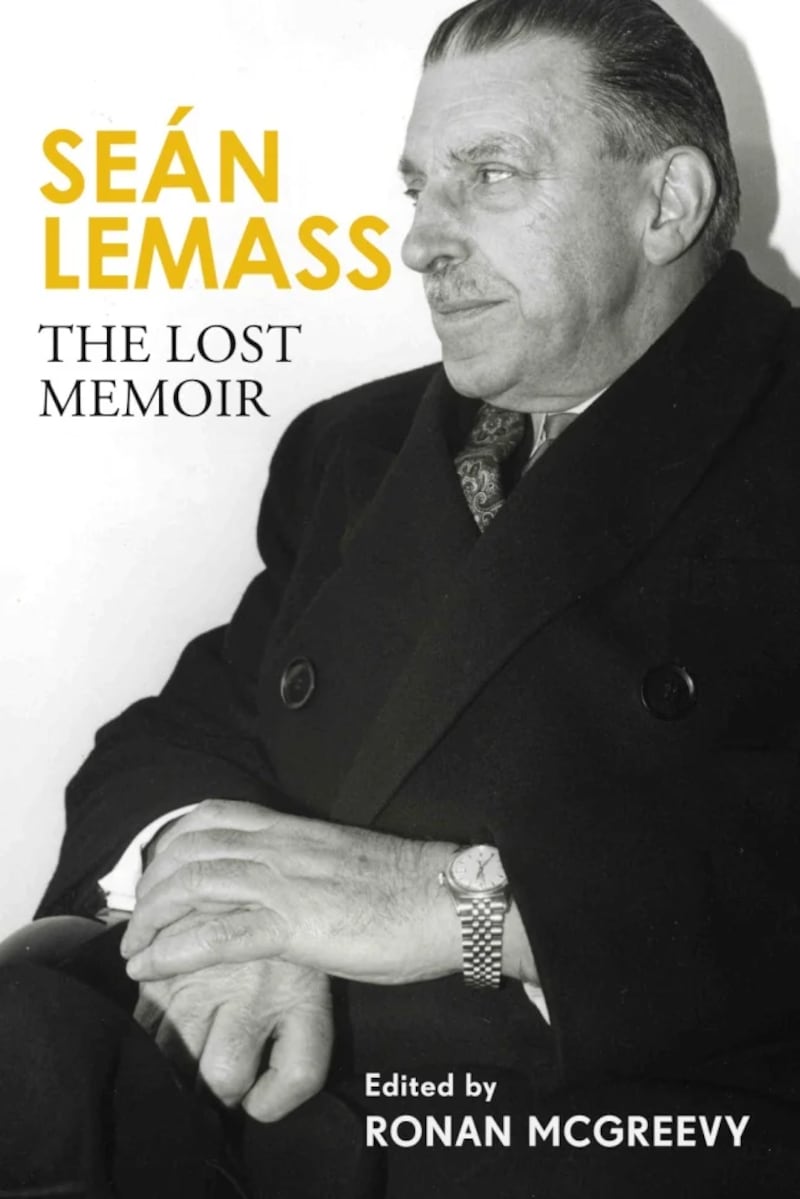 Seán Lemass’s memoir, edited by Ronan McGreevy, has just been published
If Lemass’s language can occasionally be a little bland, his verdicts on Dáil colleagues are anything but. “A queer sort of crank,” is his scornful dismissal of the maverick socialist Noël Browne. While paying tribute to his mentor’s “real political genius”, he also complains that by the late 1940s, “[De Valera] never asked you why you did anything; new ideas did not come from him at all.”
Turning to his successor, Lemass coolly observes that Jack Lynch is “not penetrating enough … [he inspires] trust rather than admiration”. As for his ambitious son-in-law, he optimistically sees Charles Haughey “reproducing my life all over again in himself”, but notes with considerable understatement that “he does much more in the way of social entertaining than I ever did”.
Lemass took a perverse pleasure in telling friends how his daughter Sheila was asked by a teacher to give her father a message and protested, “I don’t know him well enough.” Anyone who reads this landmark publication will put it down feeling they know the father of modern Ireland significantly better.