
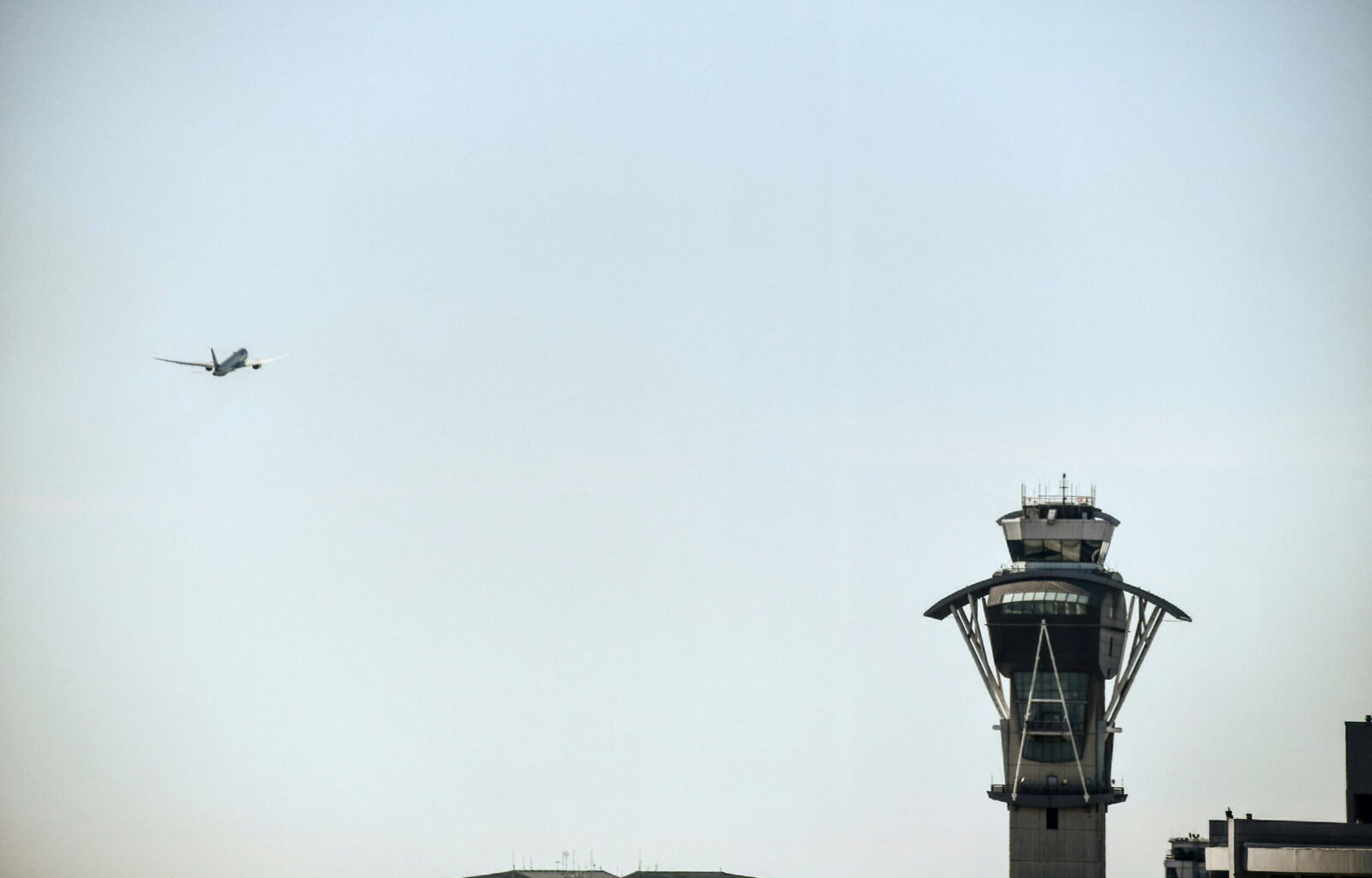
Indefinite strike threatens flights and causes widespread airport disruption.
Photo Credit: Beckett P / Unsplash
Starting right at midnight on Friday, April 17, air traffic controllers in SAERCO-managed towers in Spain have announced an indefinite strike, raising the risk of disruption in 14 airports across the country. The strike, which was advised by the Union of Air Traffic Controllers (USCA) and Workers’ Commissions (CCOO), stems from long-standing administrative issues, including staff shortages, work overload and irregular schedules.
Unions claim difficult working conditions: Last-minute changes, on-call shifts, and disregarding mandatory holidays
The unions claim that the working conditions for the air traffic controllers at the towers causes accumulated fatigue and stress, which in turn affects their ability to operate effectively. USCA and CCOO state that the conflict has been built up over several years, describing an improvisational method of organising the staff and their workloads. The unions also claim that these conditions undermine work-life balance and create an atmosphere of instability for the workers.
According to the groups, cancellation of previously approved leave, extensive use of on-call shifts and last-minute schedule changes have become normal occurrences rather than exceptional incidences. Additionally, the unions report a lack of clarity regarding mandatory rest periods and inconsistent planning.
Most Read on Euro Weekly News
The announced strike immediately follows a weekend of Easter air travel chaos, in which thousands of suitcases were left stranded due to strikes.
Meetings to resolve issues have been postponed or cancelled
Officials have been alerted to the strikes after failed attempts to resume negotiations. Unions claim that scheduled meetings with bosses were repeatedly postponed or cancelled.
The unions’ demands include increasing the staff, an end to on-call shifts and last-minute changes, a guarantee of mandatory holidays, and working conditions compatible with operational safety and professional dignity.
Which airports are affected?
The strike will affect airports that have SAERCO-managed towers. The following airports may experience delays due to the strike:
Lanzarote, Canary Islands
Fuerteventura, Canary Islands
La Palma, Canary Islands
El Hierro, Canary Islands
La Gomera, Canary Islands
Sevilla, Andalucia
Jerez (Cadiz), Andalucia
Cuatro Vientos, Madrid
Vigo, Galicia
A Coruña
Castellón-Costa Azahar, Valencia
Burgos
Huesca
Ciudad Real
What does this mean for travellers?
Air traffic controller strikes have the potential to be the most disruptive type of airline strike, since it affects all airlines in the airport. For travellers, this strike means that fewer flights will be able to operate in the affected airports.
Additionally, the strike could cause major delays, with late arrivals meaning flights are pushed further and further back. Airline schedules could potentially be reshuffled, and since air traffic control strikes are considered “extraordinary circumstances,” airlines may not owe passengers compensation for delays and cancellations (though they must still offer refunds or rebookings).
Finally, the indefinite nature of the strike could mean short-term, or long-term instability for travellers, and it may take some time before the unions can reach an agreement with administrative officials.
How should travellers prepare?
During an air traffic controller strike, it is advised that travellers follow these rules:
Check flight status regularly, especially one to two days before the booking
Avoid tight connections (arrive early to the airport)
Consider earlier or later flights in the day
Have a backup plan (including taking a train, a different route, or reserving a flexible booking)
While the strike is ongoing and agreements have yet to be reached, it is imperative that passengers stay informed, plan for delays and uncertain travel conditions, and be prepared.