
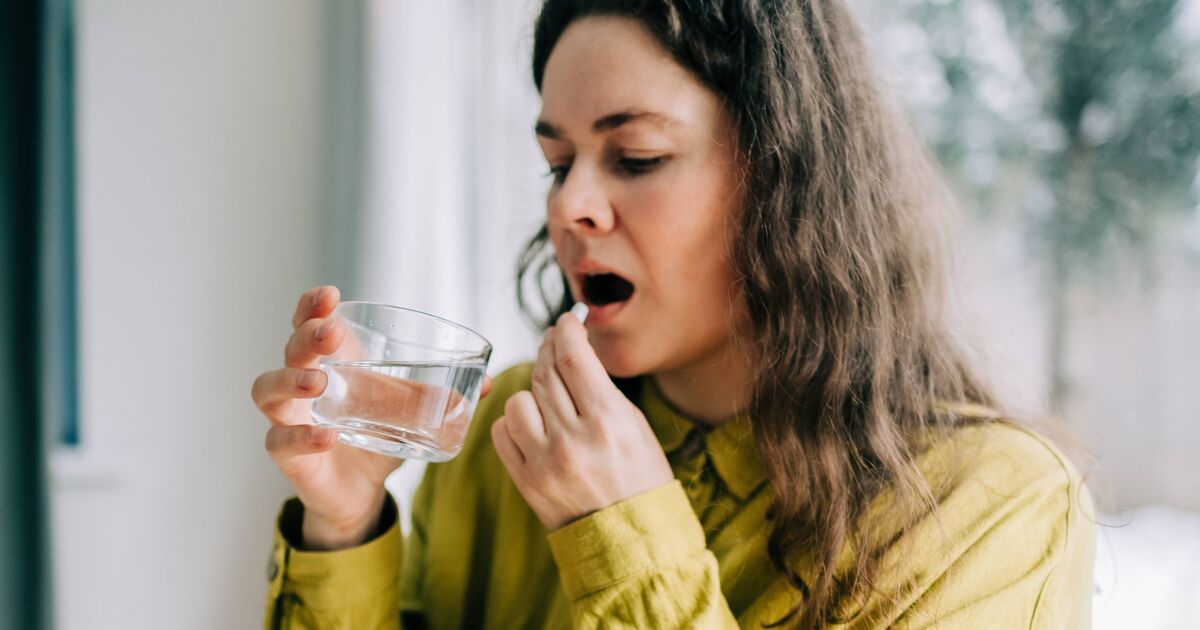

“It is very helpful for a lot of people” (stock image) (Image: Getty) This article contains affiliate links, we will receive a commission on any sales we generate from it. Learn more
A health expert has revealed that an affordable tablet could help alleviate hay fever symptoms, as the Met Office’s ‘Very High’ alert remains in place across vast swathes of England and Wales. Pollen counts are set to remain elevated for many sufferers until the end of the week, meaning millions face the misery of hay fever symptoms.
According to the NHS, hay fever is a widespread allergy that triggers sneezing, coughing and itchy eyes. While there is no cure, there are measures you can take to ease your symptoms, along with medicines that can provide relief.
Symptoms include sneezing, coughing, a runny or blocked nose, itchy, red or watery eyes, itchy throat, mouth, nose and ears, loss of smell, pain around the sides of your head and your forehead, headache and feeling tired. The NHS adds: “Symptoms are usually worse between late March and September, especially when it’s warm, humid and windy.
“Hay fever can last for weeks or months, unlike a cold, which usually goes away after one to two weeks.” To bring relief for sufferers, Dr Ranj Singh highlighted a type of over-the-counter medication that is “very helpful”.
Appearing alongside hosts Helen Skelton and Gethin Jones on a previous edition of BBC‘s Morning Live, Dr Ranj recommended antihistamine medication Fexofenadine as an effective remedy for allergy sufferers, reports the Mirror.
Read more: NHS advises ‘shut windows and doors’ as alert in place for 5 days
Read more: Beer gardens could make common health condition ‘worse’
Discussing the drug, he said: “Fexofenadine is usually available on prescription and now is available over the counter. It is very helpful for a lot of people.” He did, however, urge people to bear in mind that it can only be taken by those aged six and over.
He added: “You can’t drink orange, apple or grapefruit juice while you are taking it because it can increase your risk of side-effects including headaches, drowsiness, dry mouth, nauseous or dizziness. People with certain conditions like liver, kidney or heart problems and epilepsy shouldn’t take it either.”
Fexofenadine is widely available at pharmacies across the country. Boots, for example, is currently stocking its own 30-pack of Fexofenadine Hydrochloride 120mg Film-Coated Tablets for £8.99, working out at just 30p per tablet. The retailer states: “Fexofenadine Tablets start to relieve your symptoms within one hour and lasts for 24 hours.”
The NHS describes fexofenadine as an antihistamine that alleviates allergy symptoms, commonly used to treat hay fever, conjunctivitis, eczema, hives, reactions to insect bites and stings, and certain food allergies.
It further notes: “Fexofenadine is a non-drowsy antihistamine. It’s less likely to make you feel sleepy than some other antihistamines. It’s available on prescription and comes as tablets.
“You can also buy 120mg fexofenadine tablets for adults and children aged 12 years and over from pharmacies and supermarkets. You can buy 180mg tablets for treating hives from pharmacies. Tablets for children under 12 years old are only available with a prescription from a doctor.”
Frequent side effects include headaches, drowsiness, nausea and dizziness. The NHS warns: “Do not drive, cycle or operate tools or machinery if you’re feeling sleepy or dizzy. Do not drink grapefruit juice, apple juice or orange juice while you’re taking fexofenadine as the medicine may not work as well. It’s best not to drink alcohol while you’re taking fexofenadine as it can make you feel sleepy.”