

The Artemis II crew’s 10-day journey around the moon is coming to an end as the team prepares for splashdown in the Pacific Ocean off San Diego
Oliver Radcliffe Live News Reporter and Kirstie McCrum Deputy Head of News, Live News Network
07:40, 10 Apr 2026

The Artemis II crew – (from left) Mission Specialist Christina Koch, Mission Specialist Jeremy Hansen, Pilot Victor Glover, and Commander Reid Wiseman(Image: NASA, NASA via Getty Images)
The Artemis II mission’s 10-day journey around the moon is approaching its conclusion as the crew readies itself for splashdown in the Pacific Ocean.
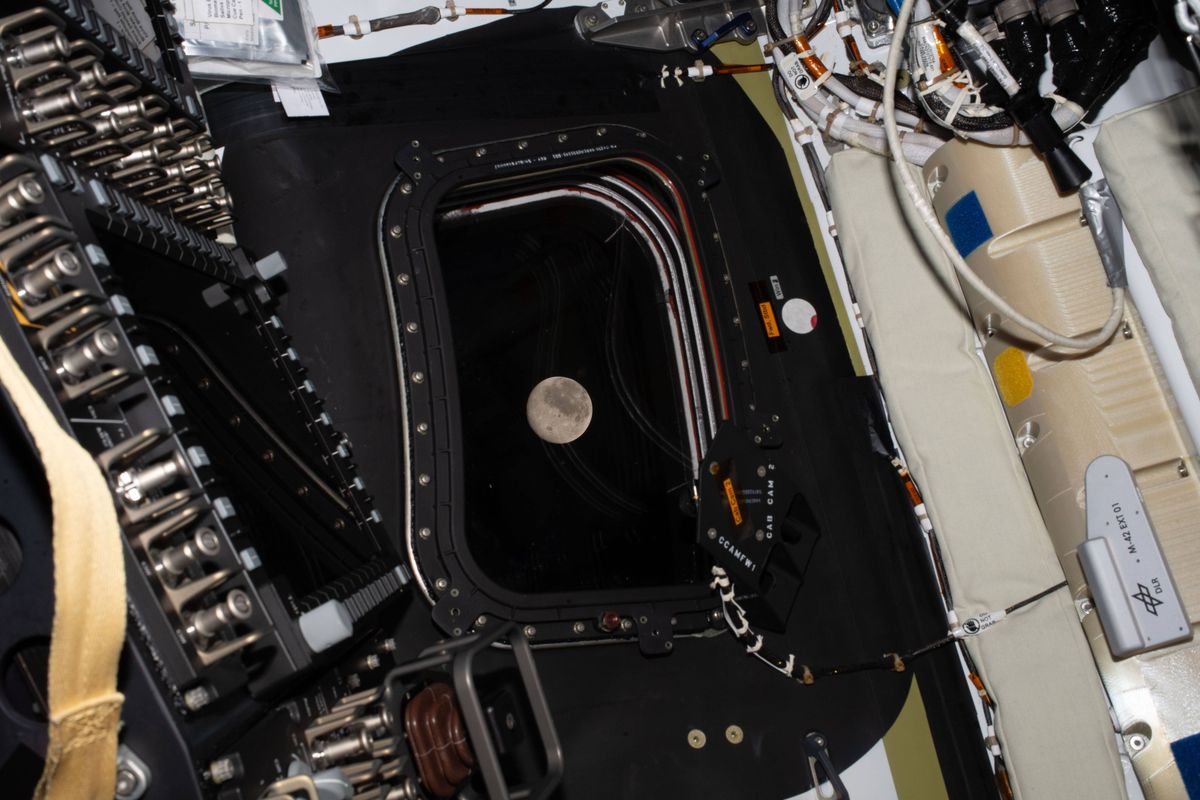
NASA’s expedition represented the first trip to the moon in 54 years after lifting off on April 1, when four astronauts launched from Cape Canaveral on the 685,000-mile voyage. The Orion space capsule transporting them will travel roughly 4,700 miles past the far side of Earth’s natural satellite, setting a new record.
The crew consists of Commander Reid Wiseman, Victor Glover and Christina Koch from NASA, together with Jeremy Hansen of the Canadian Space Agency. While the Artemis II astronauts won’t land on the Moon, the mission establishes the foundation for a future lunar touchdown in the years ahead and has inspired a new generation, reports the Liverpool Echo.
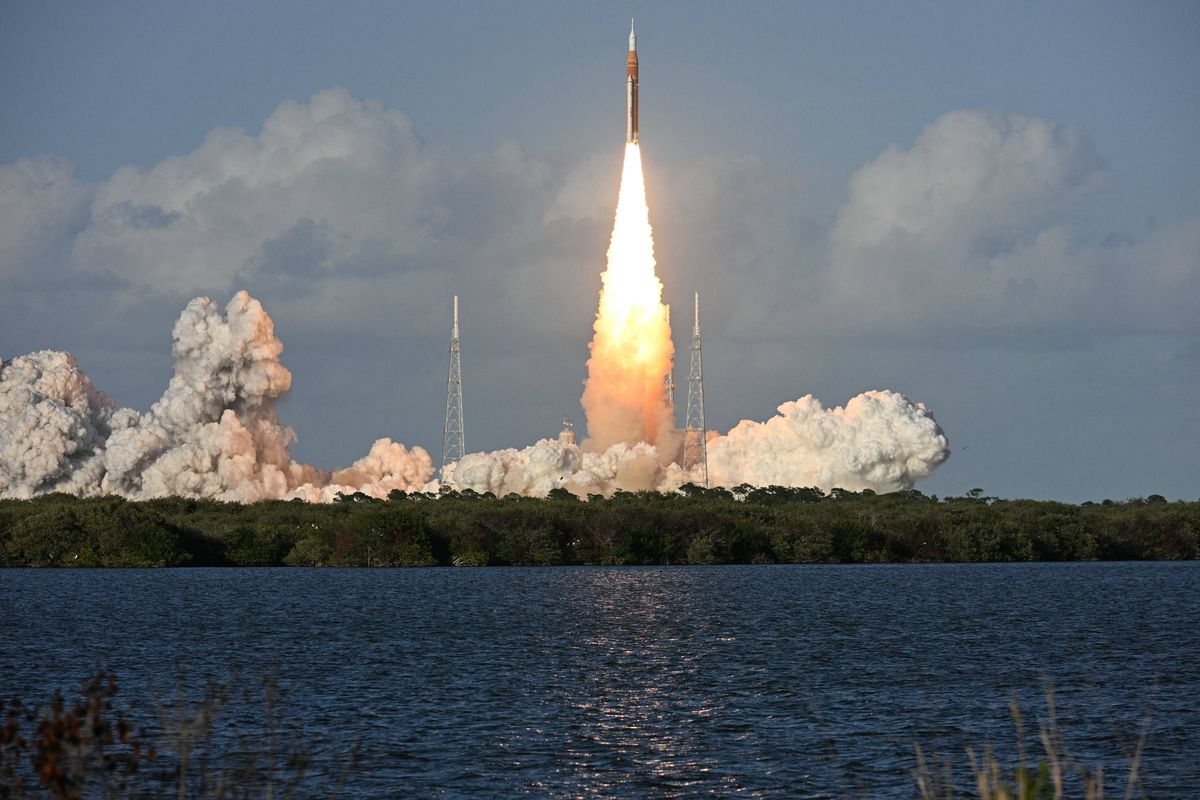
The Artemis 2 team are preparing for the return to Earth on Saturday(Image: JIM WATSON, AFP via Getty Images)
Artemis III will conduct testing in low Earth orbit with the lunar landers presently being developed by SpaceX and Blue Origin. Artemis III will see trials of the SpaceX and Blue Origin lunar landers in low Earth orbit, while mission IV is scheduled for no sooner than 2028 and is intended as a crewed lunar mission.
Two astronauts will descend to the surface and remain for approximately one week near the Moon’s South Pole. Regarding Artemis II, the US Navy is preparing for its landing off the San Diego coast on Friday, April 10 (the early hours of April 11 in Ireland).
A NASA statement revealed: “Following splashdown, recovery teams will retrieve the crew members using helicopters and deliver them to the USS John P. Murtha. Once aboard, the astronauts will undergo post-flight medical evaluations in the ship’s medical bay before traveling back to shore to meet with an aircraft bound for NASA Johnson (Space Center).”
(Image: NASA, NASA via Getty Images)
What time is the Artemis II landing?
Live coverage of the Artemis 2 splashdown will be broadcast on NASA+, with transmission getting under way at 11.30pm Ireland time.
The Artemis mission’s Orion capsule is due to begin its atmospheric re-entry shortly after 0.50am. At this stage, the crew will initiate their re-entry procedures as the craft hurtles towards Earth.
Orion is expected to endure temperatures in excess of 1600C during its descent through the atmosphere, with touchdown forecast for 1.07am Ireland time.
How to watch Artemis II splashdown live
The Artemis 2 splashdown will be available to watch via NASA+’s live stream, with coverage kicking off at 11.30pm Ireland time ahead of the expected splashdown just after 1am BST.