
Australia’s invasive species crisis has been laid bare once again, with another striking example from a single dam showing just how quickly waterways can become choked.
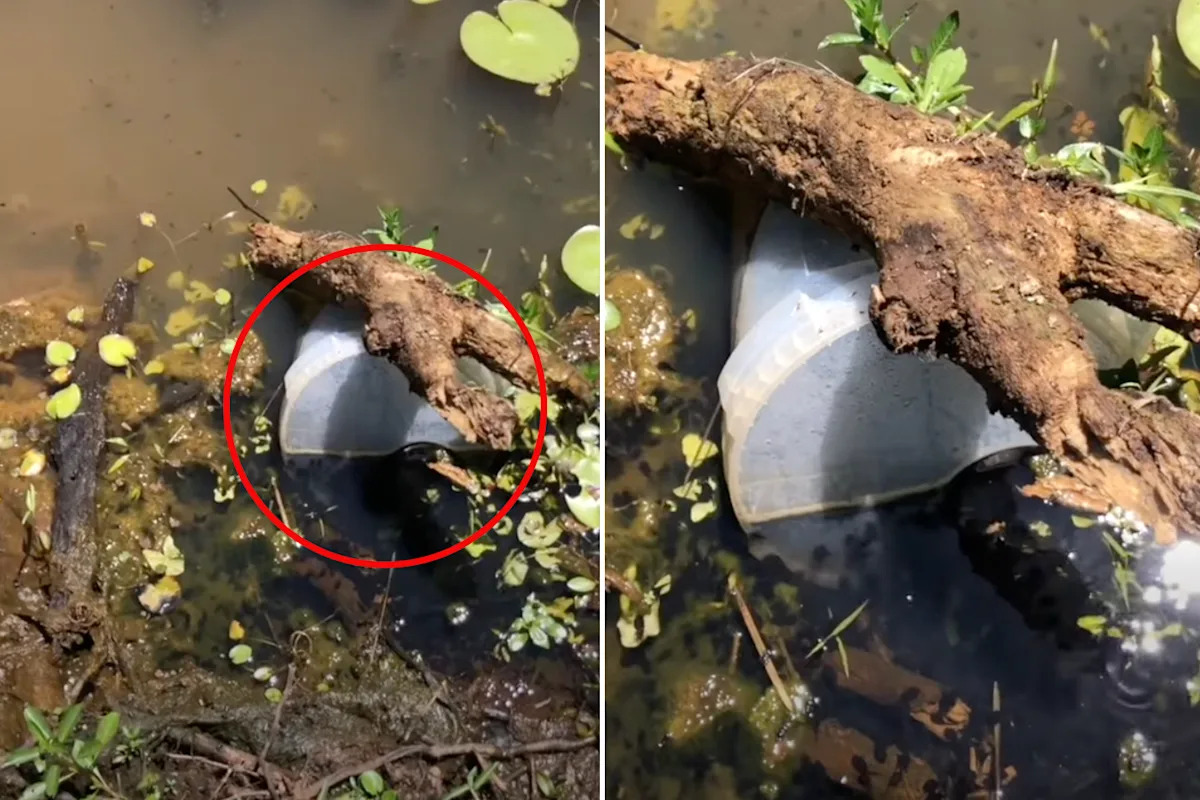
Footage captured from a dam in Terranora, in the NSW Northern Rivers, shows a single trap lured a staggering 19,000 cane toad tadpoles in just a matter of hours last month.
It came only three days after 13,000 tadpoles were removed from the dam, showing how rapidly cane toads can reproduce.
Dedicated conservationist Patrick Brabant, from Tweed Heads, shared the footage with Yahoo News Australia.
“I set the tadpole trap in the afternoon and returned to collect it at 1.30pm the following day,” he said of the haul of 19,000 tadpoles.
“I saw that the trap was full of tens of thousands of cane toad tadpoles. It was completely full to the brim, plus there were thousands more trying to get in.
“But there was no more space for them. After removing the tadpoles from the trap, I placed them into a bag for safe disposal.
“The bag actually started to tear from the weight!”
How to determine cane toad tadpoles from native frogs
Patrick has now removed more than 55,000 cane toads from the environment since December 2109.
“In some areas where I have completed consistent toad control efforts, I have visually seen numbers of native frogs increase,” Patrick said.
Since their introduction to Australia, cane toads have had a widespread and damaging impact on native ecosystems, with native frogs among the most heavily affected species.
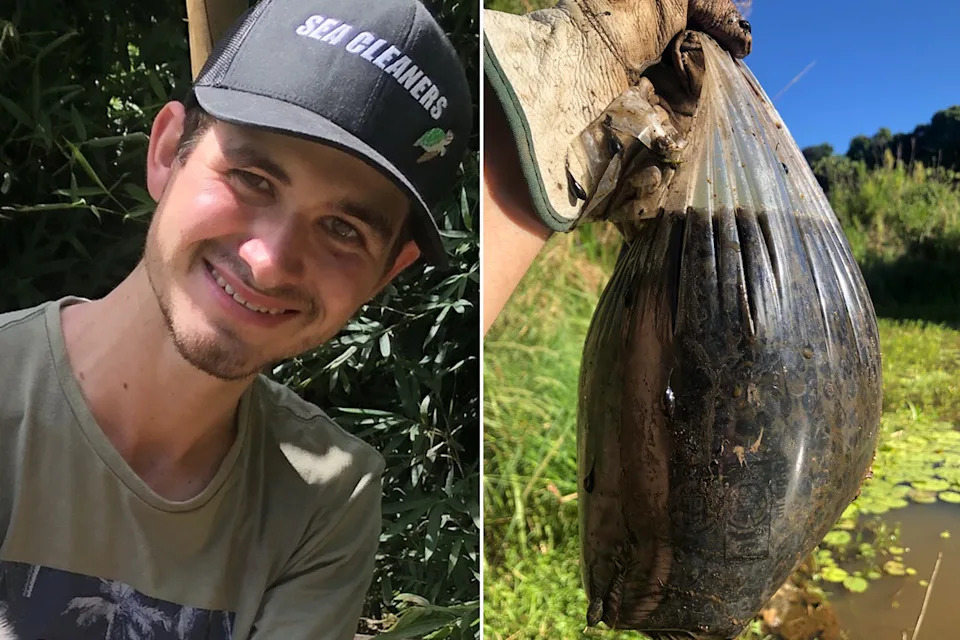
Patrick Brabant laid a cane toad trap in a NSW dam capturing 32,000 toad tadpoles in a few days. Source: Patrick Brabant
They compete with native frogs for food and breeding habitats, disrupting already fragile populations.
Patrick said it is important for people to be able to distinguish between native frog tadpoles and cane toads.
“Cane toad tadpoles are always black, while native frog tadpoles are brown or lighter in colour and can have patterns or spots on them (depending on species),” he said.
“Cane toad tadpoles expose themselves in the open, including during the day. Native frog tadpoles are typically not out in the open and like to hide in vegetation and under rocks and logs.
Patrick said cane toad tadpoles are sometimes in large swarms, but native frog tadpoles are never in large swarms and do not stick around each other to the same extent.
Why are cane toads so destructive, and where are they found?
Cane toads exist in plague proportions throughout Australia, with hundreds of millions now believed to be across the continent.
They suffocate Queensland waterways and have moved into neighbouring states, including the Northern Territory and northern NSW. They’ve also been detected in Western Australia.
Cane toads were introduced to Australia in 1935 after being brought from Hawaii in a failed attempt to control beetles destroying Queensland’s sugar cane crops.
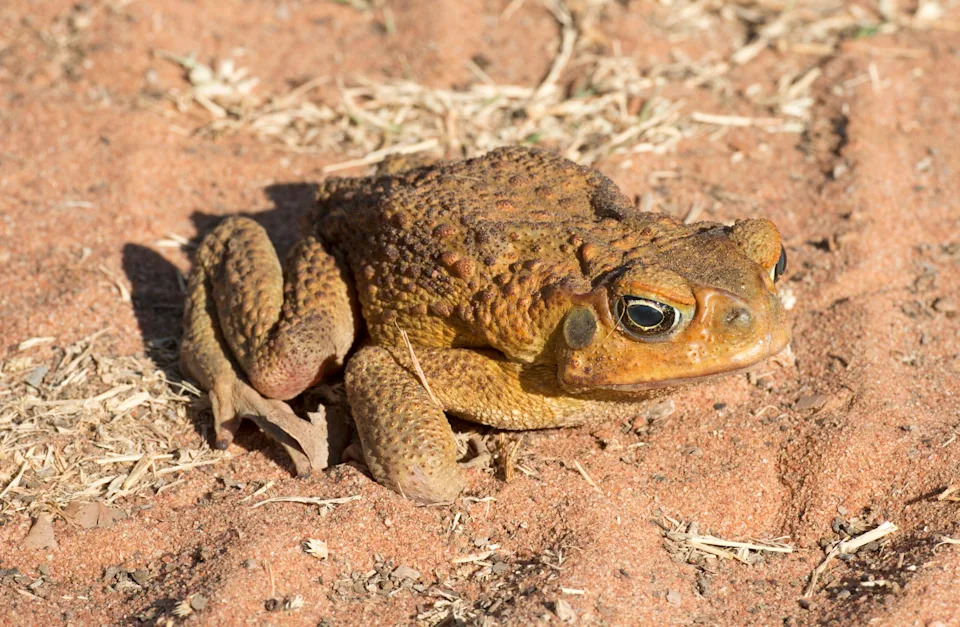
Cane toads are one of Australia’s most destructive invasive species. Source: Getty
(JohnCarnemolla via Getty Images)
About 100 toads were released in north Queensland, despite warnings at the time that the species could become invasive.
The toads proved ineffective against the pests they were meant to stop, but adapted quickly to Australian conditions and began spreading rapidly.
They continue to expand their range westward and southward, aided by their high reproduction rate — a single female can lay up to 30,000 eggs at a time — and their ability to survive in harsh conditions.
Do you have a story tip? Email: newsroomau@yahoonews.com.
You can also follow us on Facebook, Instagram, TikTok, Twitter and YouTube.