
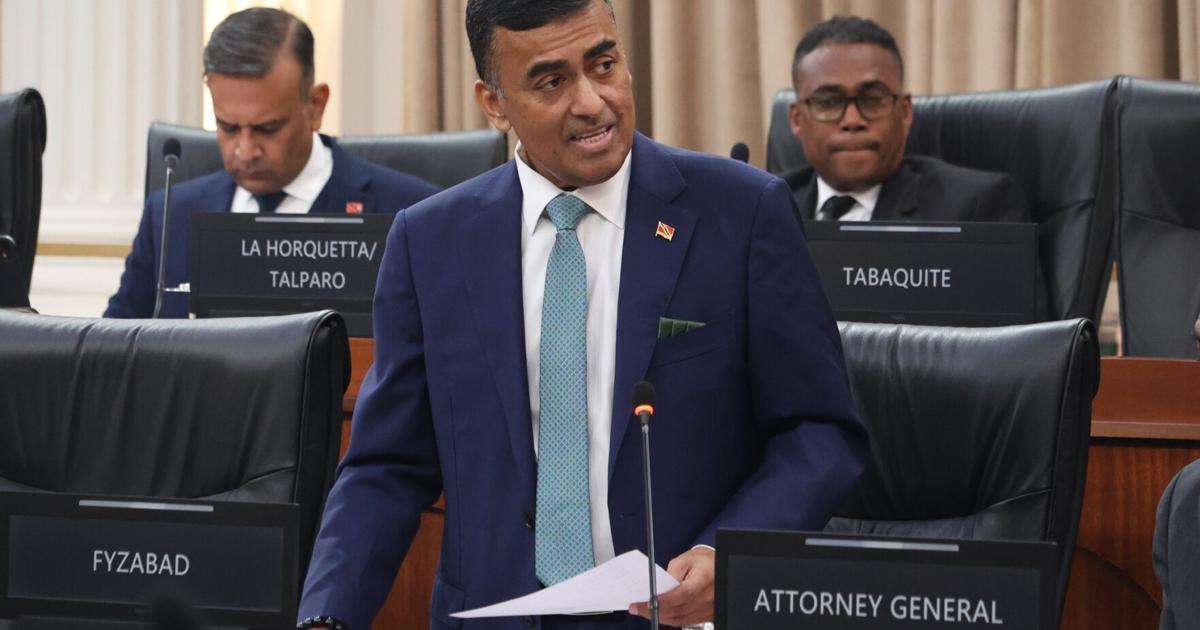
Finance Minister Davendranath Tancoo has said legislation to exempt private pensions from income tax is before the Cabinet.
On October 13, 2025, Tancoo delivered the first national budget of the United National Congress (UNC) Government and announced that, in keeping with the Government’s promise during the 2025 election campaign, “I propose that private pensions be exempted from income tax.”
The minister said then that the measure would take effect on January 1, 2026.
However, Tancoo explained the delay in the measure, noting the provision forms part of the Finance Bill that is currently before the Cabinet.
“The bill has been the subject of several consultations as it crosses several ministries and includes the legal provisions of the fiscal measures contained in budget 2025/2026, including several new measures,” he told the Express on Tuesday.
The minister explained there was a need to collate data and have a verification process.
The tax exemption on private pensions was one element among a sweeping package of pension reforms in the 2025/26 budget, combining immediate tax relief with longer-term changes to safeguard the National Insurance System (NIS).
In the budget speech, the minister had also unveiled a phased increase in the age for receiving a full NIS pension, moving from 60 to 65 beginning in 2028m and reaching the new threshold by 2036. Existing pensioners and anyone retiring before January 1, 2028, will not be affected.
To strengthen the sustainability of the fund, Tancoo further announced a 6% increase in NIS contribution rates, split into two phases: a 3% rise from January 5, 2026; followed by another 3% increase from January 4, 2027.
The minimum monthly NIS pension of $3,000 remains unchanged.
The Finance Minister said the reforms were necessary as benefit payments have outpaced contributions since 2020, forcing the NIB to liquidate assets to meet obligations.
Tancoo said the measures are intended to extend the life of the fund and secure pensions for future retirees.