

The Irish Government has trebled the size of its package of supports in a bid to quell fuel cost protests which saw blockades of critical infrastructure across the country.
The €505m in additional measures follows, and extends, last month’s initial €250m package in response to rising fuel costs.
Excise cuts of 10 cent on petrol and diesel, a delay in a planned increase of a carbon tax until the budget in October, and payments to affected industries – in which most of the protesters worked – were all announced as part of the response to the fuel crisis that emerged as a result of the war in Iran.
Micheál Martin, the Taoiseach, said the Government would undertake a “fundamental security review” after protests which “nearly calamitously endangered oil supply in the country” by blockading critical infrastructure, including Ireland’s only oil refinery.
He said measures will be paid for by the existing national budget surplus, but added that every item of spending would have consequences on Budget 2027.
“That is of concern as we announce these packages, but it has to be balanced with the fact there is undoubted pressure on people,” he added.
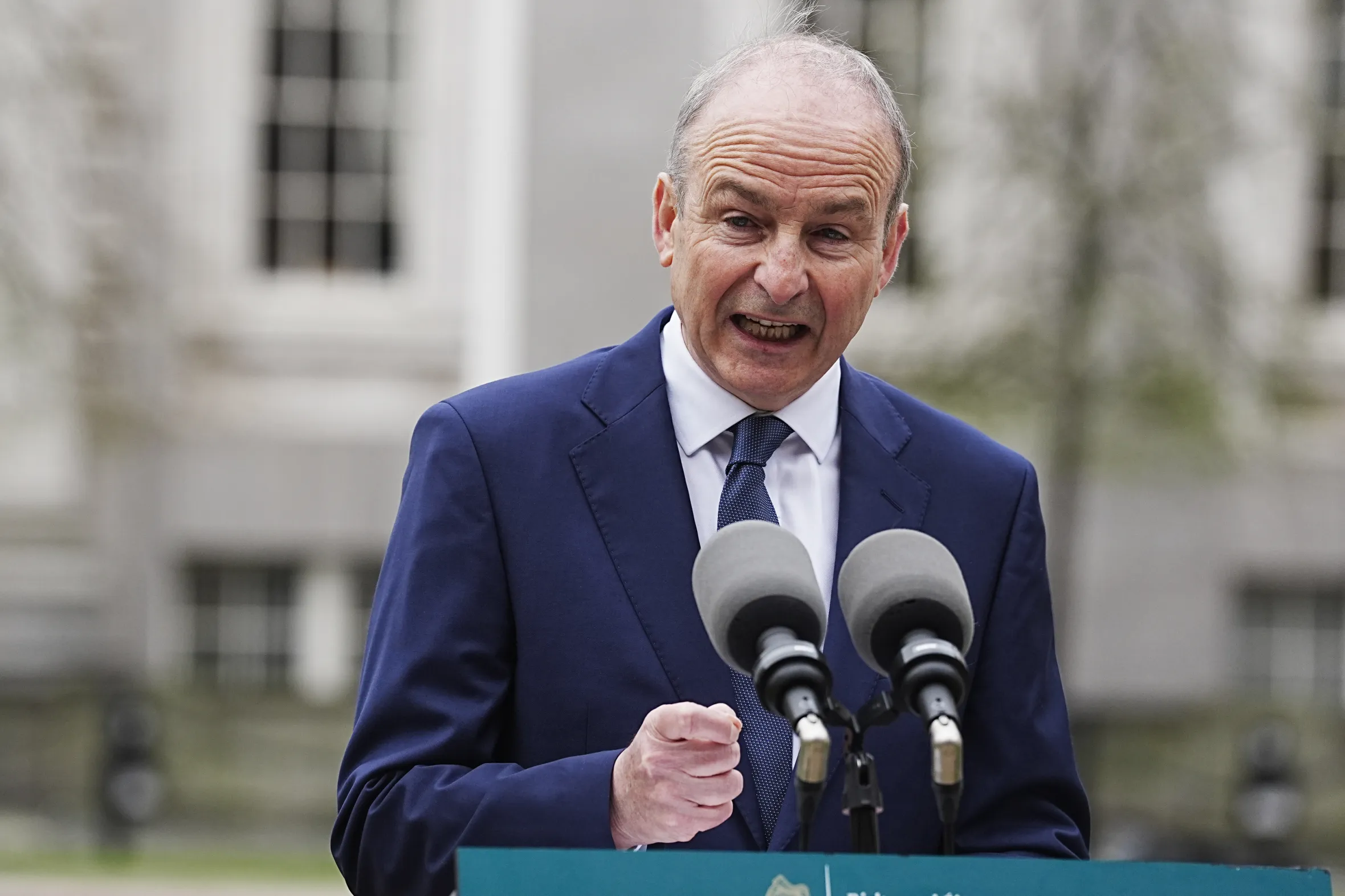 Taoiseach Micheal Martin speaking to the media in The Courtyard at Government Buildings, Dublin ahead of a meeting on fuel prices.Brian Lawless/PA
Earlier, it emerged the country faces up to 10 days of ongoing fuel shortages in some areas in the aftermath of widespread protests and blockades across the country led by independent farmers, hauliers and agricultural contractors which brought much of the country to a standstill for five days.
Kevin McPartlan, CEO of Fuels for Ireland, said the forecourts without fuel will mostly be concentrated on the west coast and south of the country, but efforts to restock were underway.
Blockades at several key areas were cleared on Sunday as the protest campaign against the rising cost of petrol and diesel entered its sixth day.
The Garda Public Order Unit cleared Dublin’s O’Connell Steet at 4am on Sunday morning, while a protest at Galway Port was also dispersed around 8am. Campaigners stood down a blockade at Foynes in Co Limerick at 1pm. The cabinet met on Sunday night, before announcing the new energy support package.
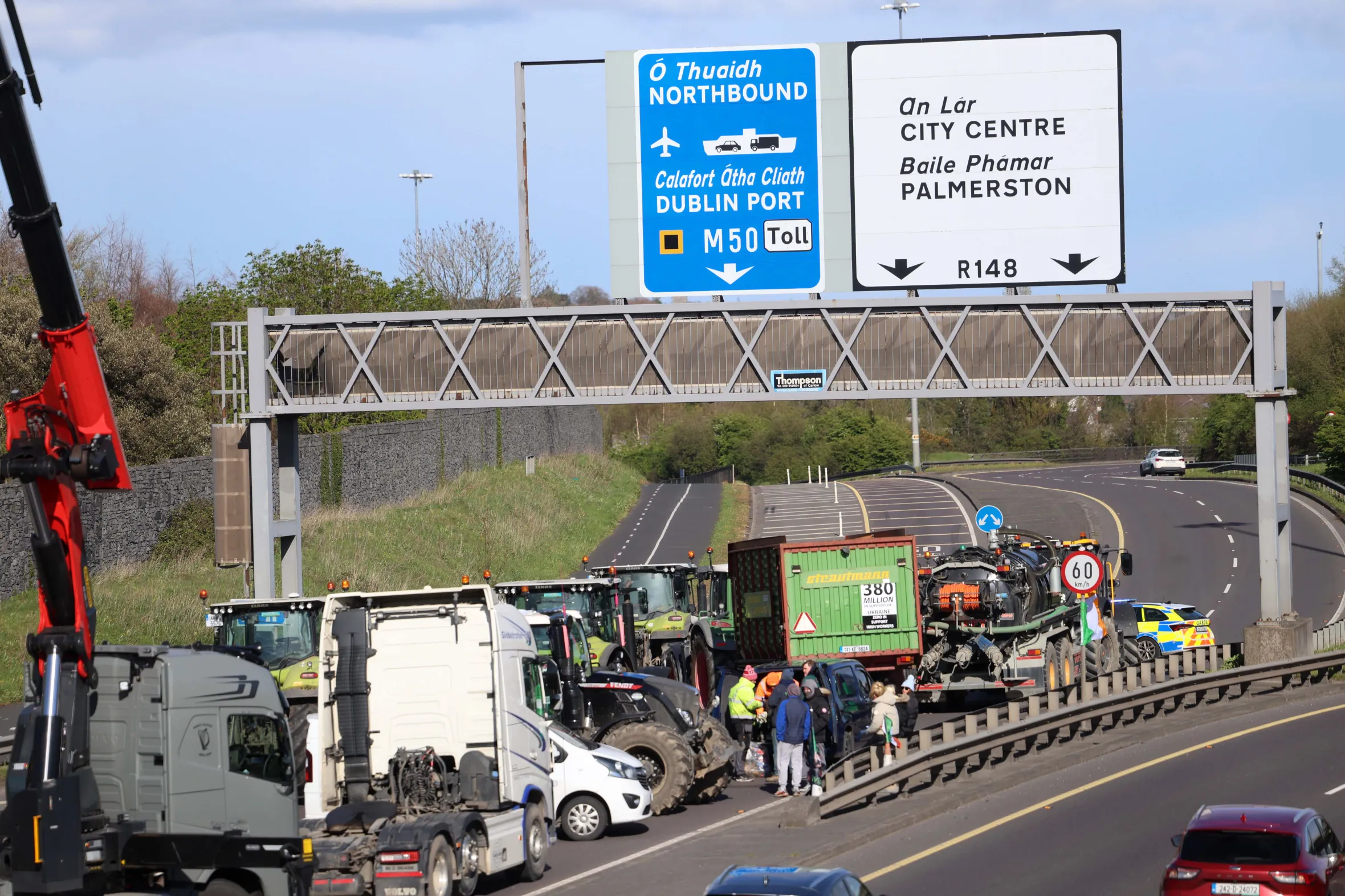 Tractors blocking the road at Junction 7 on the M50 in Dublin on Friday. Photocall Ireland
Simon Harris, the Tanaiste and Finance Minister, said the developments show why the Government runs “an economy that gives us fiscal buffers” and a “surplus”.
Mr Martin denied that the bumper payments to the agricultural and transport sectors showed that the protest worked.
The Taoiseach said the Government had worked with representative bodies, describing the blockaders as “not working in the best interests of the Irish people”.
Harris said “what worked is the engagement” with representative bodies.
McPartlan earlier warned that although every effort is being made to maximise deliveries, the recovery will “happen in stages, not all at once”.
“The priority now is to restore a reliable national distribution as quickly and safely as possible,” he added.
The government is facing intense criticism over its handling of the blockade by a network of farmers, hauliers and contractors, who have caused widespread chaos by blocking off roads and access points to critical infrastructure. Sinn Fein announced on Sunday that it will table a motion of no confidence.
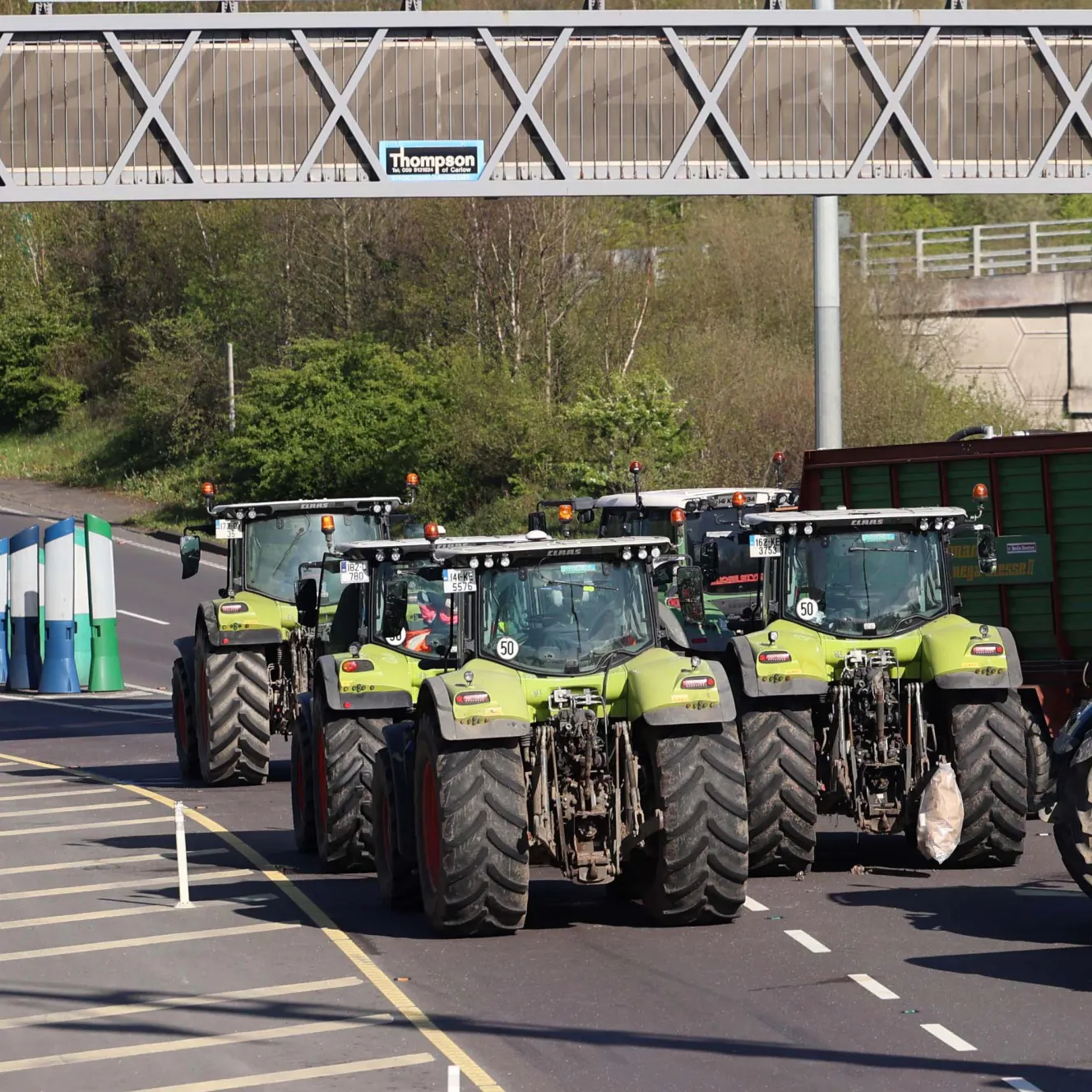 Tractors blocked the road at junction 7 on the M50 in Dublin on SaturdayPhotocall Ireland
Martin and Harris defended the Government’s decision to exclude protesters from talks with established representative organisations.
The protesters began action on Tuesday and the last blockades were not cleared until Sunday.
Martin said Government would review the “latitude” given to protesters in the early stages “in terms of the overall security situation of the state”.
The Taoiseach said nobody had a right to blockade the country, prevent the normal operation of emergency services, delay people going for cancer treatment, or to threaten the jobs and livelihoods of others.
He said the targeting of ports and depots represented a “direct threat to basic supplies” and would have impacted on every business and job in the country if not addressed.
“No-one should deny the fundamental right of freedom of mobility, of people, goods or services,” he said.
“The right to protest is important and critical, but it cannot operate with no limits and without any consideration of its impact on wider society and economy.”
The Defence Forces were called in on Saturday to Whitegate in Co Cork to help gardai break up a blockade of the country’s only oil refinery, and several arrests were made.
Justin Kelly, the garda commissioner, warned on Saturday night that officers would use force “up to the level that’s necessary” in further operations at key sites.
He said he wanted to send a message “that we will not tolerate this any longer”. An “exceptional event” was declared by garda management last Friday, allowing the force to bolster staffing. A water cannon was spotted at Garda HQ in Phoenix Park on Saturday night.
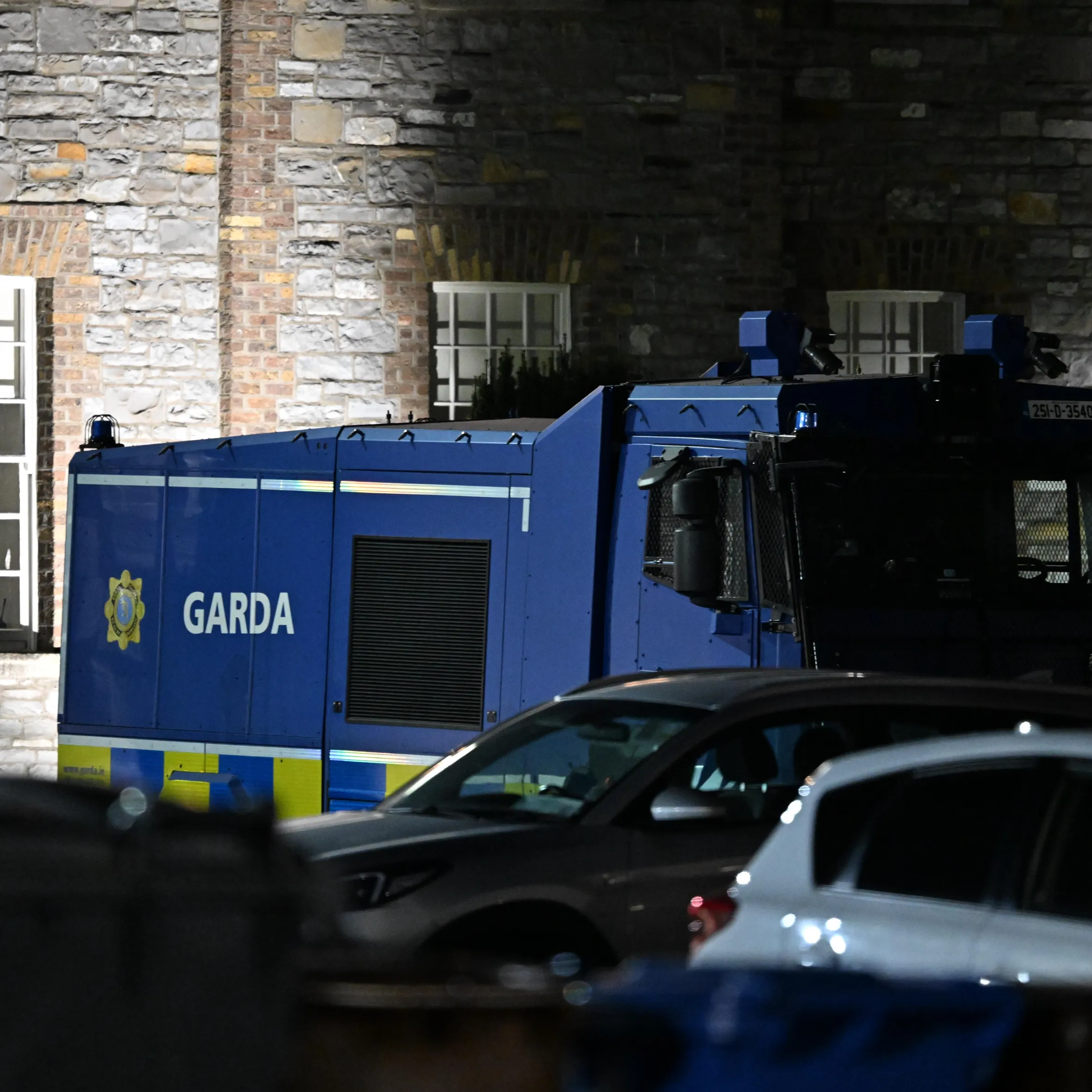 Water cannon spotted at Garda HQ in Phoenix Park on Saturday nightTimes Media Ltd
Martin is said to have requested that oil companies do everything in their power to ensure pending deliveries are not rejected during the five day standoff.
The government refused to meet the activists, and on Saturday ordered gardai to begin making arrests and removing vehicles used in the blockades. The move appears to have acted as a catalyst encouraging more people to join the movement, but most of these faded away on Sunday when it was made clear the gardai were cracking down on disruption.
Sinn Fein finance spokesman Pearse Doherty said the government’s new measures “fall far short” of what is required, stating that it should have gone further on petrol and diesel cuts and scrapped excise on home heating oil.
“They only moved because of public pressure – and even then, they fell short,” he said.
“The pressure must now intensify. We will bring forward our motion of no confidence in the government this week.”