
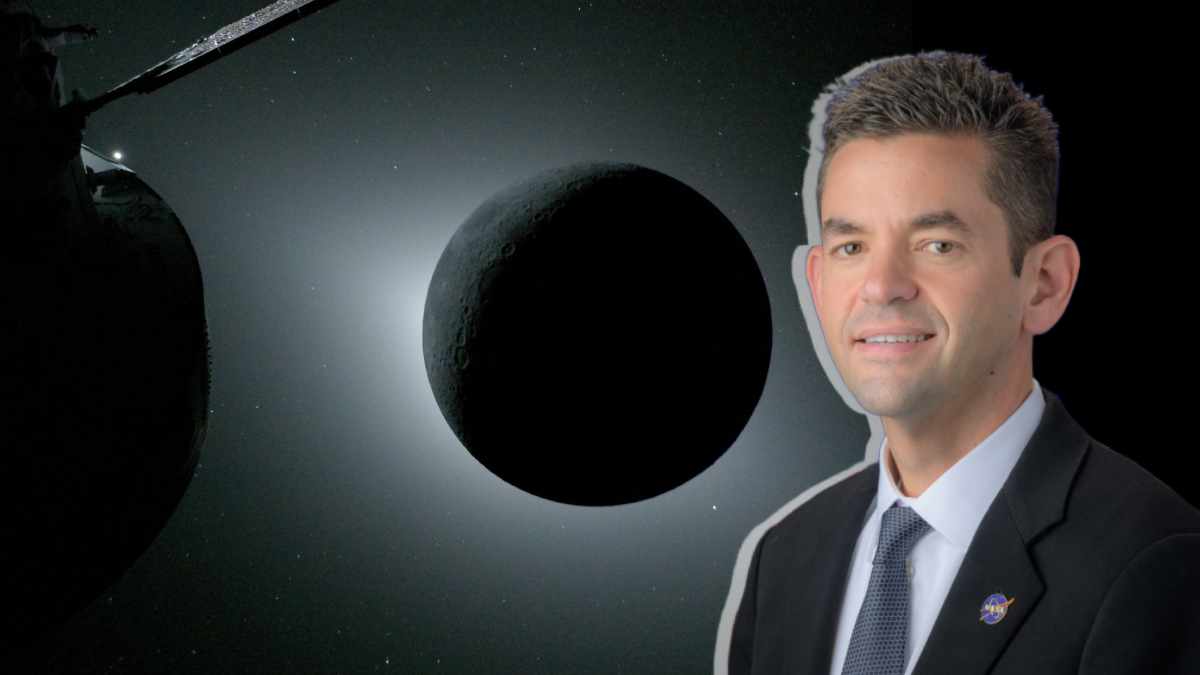
NASA astronaut Reid Wiseman (50), Artemis II commander; NASA astronaut Victor Glover (49), Artemis II pilot; NASA astronaut Christina Koch (47), Artemis II mission specialist; and Canadian Space Agency (CSA) astronaut Jeremy Hansen (50), Artemis II mission specialist, created history with their 10-day journey to the far side of the moon and back. The Artemis II mission accomplished its task. NASA administrator Jared Isaacman in a series of tweets, stated what’s next for the space agency.
Thank you for following Artemis II. We’re just getting started. Welcome to the Artemis generation. Four outstanding humans, the Artemis II crew, inspired the world. The kids who watched them will continue to be inspired for years to come as we continue with Artemis III, IV, and beyond.
In another tweet he added,
We’ve learned a lot from Artemis II. Now, we’re going to apply it. This is the Golden Age of Space Exploration. With Artemis II complete, we’re preparing to roll Artemis III into the VAB. Artemis III will rendezvous with our partners in earth orbit as we continue building toward the NASA Moon Base. Artemis missions will launch every year, with Artemis IV landing on the Moon in 2028.
Isaacman reiterated the above in another post.
Artemis II carried humans farther into space than we’ve ever been in over half a century and showed a new generation what exploration looks like. The journey back to the Moon is underway. Artemis III is up next.
Meanwhile, NASA announced the rollout of the core stage of the Moon rocket for NASA’s Artemis III. It is the largest section of the SLS rocket that will be rolled out in New Orleans on April 20.
With Artemis II complete, we’re preparing to roll Artemis III into the VAB. Artemis III will rendezvous with our partners in earth orbit as we continue building toward the @NASAMoonBase.
Artemis missions will launch every year, with Artemis IV landing on the Moon in 2028. pic.twitter.com/SfscJkWzo5
— NASA Administrator Jared Isaacman (@NASAAdmin) April 13, 2026
Thank you for following Artemis II. We’re just getting started. Welcome to the Artemis generation. pic.twitter.com/hrbvNSwdUI
— NASA Administrator Jared Isaacman (@NASAAdmin) April 12, 2026
Four outstanding humans, the Artemis II crew, inspired the world.
The kids who watched them will continue to be inspired for years to come as we continue with Artemis III, IV, and beyond. pic.twitter.com/j3HpMBjDeN
— NASA Administrator Jared Isaacman (@NASAAdmin) April 13, 2026
Calling all media! You’re invited to the rollout of the Moon rocket core stage for @NASAArtemis III.@NASA will roll the largest section of the SLS rocket out of #NASAMichoud in New Orleans on April 20.
This event is open to U.S. media.
Apply by April… pic.twitter.com/sliLKiNckn
— NASA Marshall (@NASA_Marshall) April 13, 2026
So what does a NASA Moon Base entails? In a tweet ahead of the Artemis II mission, Jared Isaacman laid out the fundamentals:
Frequent robotic landings and mobility testing, including MoonFall drones
Starting in 2027 nearly monthly cadence of equipment and rovers with scientific payloads landing on the Moon.
Investments in power, communications, and surface mobility
Scalable infrastructure to support long-term human presence
He added
foundation for an enduring lunar base and take the next step toward Mars.
Per the Moon Base guide there will be three phases of implementation with
Phase I comprises 25 launches and 21 landings. The purpose of Phase I is to establish ground truth for the Moon Base landing sites.
Phase II comprises 27 launches with 24 landings. The purpose of Phase II is to establish an initial lunar base with semi-annual crewed missions.
Phase III comprises 29 launches and 28 landings. The purpose of Phase III is to increase the payload mass for space CLPS and uncrewed cargo return capabilities.
You can read more about NASA’s Moon Base planner here.
To build a sustained human presence on the Moon, we are building @NASAMoonBase, prioritizing surface operations and scalable infrastructure.
– Frequent robotic landings and mobility testing including MoonFall drones
– Starting in 2027 nearly monthly cadence of equipment and… pic.twitter.com/3T00Y450kO
— NASA Administrator Jared Isaacman (@NASAAdmin) March 24, 2026
Cover: NASA