 New Delhi: The upcoming guidance for the development and manufacturing of biosimilar drugs in India will reduce the need for conducting bioequivalence studies through greater reliance on characterisation approaches, the Drugs Controller General of India (DCGI) said.
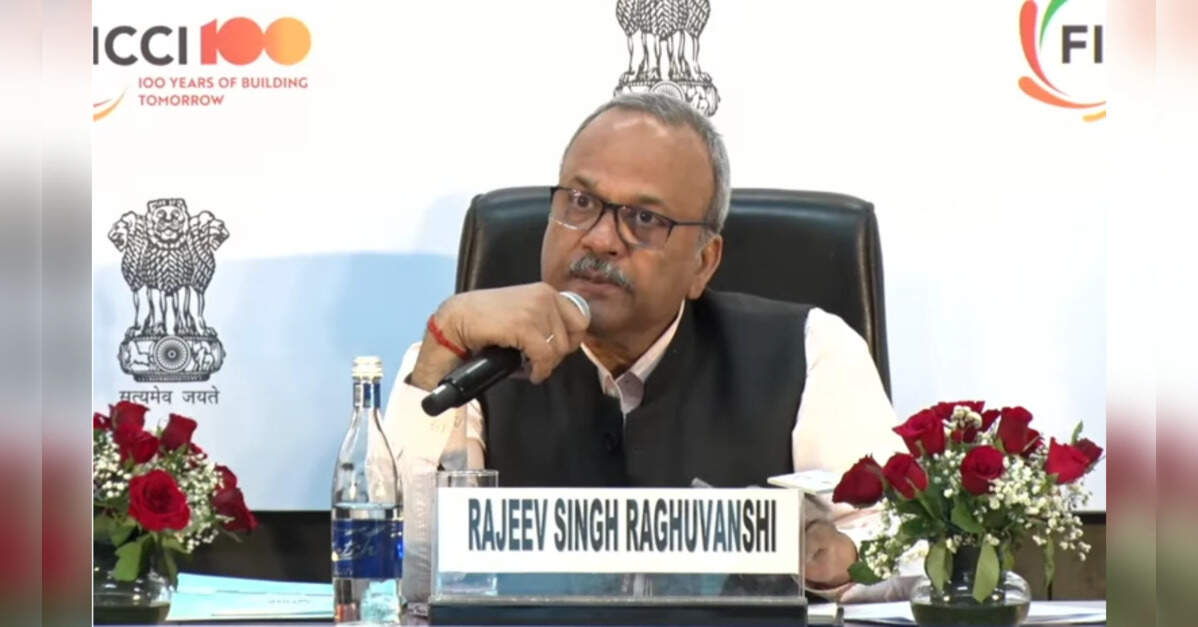
Speaking at the ninth edition of India Pharma 2026, Dr Rajeev Raghuvanshi informed that based on recommendations received on the draft issued last year “the final guidelines will reduce the need for separate bioequivalence studies and rely more heavily on characterisation to demonstrate equivalence with the innovator product.”
“The new guidance which is presently undergoing the final stages of discussion, is at par with the standards followed in key markets, like the US, Europe and Canada etc.,” he added.
To support drug development and accelerate approvals, the apex regulator highlighted that a significant share of “low-risk bioequivalence\bioavailability studies have been waived across drug categories, accounting for nearly 50 per cent of all NOCs issued by the Central Drugs Standard Control Organization (CDSCO).”
Similarly the requirement of obtaining test licenses up to pre-clinical stages has been eliminated as part of several deregulatory measures aimed at easing research and development, he added.
Notably, the central drug regulator is undertaking a comprehensive revision of regulatory guidance for drug development and the draft guidelines for biosimilars signal a strong push towards adopting global approaches, including reducing reliance on pre-clinical animal toxicity studies and placing strong emphasis on modern testing methods to lower developmental costs and improve efficiency.
As several blockbuster biologics with more than $200 billion in market potential are nearing to loose their patent protection by the end of this decade, biosimilars are emerging as a major growth opportunity for drugmakers in India and regulators across the world are undertaking measures to support their development and accelerate market entry.
Agencies like the US FDA have also announced plans to eliminate the requirement for high-cost comparative clinical efficacy studies (CES) by embracing advanced analytical methods that can establish product equivalence with the biologic.
Accelerating approvals Addressing one of the industry’s key concerns regarding the predictability of regulatory timelines in India, Dr Raghuvanshi said that in calendar year 2025, the timelines for approval of clinical trials have come down to 120 to 135 days, while the time taken for granting market authorisation is under 150 days, marking a significant reduction in pendency compared to earlier levels.Industry executives present at the event said that earlier, timelines for both milestones varied between 5 to 10 months and often extended beyond a year in several cases.
The DCGI also said that the central regulator is moving to issue a request for proposals (RFP) to develop a new digital portal that will bring all regulatory processes under a single window. The proposed platform is envisaged to bring all stakeholders, including manufacturers and distributors, under one umbrella to streamline the pharma value chain and strengthen the industry.
Published On Apr 14, 2026 at 07:57 AM IST
Join the community of 2M+ industry professionals.
Subscribe to Newsletter to get latest insights & analysis in your inbox.
All about ETPharma industry right on your smartphone!