
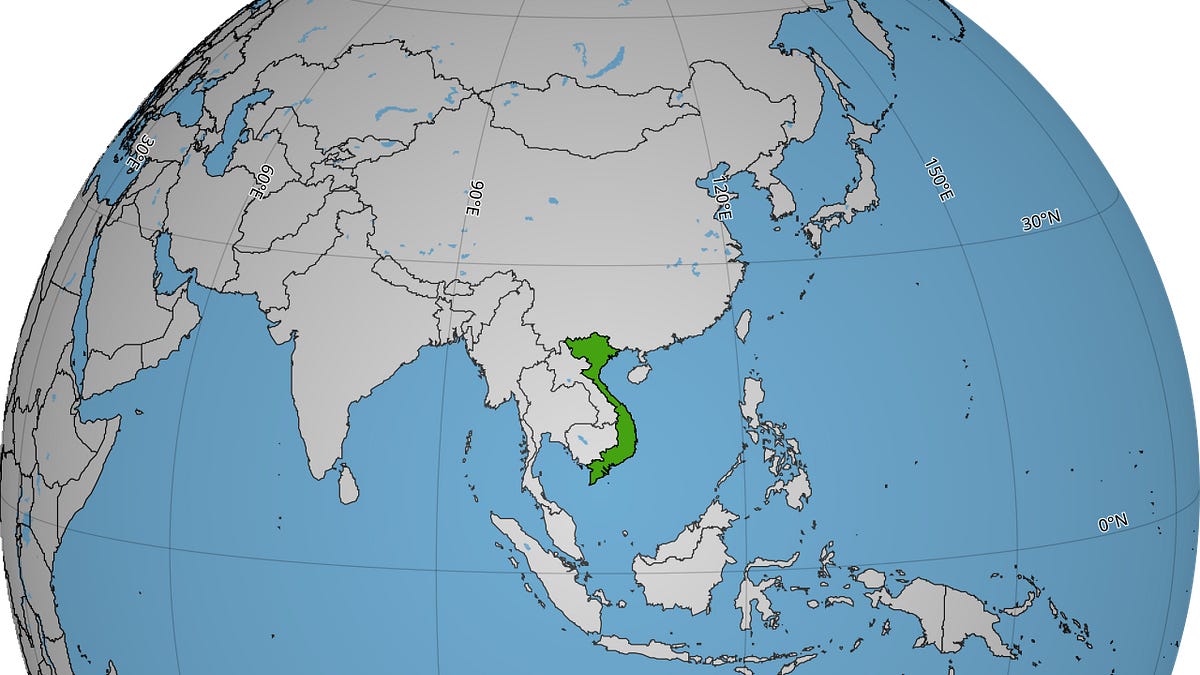
Several infectious diseases such as hand, foot and mouth disease and dengue fever have been on the rise in many localities, especially in the South, recently.
These are all seasonal diseases that spread easily in the community if not controlled promptly. In response to this situation, the health sector is intensifying epidemiological surveillance, implementing prevention and control measures, and advising people to raise their awareness of disease prevention and protect their own health, their families’ health, and the community’s health.
 Image/Sanjay Rao
Dengue fever
According to Deputy Director of the Department of Disease Prevention Vo Hai Son, based on surveillance data from the beginning of 2026 to the present, the whole country has recorded 31,927 cases and 4 deaths. Cases were recorded early in the year, mainly concentrated in provinces and cities in the southern region.
In the coming period, the disease may continue to increase, especially during the rainy season months, given the early onset of hot and humid weather and living conditions and water storage in some areas that create favorable conditions for disease-carrying mosquitoes to thrive, Mr. Son predicted.
Battling Dengue: Scott O’Neill, PhD, CEO of The World Mosquito Program
Deputy Director Vo Hai Son stated that in recent years, dengue fever in Vietnam has shown a cyclical increase, alternating with years of high incidence. However, in addition to cyclical factors, there are now many contributing factors such as warmer weather, erratic rainfall, rapid urbanization, high population density, and the presence of numerous water-holding containers in residential areas. These factors can cause outbreaks to appear earlier, last longer, and be more difficult to control if the community does not consistently maintain preventive measures. Therefore, surveillance and prevention efforts need to be carried out continuously, not just during the peak season.
However, a segment of the population still lacks a full understanding of dengue fever prevention and control. Many believe that disease-transmitting mosquitoes only breed in dirty water, while in reality, Aedes mosquitoes often lay their eggs in containers of clean or relatively clean water in and around the house, such as jars, pots, flower vases, buckets, water trays, and old tires. Furthermore, many rely primarily on chemical spraying, while the most important and sustainable measure remains eliminating mosquito breeding grounds and destroying mosquito larvae weekly. Aedes mosquitoes typically bite during the day, so it’s necessary to proactively prevent mosquito bites during the day as well, not just at night. If symptoms suggestive of the disease appear, people should not self-treat at home but should seek medical attention for examination, monitoring, and timely treatment.
Hand, foot and mouth disease (HFMD)
Monitoring data from the beginning of 2026 to date shows that the country has recorded approximately 26,000 cases and 8 deaths. In March 2026 alone, the average weekly number of cases increased compared to the previous month.
Test results from several samples indicate that the EV71 strain is circulating at a significant rate. This virus strain is often associated with a higher risk of severe illness, therefore the health sector is closely monitoring the situation to implement appropriate response measures.
“There are several factors contributing to the recent increase in hand, foot, and mouth disease. First, the early onset of hot and humid weather creates favorable conditions for the pathogen to circulate. In addition, the circulation of the EV71 strain increases the risk of recording severe cases. On the other hand, the disease mainly affects young children, especially those under 5 years old, a group that lacks sufficient personal hygiene awareness and often spends time together in nurseries and kindergartens, thus increasing the risk of transmission. If children are not detected early and kept home from school in time, the disease can spread widely in the classroom and community,” said Mr. Vo Hai Son.
To proactively prevent illness, parents need to regularly monitor their children’s health, especially those under 5 years old. If a child shows suspicious symptoms such as fever, mouth sores, or a rash on the hands, feet, or buttocks, they should be taken to a medical facility for examination and guidance on care and treatment. Children with the illness should stay home from school to prevent spreading the disease to other children. Schools need to improve hygiene in classrooms, toys, and frequently touched items; monitor children’s health; and cooperate closely with parents and medical facilities in early detection and timely treatment of suspected cases.