
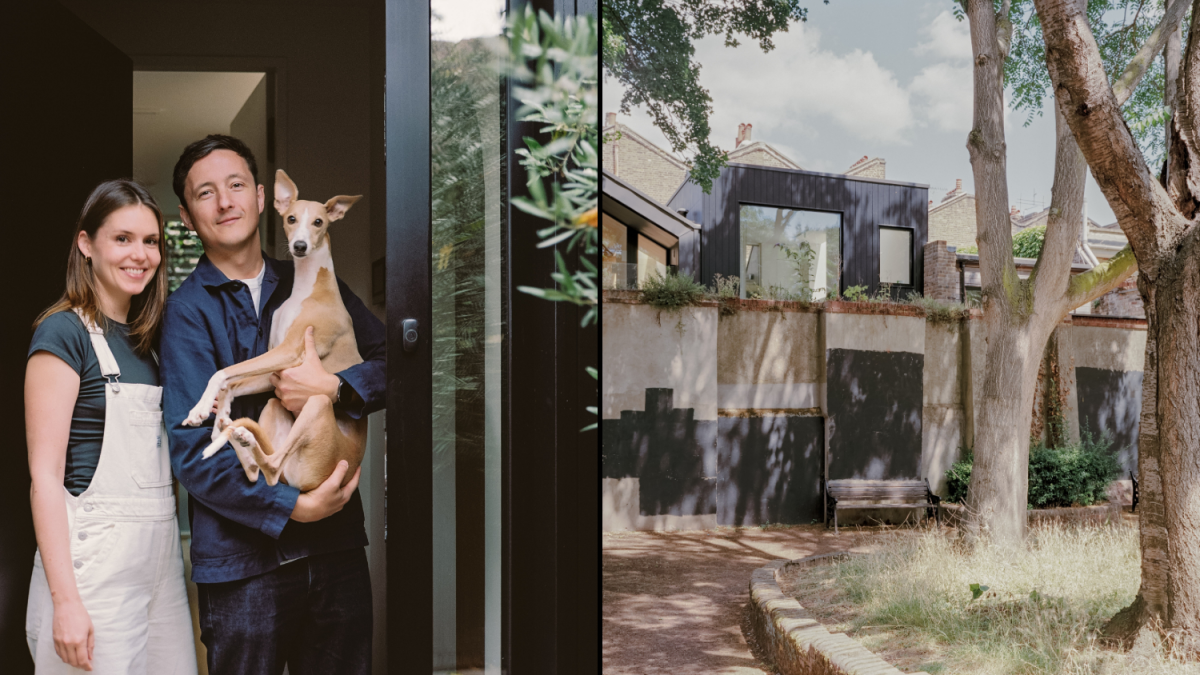
The architect James Davies admits, with a wry smile, that his taste in renovation projects is “problematic”. After a string of challenging builds that would send fainter-hearted renovators running, problem-solving has become a kind of raison d’être behind his designs.
Since 2010 he has been living in Hackney, east London, keeping an ear to the ground for a plot with the right kind of potential. “I was hyper-focused on Stoke Newington,” explains Davies, 42, who set up his architectural practice, Paper House Project, in 2012. “There was a point a few years ago when I knew every available plot [locally] and who owned it. I’d be going around knocking on doors, posting letters.”
In late 2019 the hunt paid off when someone approached him with the possibility of buying a plot off-market. The unkempt 40 sq m (430 sq ft) site was exactly what Davies was looking for: a ramshackle commercial mechanics’ unit and a tyre-strewn yard beside Butterfield Green, a tree-fringed park in east London that replaced a row of Victorian terraces that were bombed during the Second World War.
Property newsletter
Inside Britain’s most exclusive homes, plus what’s really going on in the property market.
Sign up with one click
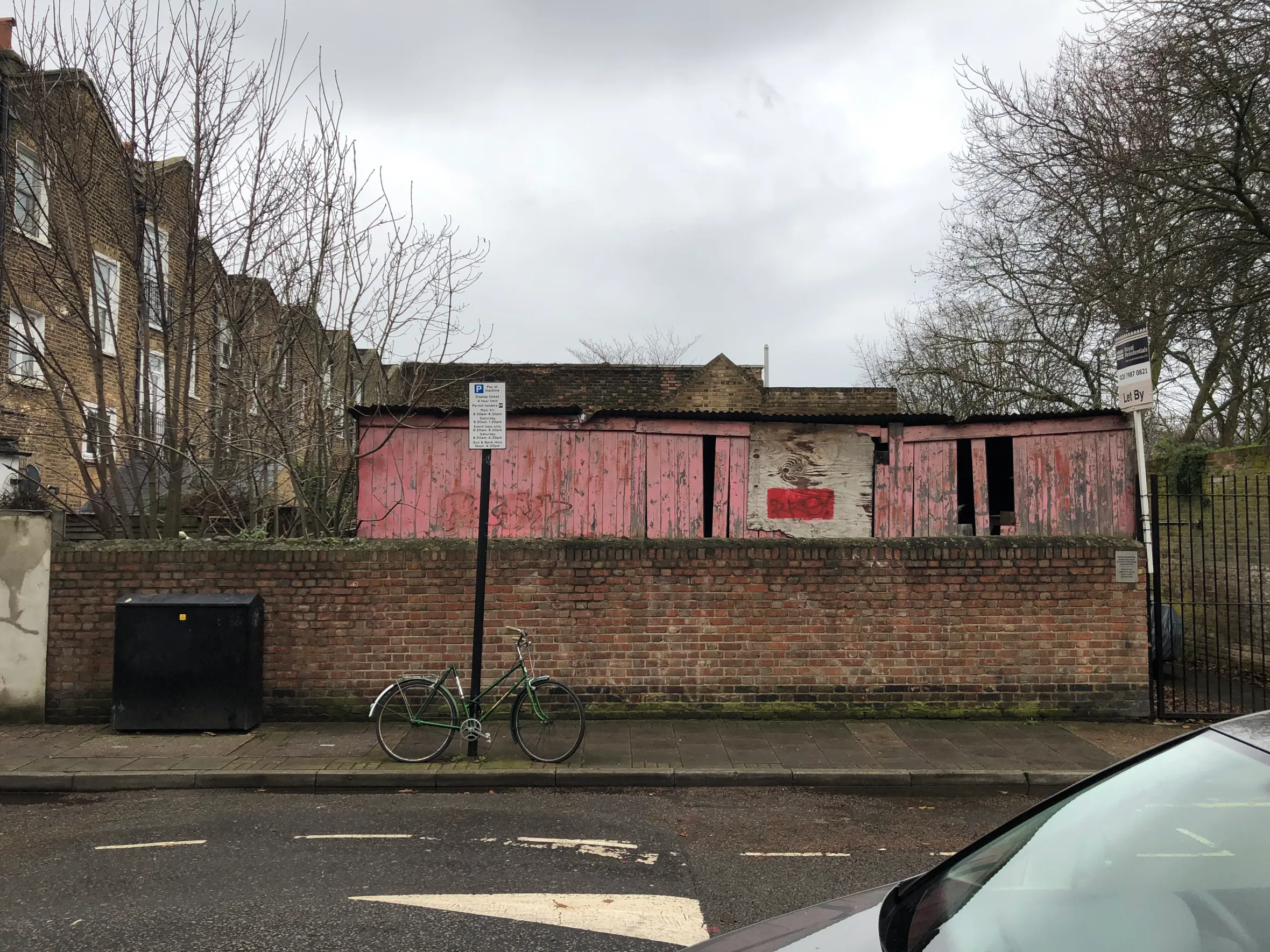 Davies purchased the site for £280,000 in March 2020
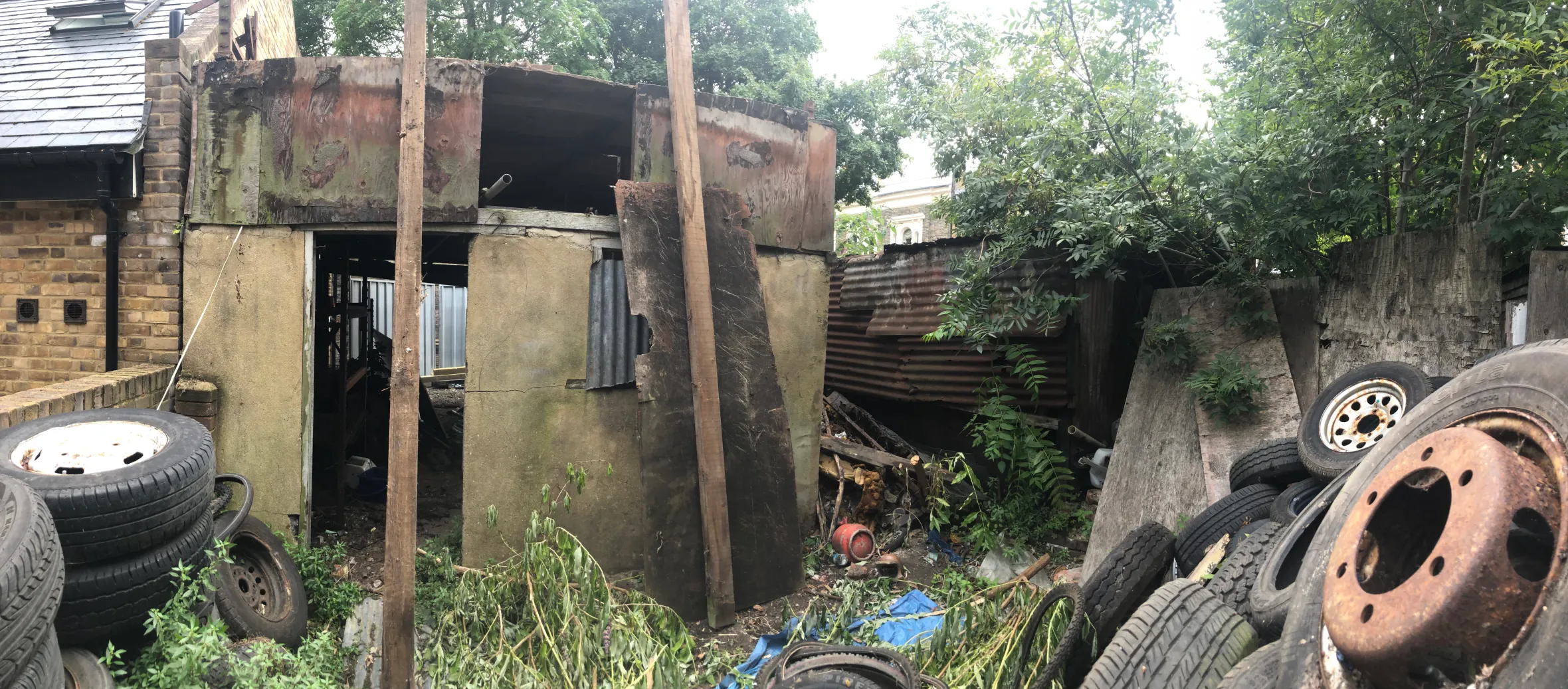 Before the work began
Since childhood Davies has harboured an “obsession” with treehouses. His plan with this site, purchased for £280,000 in March 2020, shortly before the UK was plunged into the first Covid-19 lockdown, would be an extension of that. “The idea was living in an elevated treehouse, in the canopy overlooking the trees,” he says in a gently lilting northwest accent. “[This] situation, with the park in front, is really uncommon, especially in London”.
At that point he had met his partner, Sophie Ellis-Hayle, 34, the lead print designer at a fashion label, via Hinge, and together the couple embarked on the project, which they named Greenview House. Their aim was to create a bright, environmentally conscious self-build with a cross-laminated timber (CLT) framed structure (“a good option for an airtight, efficient envelope”). Davies estimated its planning and build would take two years.
This would be his third personal project. He bought his first home in east London with his dad in 2011, “a relatively straightforward derelict terrace in Homerton” and embarked on its nine-month conversion. The second, a dilapidated warehouse off Stoke Newington Church Street, was bought off-market in 2017 through development finance with Lloyds Bank. “The only access was through a doctor’s surgery,” Davies says, explaining how he had to negotiate access “across a car park off the back of it” and dig a 90m-long service trench across third-party land. He won several architectural awards for the effort.
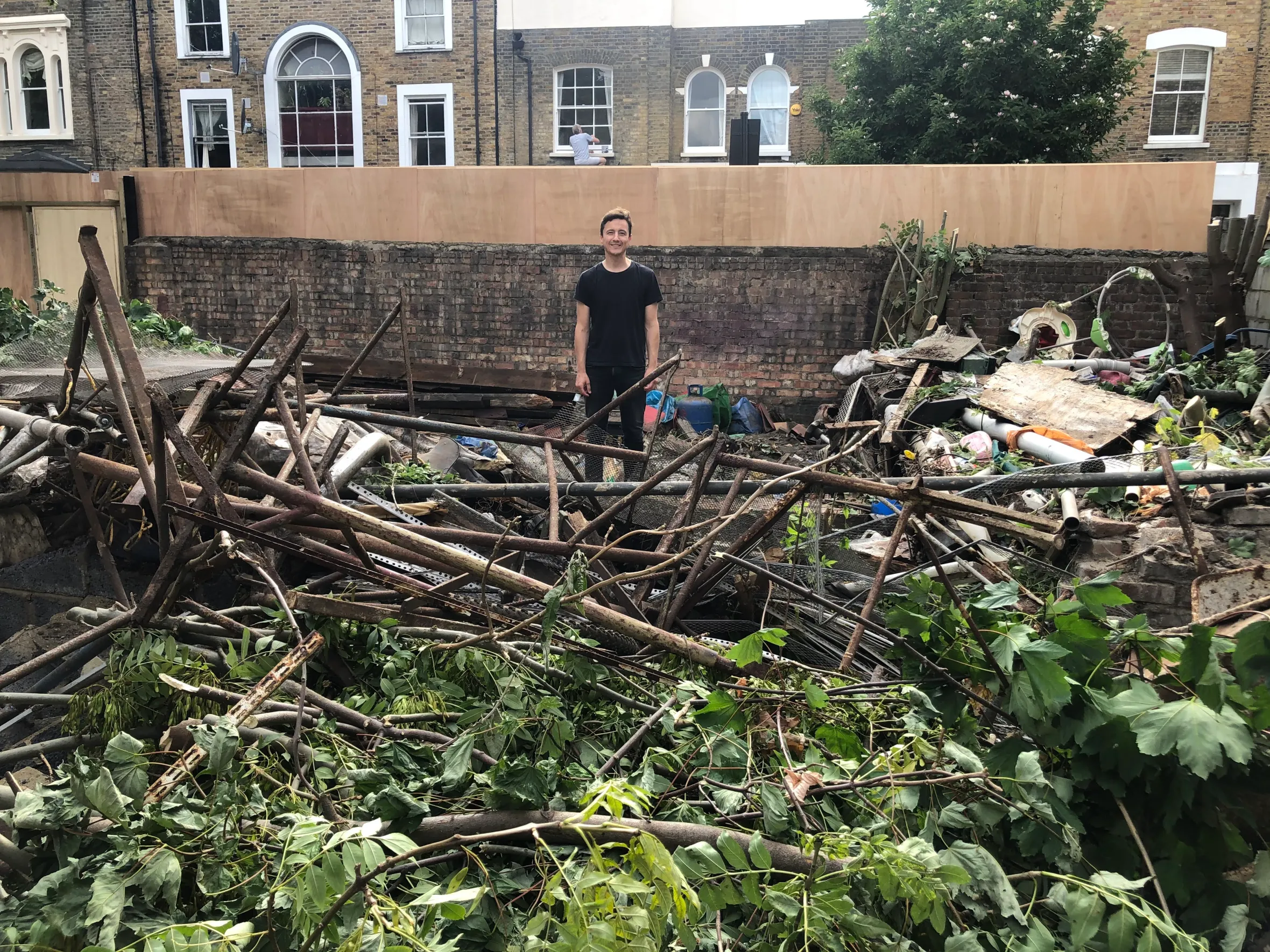 Groundworks started in January 2022
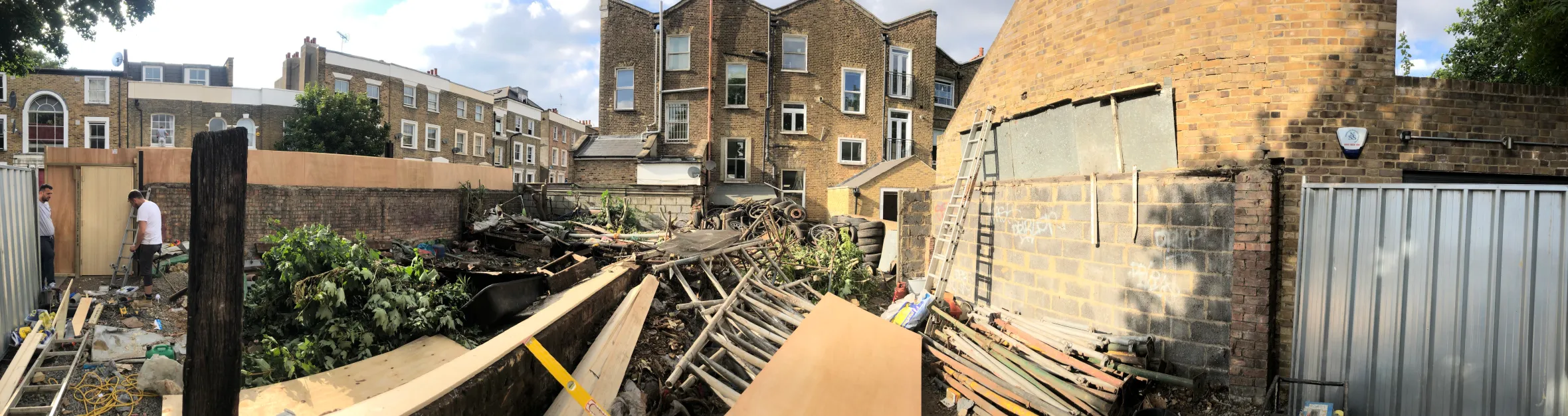 It took 19 months for the planning application to be approved
The proceeds from those two developments went towards the Greenview House plot, his most ambitious project yet. “I thought that there couldn’t be anything more complicated, but I was completely wrong,” Davies says. With the backdrop of the pandemic, material price hikes due to war in Ukraine, and a data breach in October 2020 at Hackney council — resulting in their planning application taking 19 months to be approved — the build ended up taking four years, becoming “an ever-present part of our relationship”.
The initial “Rubik’s Cube” was working out the “vertical circulation”, ie a compliant escape route from the basement. “Once we figured out the layout, a lot fell into place,” says Davies, who adds that his partner “almost took on a client role”. “If Sophie said, I need to see that in 3D, I’d model it for her and show lots of options.”
The addition of light wells and wall build-ups left just 33 sq m (355 sq ft) of usable area at ground-floor level. “In small spaces, every aspect of the design has to work hard and either do one thing really well or multiple things at the same time to justify its inclusion,” he says.
Groundworks kicked off in January 2022. Another layer of complication were the neighbours. The adjoining Butterfield House was then an empty site, bought by an architect at auction three years before. “We suggested building together [as] there were cost and carbon footprint savings that we could share,” Davies says. Once planning was granted, the basements of Greenview and Butterfield Houses were built over the next two months. A one-bedroom house on the other side of Greenview was constructed well over a decade ago. “In order to build the houses, we had to relocate all the services that were laid below ground without permission. There were lots of nasty surprises; it’s traumatic thinking about it.”
A small access route connecting Greenview House and the two other properties to Milton Grove was purchased separately from a third party — “the best £20,000 I ever spent” — and now houses the shared energy meter, a green roof-topped bike and bin storage, and an air source heat pump.
It took just five days for the CLT superstructure for both houses to go up (“we had to close the road off — it ended up being a bit of an event”) and pooling resources with the neighbour meant other benefits such as reduced party wall thickness and using less concrete below ground.
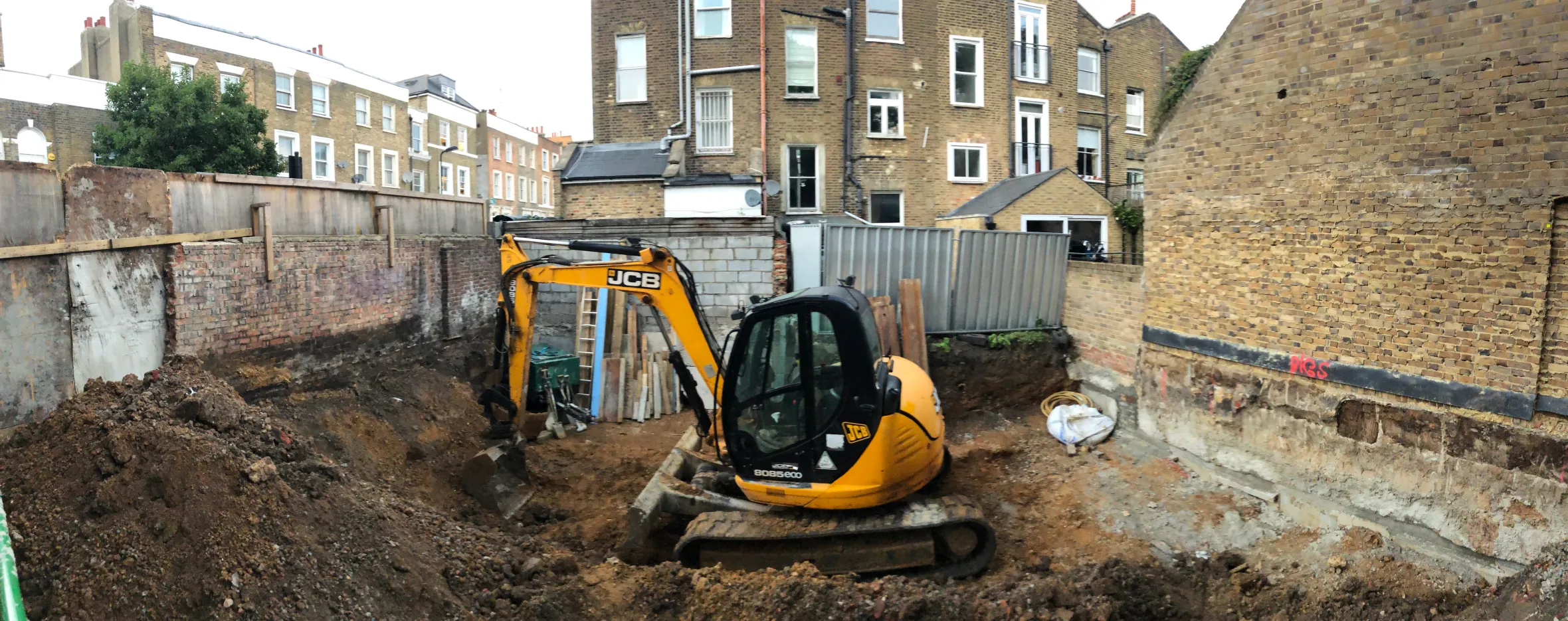
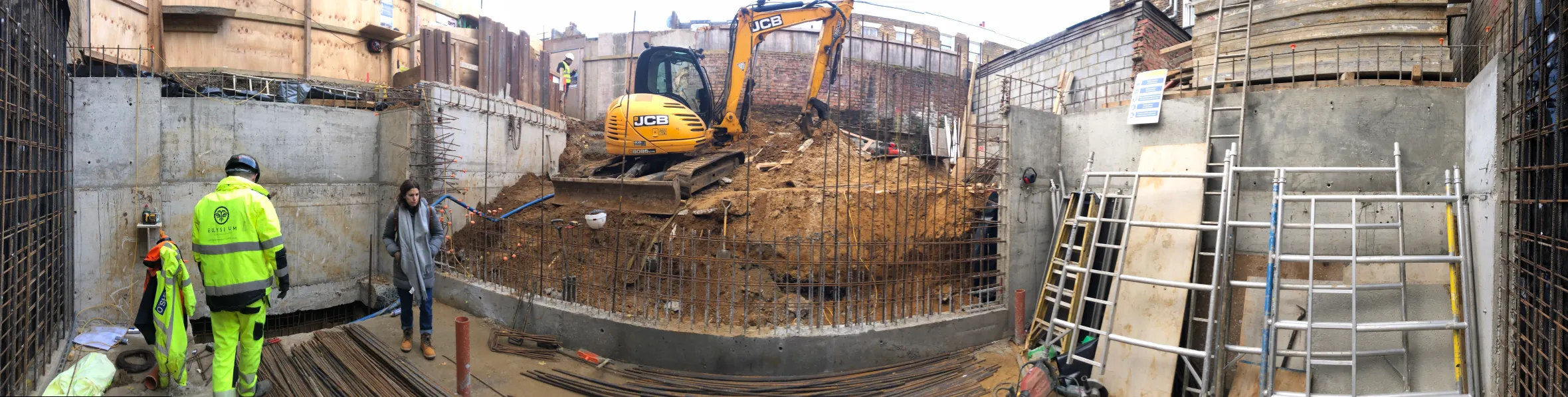
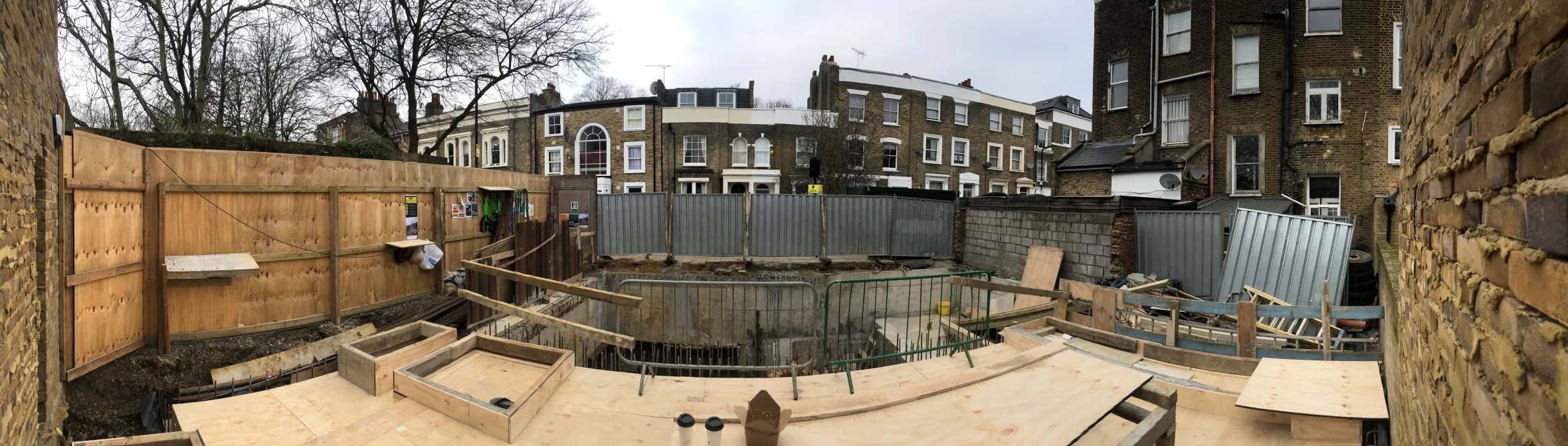
“We went with separate contractors for the fit-out, on very different timescales. We’d probably have run out of money a lot sooner if we hadn’t shared the costs. It was great until we got above ground; they’re very different buildings and trying to waterproof them when you’re not moving at the same pace became a problem.”
Next on the agenda was cladding and the interior fit-out. “We were here for about a year with a temporary kitchen and no flooring. It was still a bit of a building site, but it was [building control] compliant, so we were able to move in [in February 2024]. All the carpentry, including the floors and the stairs, was the last thing that happened.
“I liked being here every day with the contractors, but it was Sophie’s first experience of something like this,” Davies says. “It was really exciting at the start, but she ended up getting dragged into this very stressful, disruptive way of living. I felt completely responsible for her experience. There was a lot of guilt.”
Arranged over three floors, Greenview House has an upside-down layout with the main womb-like bedroom and flexible library/office/guest bedroom on the concrete-floored lower-ground level. Davies is a “terrible sleeper” so “having the bedrooms in the quietest, darkest place in the house made a lot of sense”.
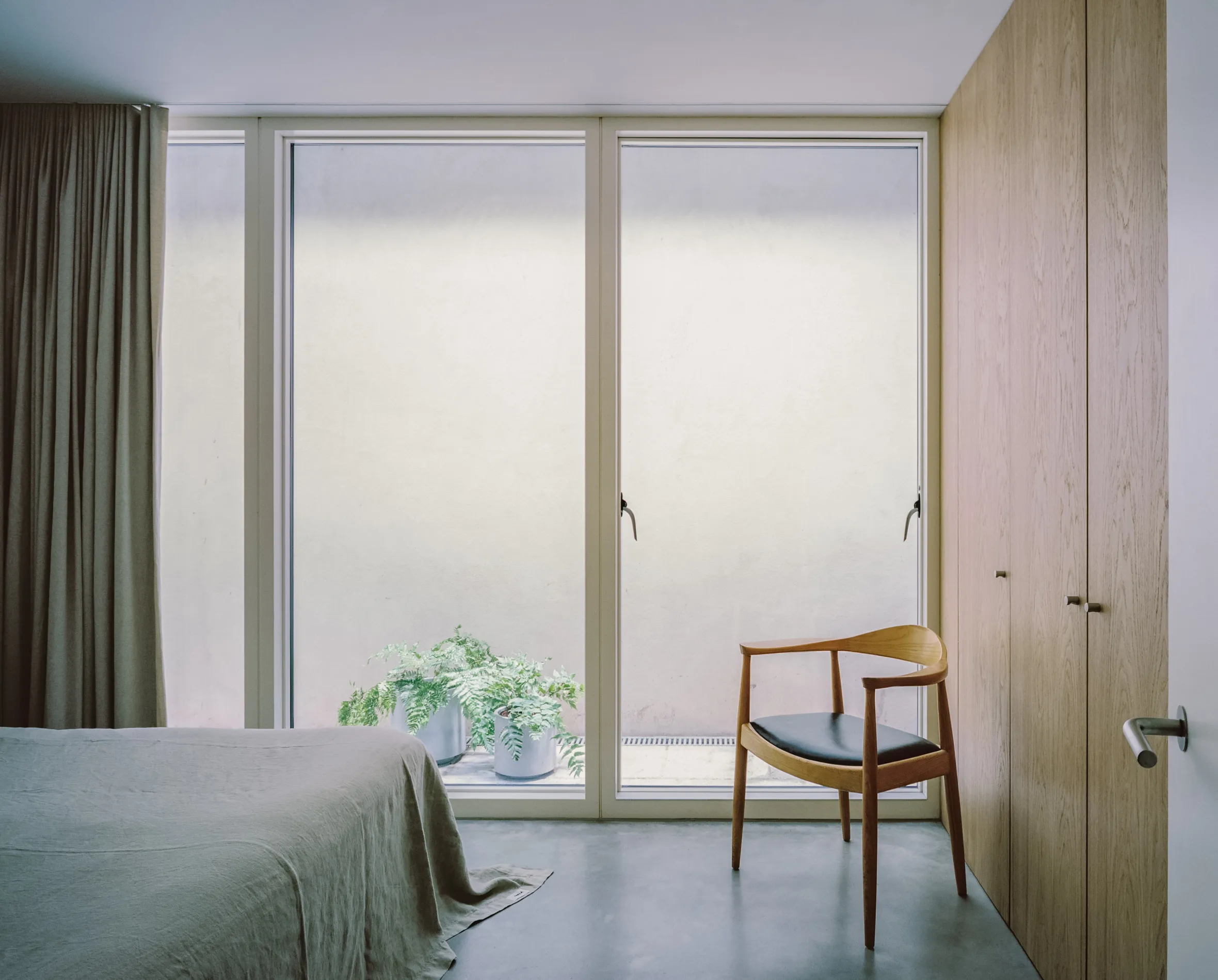 The main bedroom and flexible library/office/guest bedroom is on the concrete-floored lower-ground levelNick Dearden
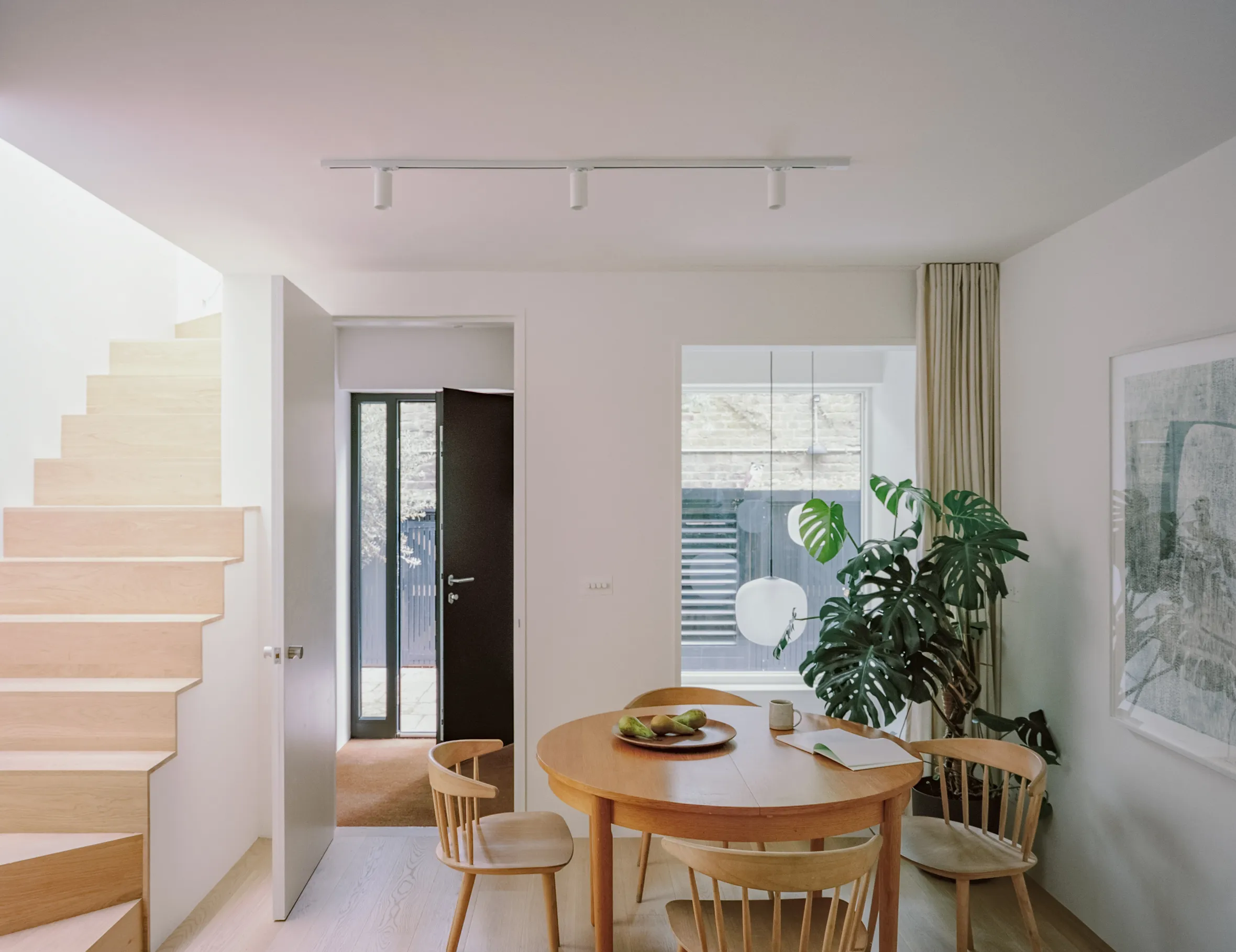 Triple-glazed windows, solar panels and MVHR system means the house has an excellent EPC rating of 97 (A)Nick Dearden
There’s a “super efficient” compact shower room on this floor, with pop-out storage below the stairs. On the ground level is the kitchen/diner, featuring a pared-back palette and bespoke oak cabinetry, with a backdrop of a 3m-high green wall. The first floor houses a spa-like bathroom with a roof light and a double-aspect living room; a picture window frames the verdant views of the park beyond. The vantage point of this gallery-like light-filled living room is beloved by the couple’s whippet, Dylan: “He’s a bit of a sun worshipper — and he’s nosy.”
In total, the works ended up costing £550,000; a relatively high £650 per sq ft. “It’s a lot,” Davies acknowledges. “A smaller house with green technologies always means a higher cost per square foot.” Triple-glazed windows, solar panels and a mechanical ventilation with heat recovery [MVHR] system result in a top energy performance rating of A.
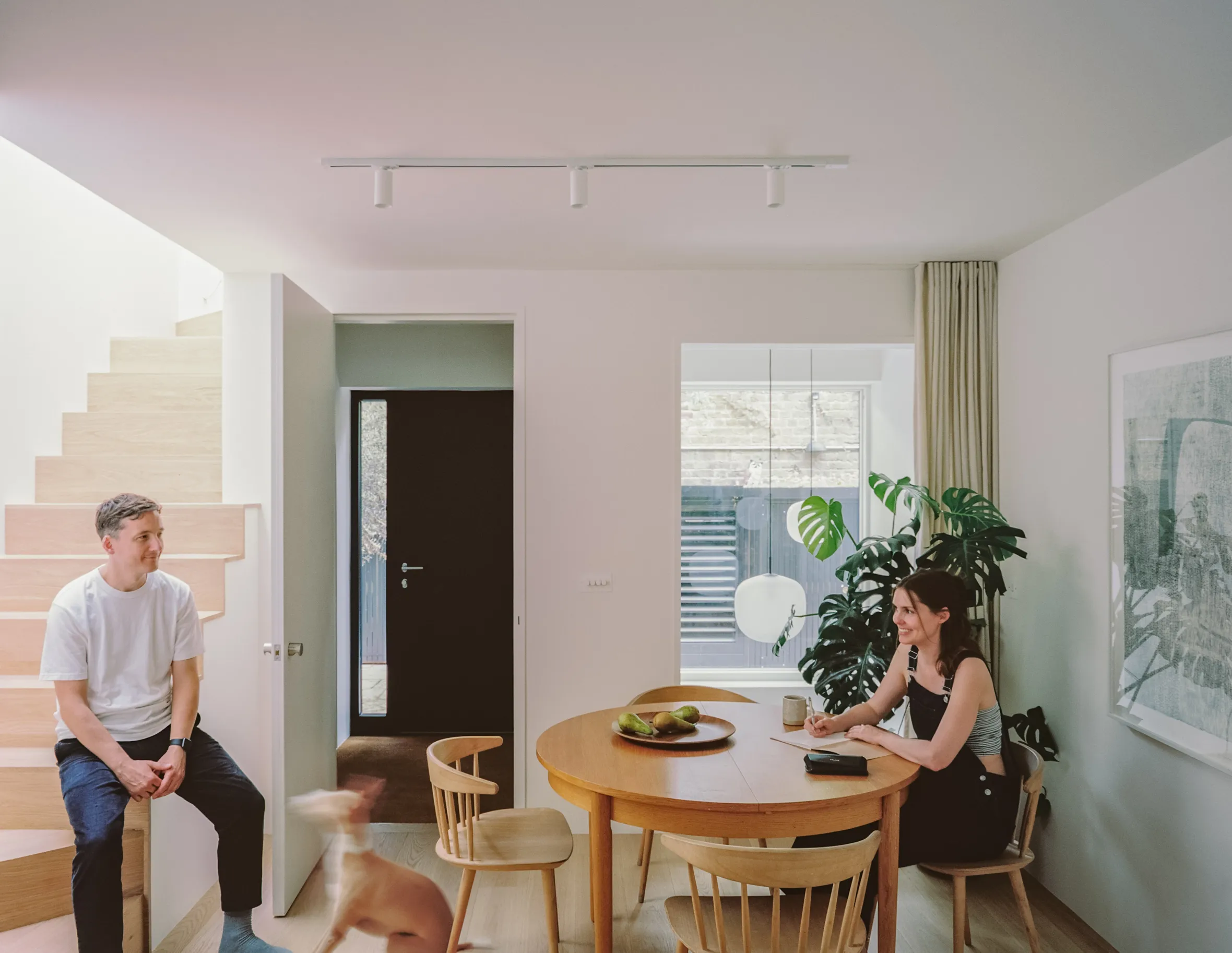 “The build became an ever-present part of our relationship”Nick Dearden
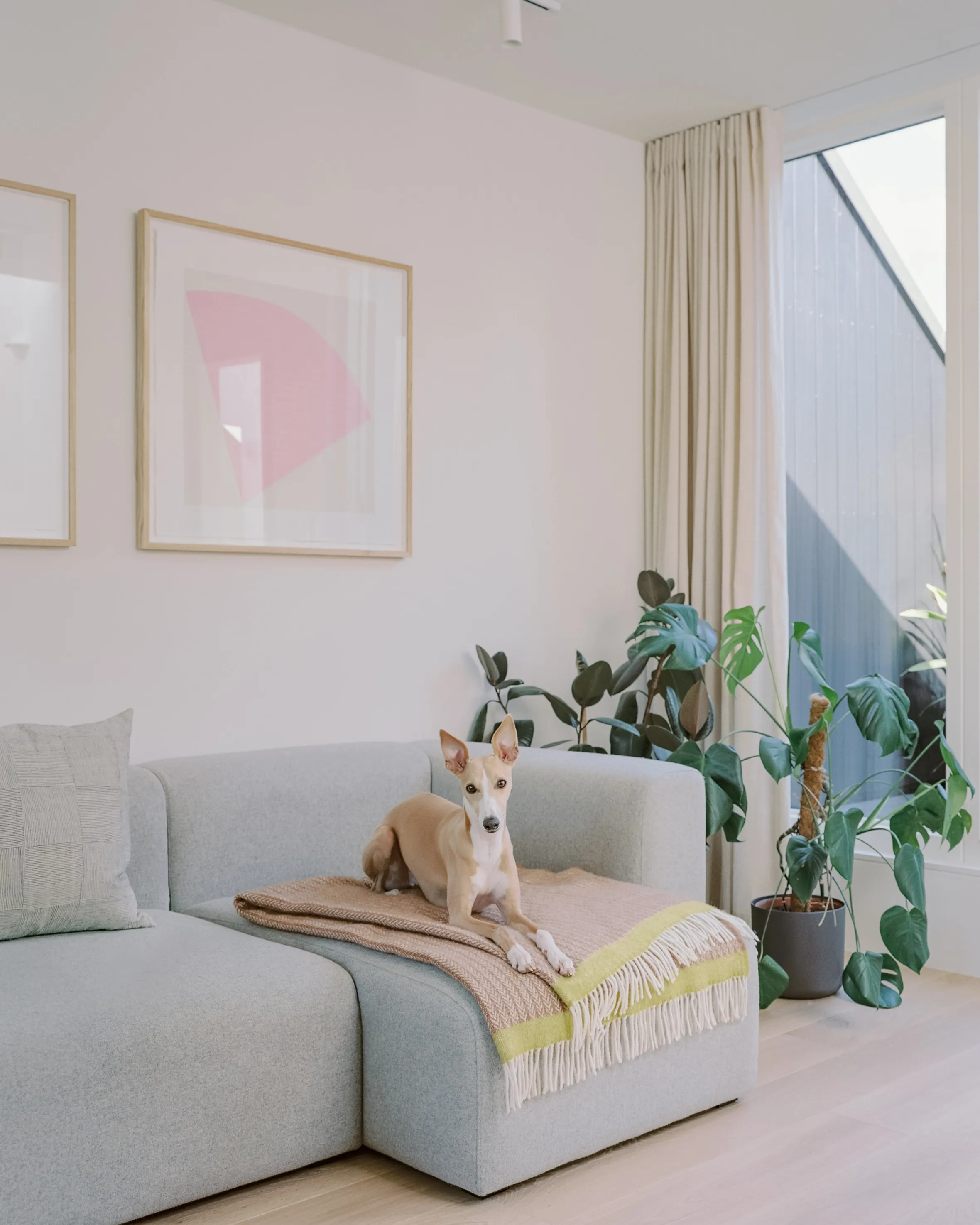 “Dylan is a bit of a sun worshipper — and he’s nosy”Nick Dearden
Greenview House is a triumph, albeit one that has cost the couple more than they’d hoped. With loans to repay, they are gearing up to swap London for southwest England. “We’re very sad to leave, but we want to start a family. We have a connection to Dorset through Sophie’s family. That was always the end goal,” Davies says.
The self-build bug has the couple gripped, however. “The agreement was that while we’re trying to move and start a family that we would move into somewhere, but even just yesterday, Soph was talking about finding a plot.”
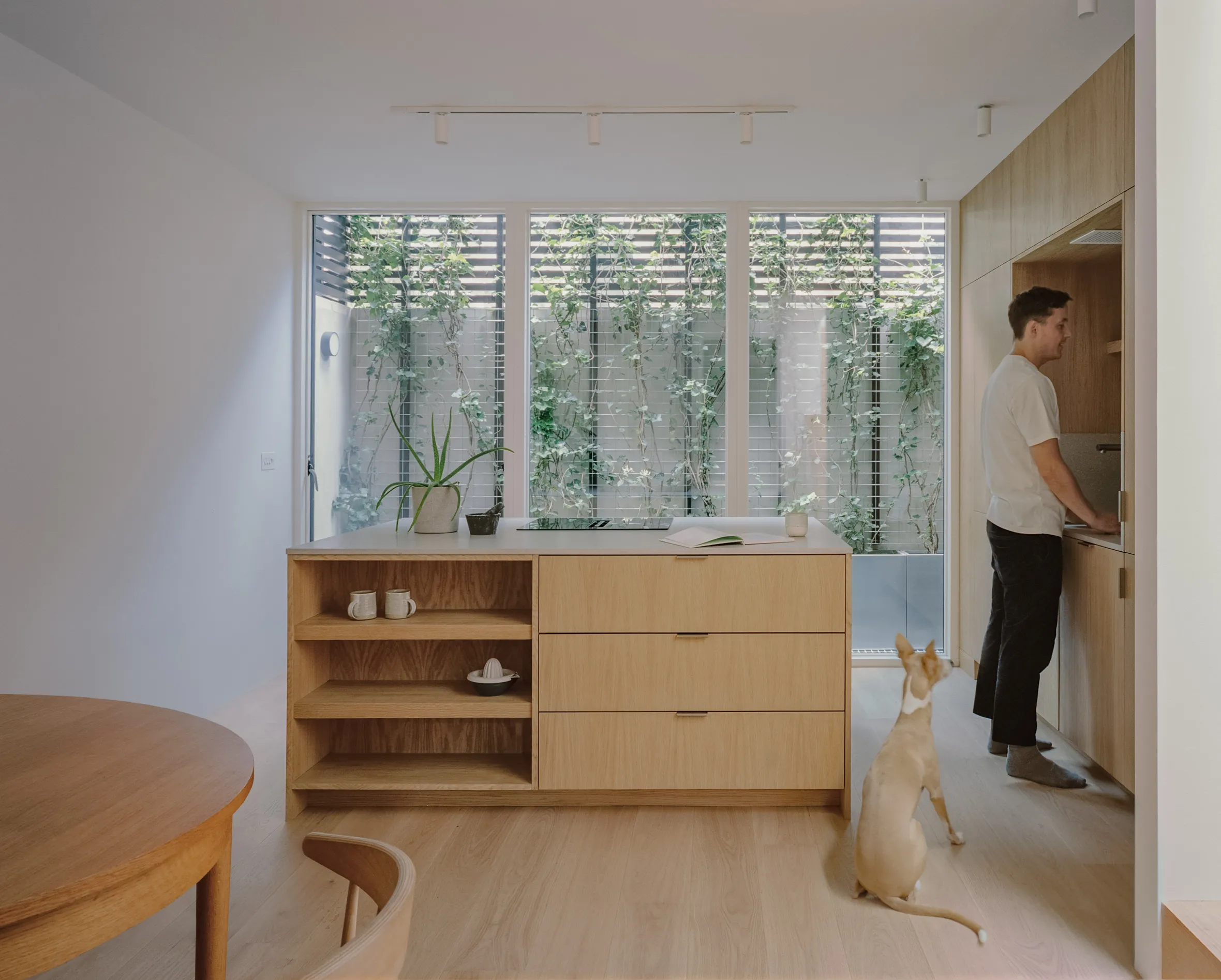 The kitchen/diner is located on the ground floorNick Dearden
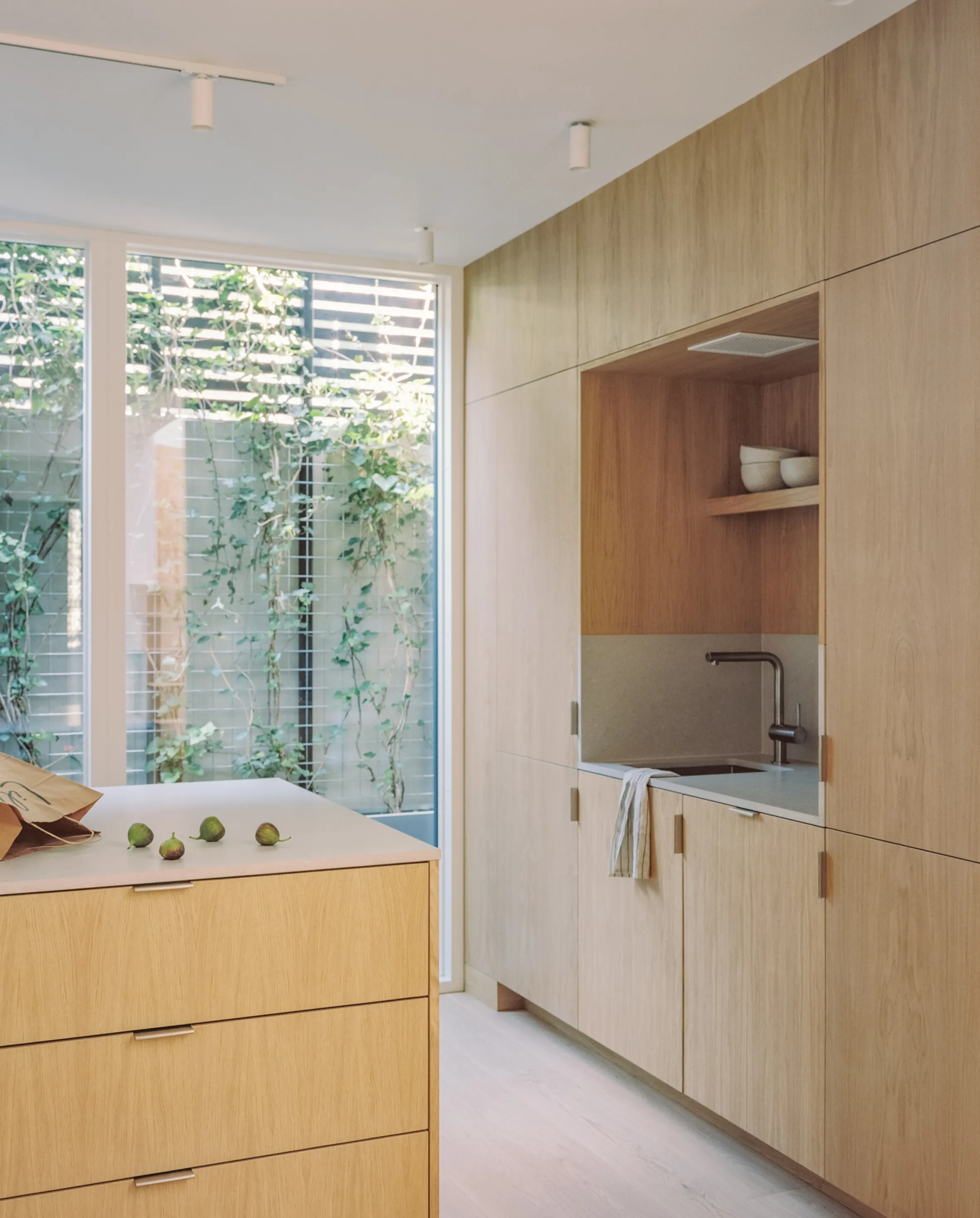 It features a pared-back palette and bespoke oak cabinetryNick Dearden
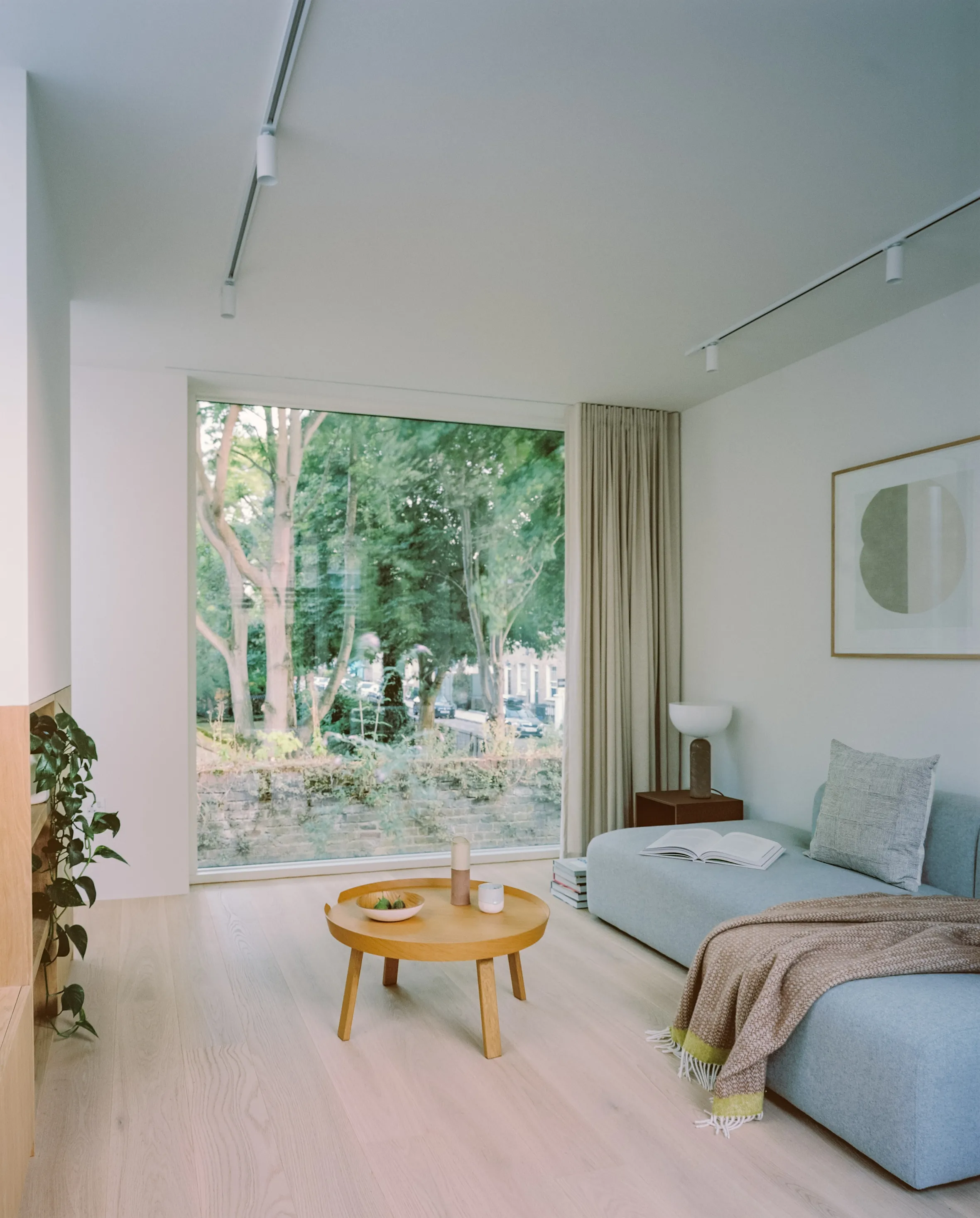 The first floor houses a double-aspect living roomNick Dearden
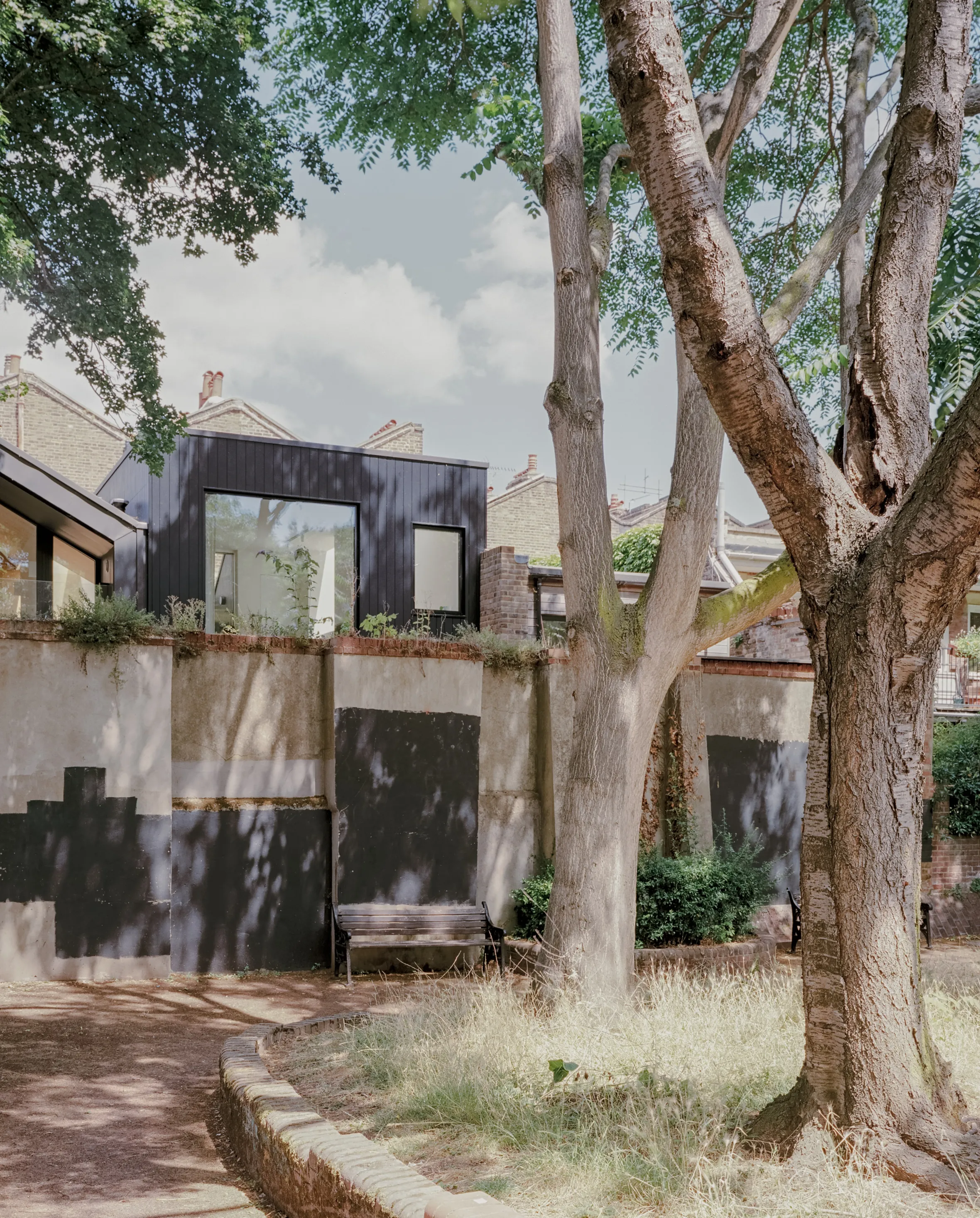 In total, the works ended up costing £550,000; a relatively high £650 per sq ftNick Dearden