
April 17, 2026
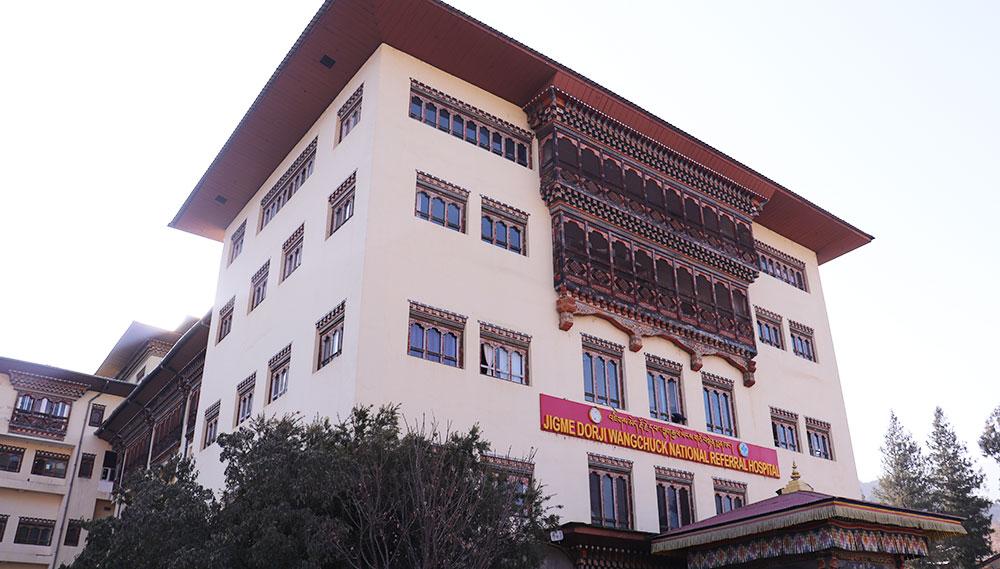
THIMPHU – The country’s largest hospital is running out of oxygen concentrators just as respiratory illnesses surge nationwide, leaving some patients with no choice but to remain in hospital beds for days solely to receive oxygen.
The Jigme Dorji Wangchuck National Referral Hospital (JDWNRH) has 329 oxygen concentrators in total. Of these, 308 have already been issued for use in patients’ homes. Only 21 remain available for new patients.
Nationwide, the situation is similarly strained. Bhutan has 552 oxygen concentrators across its entire healthcare system, and 371 have already been issued, according to health ministry records.
Other regional hospitals are also reporting high demand. The Eastern Regional Referral Hospital (ERRH) has 26 concentrators, with 23 in use. The Central Regional Referral Hospital has 15, with 12 issued. Samtse Hospital has 15, with four in use, while Punakha Hospital has 13.
Officials from the health ministry said the shortages happen when concentrators are sent home with patients for long-term oxygen therapy. Patients taking a concentrator home are required to pay a refundable security deposit of Nu 25,000.
However, officials say many units are returned damaged, which further reduces the pool of available machines.
For patients with asthma and other chronic respiratory conditions, oxygen support is often essential. But without a concentrator at home, many are being admitted to hospitals for several days solely to receive oxygen therapy. This has led to overcrowded wards, with beds occupied by patients who need only oxygen support, not emergency care.
The shortage comes amid growing concerns over declining air quality and a sharp rise in respiratory illnesses.
According to the Annual Health Bulletin 2025, Bhutan recorded 154,221 cases of notifiable diseases in 2024 through the weekly reporting system. Acute respiratory infections accounted for 82 percent of these cases, with children being the most affected group.
Health officials said that oxygen concentrators are not the only option. He added that hospitals also provide oxygen cylinders for home use, and attendants are trained to use masks and cannulas.
“In fact, cylinders are safer and more reliable for patients requiring continuous oxygen therapy. Oxygen concentrators cannot function during power outages, whereas cylinders can,” the official said.
However, oxygen concentrators remain expensive, costing over Nu 100,000 per unit on the private market, far beyond the reach of many families.
The health ministry plans to procure 48 additional oxygen concentrators for hospitals, excluding JDWNRH, in the financial year 2026-27. More units will be purchased based on requirements The NCOF, to be implemented in nine hotels, is expected to enhance service quality and improve staff retention in the hospitality sector. and budget availability.
JDWNRH and ERRH in Mongar have oxygen plants, while other health facilities rely mainly on cylinder supplies.
While government procurement is still months away, a social worker, Karma Kelvin, and his group have been stepping in.
Through donations, they have provided oxygen concentrators to more than 40 patients.
In one case, the group provided an oxygen concentrator to an elderly woman with breathing difficulties, helping her for over two years.