
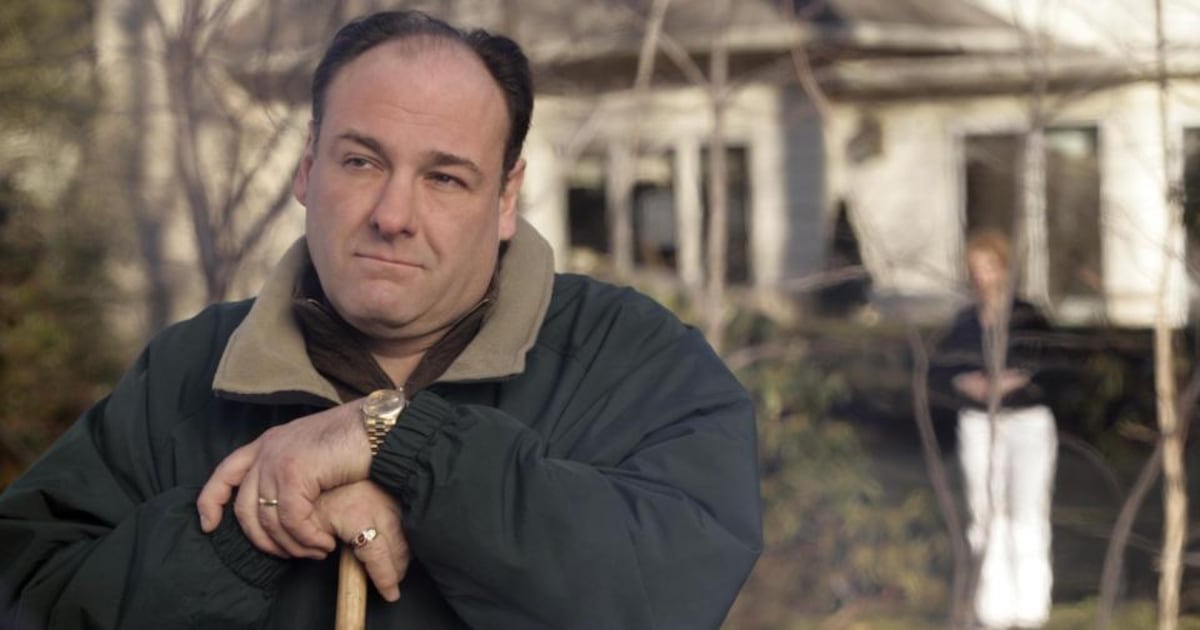
Tony Soprano looked out across the table and handpicked Journey’s Don’t Stop Believin’ from a little tabletop jukebox. His choice of song played over the last scene in the last episode of one of the greatest American stories.
Tony believed he was a good man. He went to therapy. He loved his family. He had a moral code. Meanwhile, he violently killed people without a second thought.
America believes it’s the good guy too. Yet it spends billions policing its own citizens and bombing abroad. Is that what good guys do?
We comfort ourselves with a fantasy, that America only recently lost its way, that this administration is an aberration, that America was once a beacon of democracy and freedom that has somehow gone astray.
But is any of that true?
I arrived in California in the early 1990s. My first boss in San Francisco was an old hippie. He spent the late 60s and early 70s on a goat farm in the Rockies. Long hair. Longer stories. “This is America,” he said. “Nothing changes.”
We were chatting about the Rodney King beating and I remember saying: “Things are going to change now”. I was young and naive. But he just shook his head. “Nothing changes,” he said. “Not here. Not ever.”
That was 1994. Three years earlier, King was brutally beaten by the Los Angeles Police Department. A local resident filmed the whole thing and sent the footage to a TV station. Riots erupted across Los Angeles. Sixty-three people died. The fear and anger were still palpable. Things had to change. Things would change.
[ Donald Trump’s lawsuit against Wall Street Journal and Rupert Murdoch dismissedOpens in new window ]
But my old time hippie boss was right. This is America. Nothing changes.
Everyone knows Rodney King. They know George Floyd, Breonna Taylor, Renee Good. And Alex Pretti. We know the big ones. The ones that make the news. The ones that spark protests and hashtags and corporate statements about Black Lives Matter.
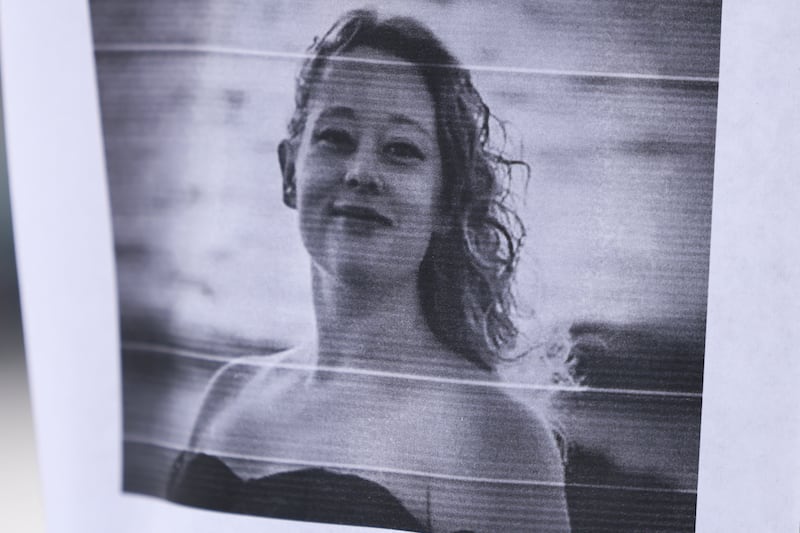 A picture of Renee Nicole Good is displayed near a makeshift memorial for her. Photograph: Charly Triballeau/AFP via Getty Images
But here’s a question. How many people do you think were killed by US police since Rodney King? Five hundred? Five thousand?
The estimated number is closer to 30,000 people. That’s the entire population of Tralee. Gone. Wiped out by the police.
No one even knows the exact number, there’s no official count. The country that can tell you how many Big Macs were sold yesterday, can’t tell you how many people its police kill. There is no centralised database.
Independent compilers do their best to keep track. Best guess suggests more than 1,000 people are killed by police every year. That’s one every eight hours.
It never stops. While you’re eating breakfast, someone’s getting shot. While you’re watching Fair City, a cop somewhere is pulling a trigger.
[ Who was Alex Pretti, the man shot dead in Minneapolis by federal agents?Opens in new window ]
Americans have this trick. They focus on the special cases, the ones caught on video, or the ones that go viral. Then they have a moment of outrage. They have protests, candlelit vigils, think pieces. They have corporate statements and hashtags.
And then they go right back to ignoring the daily slaughter.
That’s Soprano levels of sociopathy. Obsessing over the one or two atrocities on CNN, and happily ignoring tens of thousands of others. The vast majority never make a dent in the national psyche, never get a mural. The most they can hope for is a little column on page seven in the local newspaper.
That’s why Tony is such a wonderful analogy. When Tony had done something terrible, he’d go to therapy. Talk about his mother, about his panic attacks. Get some insight. Feel a little better. Then he’d go home, kiss the wife and hug the kids. Genuinely believe he was a good man.
America does the same thing. Does something terrible. Has a national conversation. Does some soul-searching. Makes a few promises. Tells some wonderful stories, maybe makes a movie or two. Then goes right back to business as usual.
Americans can tell you all about Alex Pretti. They’ve seen the footage. But ask them about the man shot by police last Tuesday on page seven. Nothing.
To be fair, such stories are buried. A brief paragraph. “Officer-involved shooting under investigation.” Officer-involved shooting. Like the officer was just, somehow, involved. Like the gun just went off by itself.
The language is so much more defensible than “cop kills”. It’s the same linguistic trick America uses elsewhere: collateral damage instead of dead civilians. Rendition instead of kidnapping.
Isn’t that almost the definition of psychopathy? The disconnect between reality and language? The ability to kill while insisting you’re the good guys?
In the final scene of the final episode of The Sopranos, Tony sits in the diner waiting for his family. The camera cuts between his face and the door. Someone walks in. Cut to Tony. The tension builds. Then Meadow parks outside. Walks toward the door. Tony looks up. Cut to black.
America is always in that diner. Always one moment away from violence. From Rodney King. From war. It never changes. The bodies keep piling up. And America keeps eating onion rings and listening to Journey: “Don’t stop believin’. Hold on to that feeling. The movie never ends. It goes on and on and on and on …”
The US never stops believing in itself. The only question worth asking is this: when will we stop believin’? Because, as my old boss said: “This is America. Nothing changes.” And he was right.
Jason Ó Mathúna is a Kerryman and content creator who has lived in California for more than three decades
[ Iran threatens to resume rocket attacks as US blockades the Strait of HormuzOpens in new window ]