
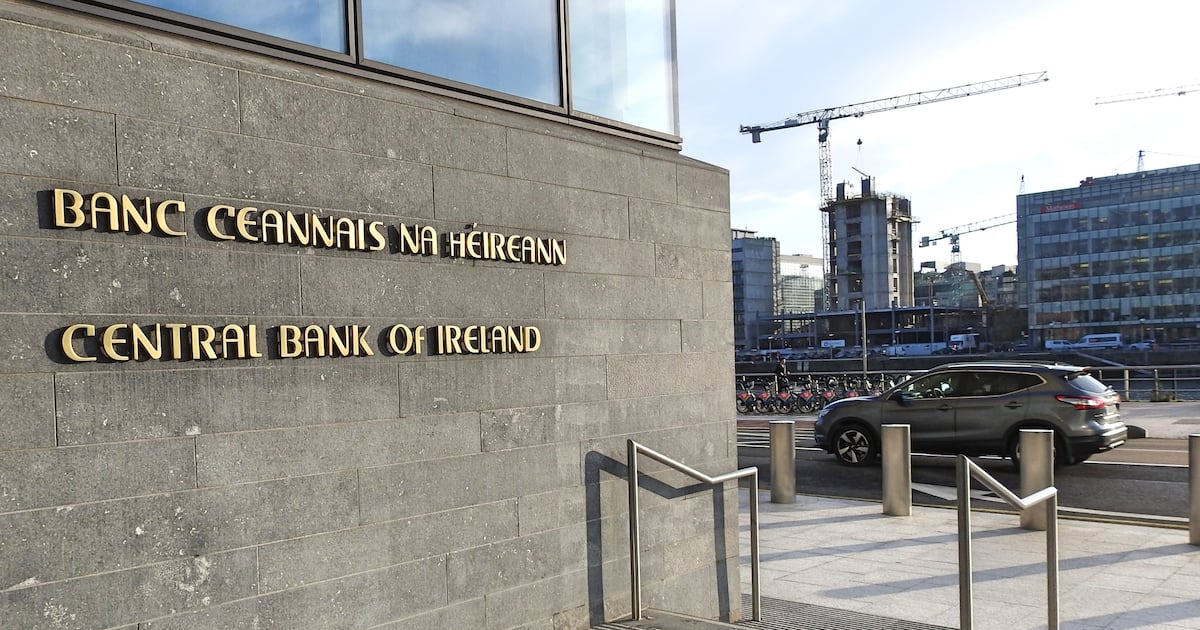
The Central Bank’s chief economist travelled to the Oireachtas on Tuesday to share his concerns about the incessant upward direction of Government spending with the Committee on Budgetary Oversight – only for the meeting to be postponed when not enough members showed up.
No reason, other than the failure to reach a quorum, was given for the postponement, but the meeting was scheduled to take place at the same time as the confidence debate in the Dáil chamber and the approval of the Government’s €505 million package of special measures in response to the fuel price crisis.
The committee, formed “to enhance the role of the Oireachtas in the budgetary formation process”, was to have heard Robert Kelly share his views on the current Medium-Term Fiscal and Structural Plan, which nominally guides matters fiscal for the period to 2030.
Kelly, it is understood, had a rather grim and worrying message to convey. There had been a significant shift recently in the Government’s attitude towards the “excess” corporation tax receipts that play such a vital role in the public finances. Significantly more of the windfall gains are being spent rather than held over for a rainy day, he was planning to say.
Even if the corporation tax fairy keeps on giving over the coming years, and once-off or temporary measures actually turn out to be once-off and temporary, the growing propensity of the Government to dip its fingers into the corporation tax pot was creating serious vulnerabilities for the economy in an unstable world, the deputies were to have been told.
Among other matters, the sharp upward trajectory in Government spending even before the latest package of supports, including untargeted measures that give money to households that are in a financial position to handle the price hikes, threatens our ability to invest in the renewable energy infrastructure that would reduce our vulnerability to future energy price shocks, the committee members would have heard – if they’d turned up.