
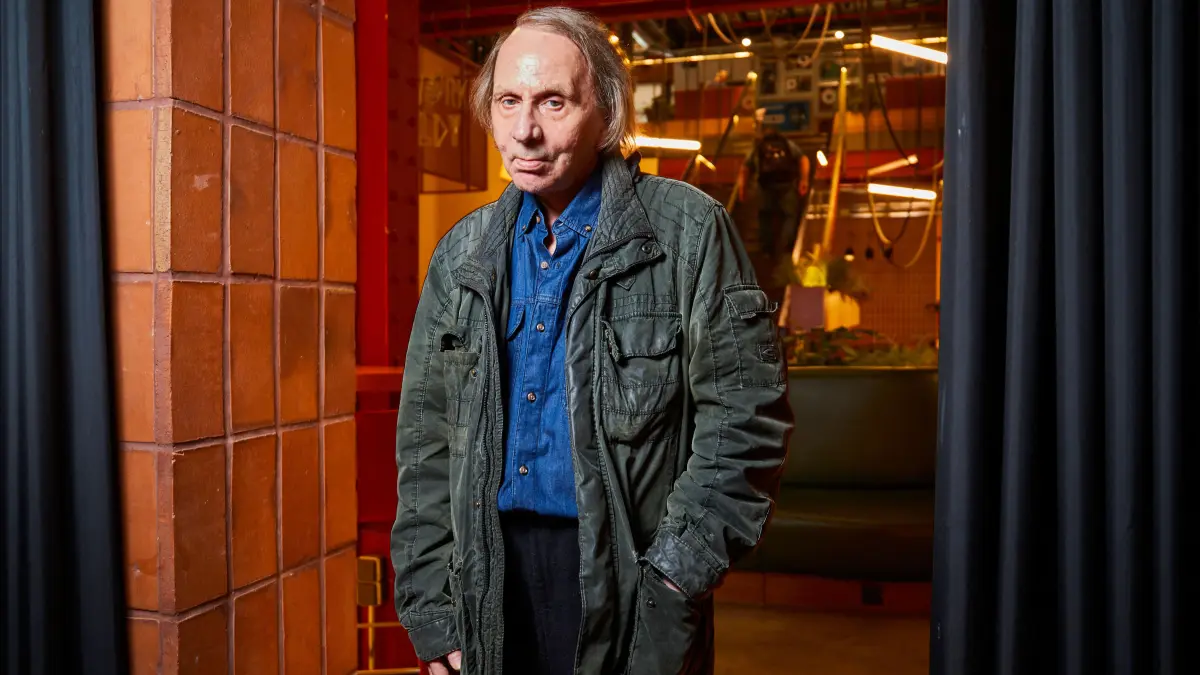
The lights had dimmed, the vibrato had faded and the musicians had left the stage, but the audience was clapping, cheering and demanding an encore. “Michel, on t’aime!” — we love you — came a cry from the balcony seats.
The star duly returned for a grand finale. Balding and slightly stooped, he mumbled an inaudible response before concluding a uniquely Parisian show that involved setting the demise of western civilisation to music.
Michel Houellebecq — viewed by his supporters as the greatest French writer of his generation, by his detractors as the intellectual figurehead of extremist toxicity — has temporarily put aside his pen in favour of a microphone. He is giving a series of concerts that feature a recital of his gloom-laden poetry against the backdrop of melodies written by Frédéric Lo, a French composer who previously worked with Pete Doherty.
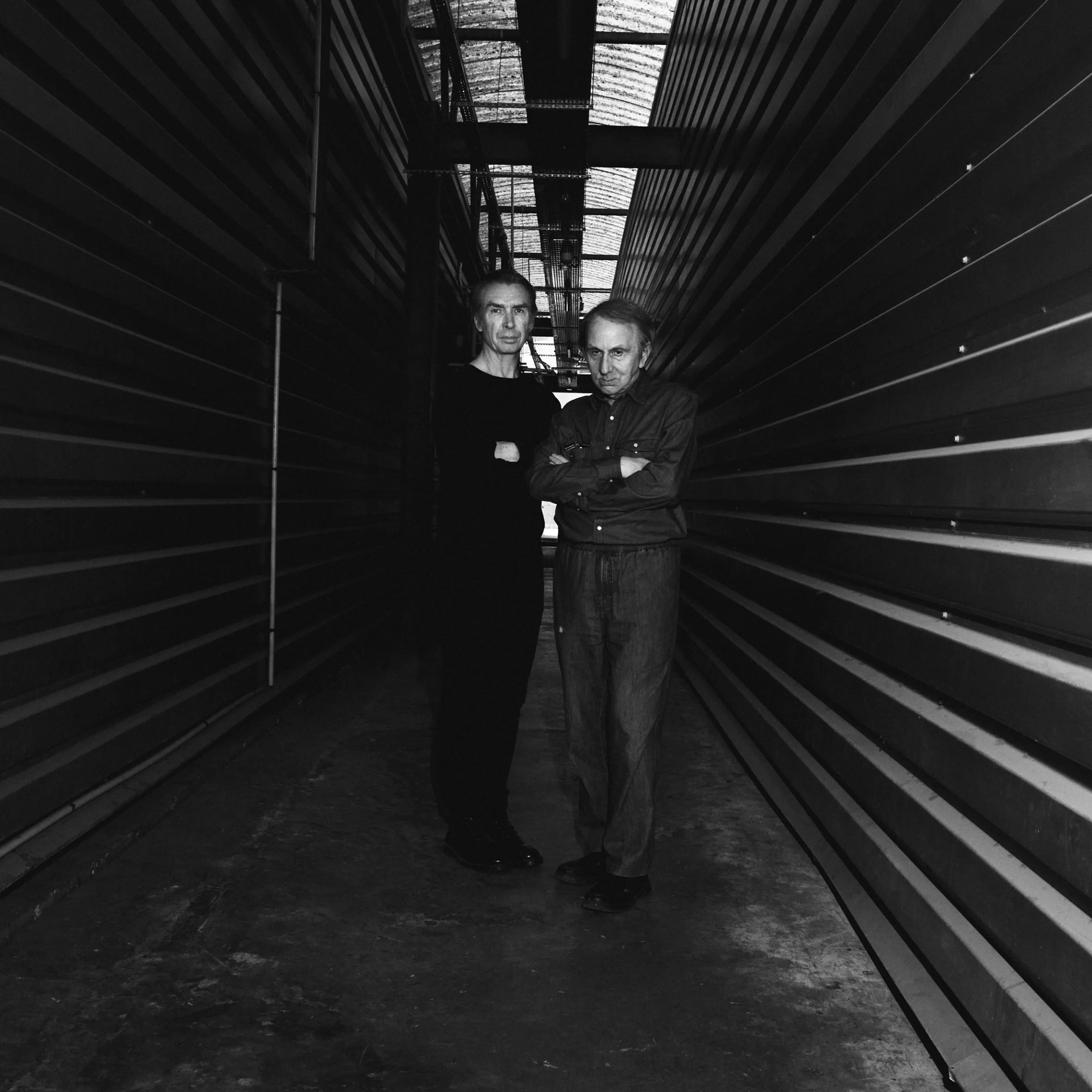 Houellebecq collaborated with composer Frédéric LoNicolas Despis
Houellebecq, 70, is known for novels such as Atomised, Platform and The Map and the Territory, but has also produced more than a dozen collections of poems. The latest, Combat Toujours Perdant — An Ever Losing Battle — came out this year and covers the themes that have earned the author admiration and loathing in equal measure: the decline of the West in the face immigration and Islam, the threat of war, human solitude and the escape into sexual adventure.
There is talk of the “invasion of the Barbarians”, of a civilisational conflict, of western apathy in the face of looming civil war, of a vain search for solace in “recourse to whores”. There is even a passage in English that includes the line: “My sex drive is still very present and sometimes bothers me.”
Six of the poems, along with six from previous collections, are set to music in an album that Houellebecq and Lo brought out last month, the title alone summarising the writer’s bleak outlook on life: Souvenez-Vous de L’homme, or Remember Mankind.
Asked in a television interview why he had not tasked actors with declaiming his poems, he said it would have taken too long to explain the meaning of his words to them, and preferred to do it himself.
The concerts are based on the album. Houellebecq once described his style as “soft rap”, although now he prefers “sad techno”.
“We have often regretted being born in a cursed country,” is a line from the poem Les Contrées Solitaires (The Solitary Countries). “Whilst waiting for death to rain down, we seek some tactile joys,” is another from Perdu dans des Rêves Inutiles (Lost in Useless Dreams).
They were recited to the sound of Lo’s surprisingly upbeat tunes, which range from dreamy guitars to something approaching an electro beat, accompanied by flashing lights.
On the face of it, the combination seemed unlikely. In practice, the composer, who was once credited with helping Doherty to end his drug addiction, managed to turn Houellebecq’s prophecies of doom into an entertaining evening, at least as far as the Parisian audience was concerned.
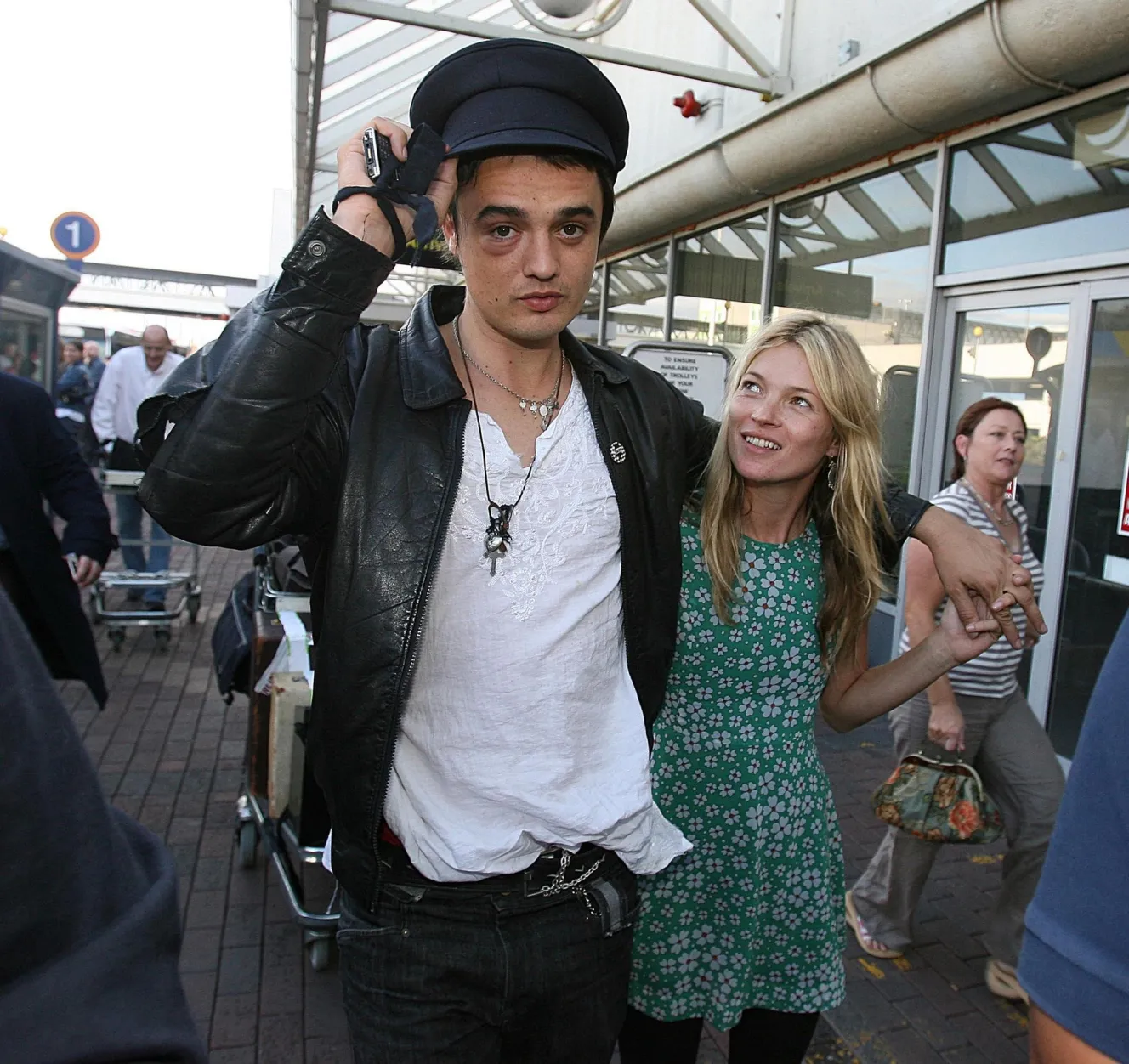 Pete Doherty was another of composer Frédéric L’s collaboratorsJulien Behal/PA
They whistled, whooped and laughed at Houellebecq’s mumbled ad-libs during the 80-minute concert on Thursday in La Scala, a venue that has had several previous lives: cabaret hall, arthouse cinema and, towards the end of the 20th century, Paris’s first porn multiplex.
The setting was perhaps appropriate for a writer who himself had a role in a Dutch porn film in 2023 — unwittingly, he claimed, arguing that he had been tricked into taking part. That episode provoked a minor controversy at the time, although in a country that has long placed intellectuals on a pedestal, Houellebecq has since been forgiven, notably by right-wing media outlets that depict him as an oracle.
Le Figaro, for instance, was fulsome in its praise of his concert performance, likening him to Serge Gainsbourg, the 20th-century singer-songwriter whose lyrics were spoken as much as sung.
Other critics said Houellebecq was heir to a long line of French authors who have delved into the depths of the human soul in a literary quest that has helped to shape the national psyche, at least if polls showing France to be among the world’s most pessimistic nations are to be believed. Some compared him to Baudelaire, the 19th-century poet who was the master of spleen.
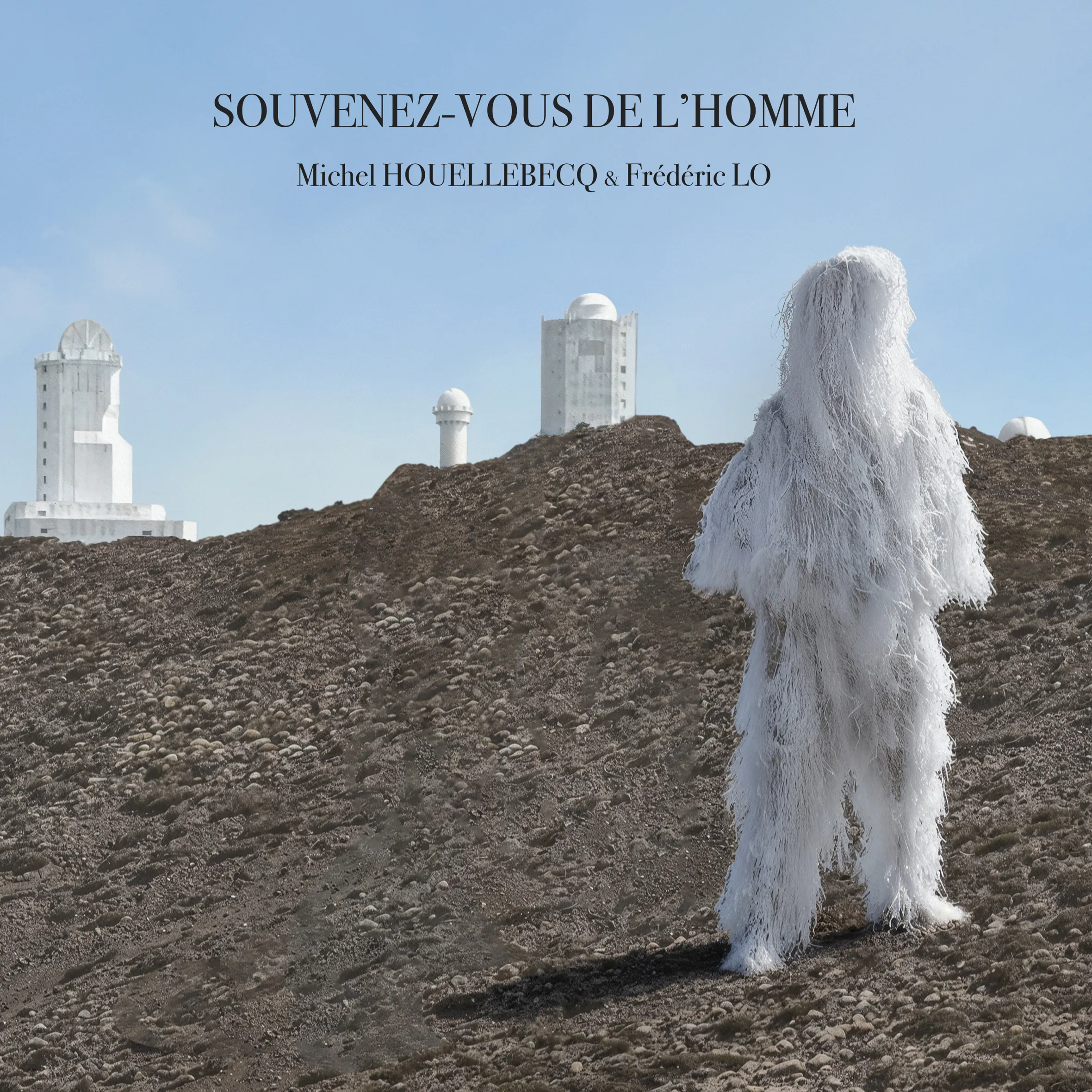 Six of the poems, along with six from previous collections, are set to music in an album that Houellebecq and Lo brought out last monthXAVIER VEILHAN/MICHEL HOULLEBECQ/YANNICK LE VAILLANT
Left-wing critics, aghast at his repeated attacks on multiculturalism and feminism, were less enthusiastic. Libération’s reviewer, for instance, described Houellebecq as a “cryptofascist” and said he walked out of the concert after 15 minutes, unable to stand the “methodical pessimism”.
Houellebecq’s demeanour is generally in keeping with his world vision. In interviews, he mostly looks and sounds miserable, rarely articulating answers to questions and often staring at the floor.
Yet he appeared to be boosted up by Lo’s music. With the concert nearing an end, he suddenly started to sing the final poem, Il Existe Un Pays (There Exists a Country). The voice was a little shaky and not always in tune, but it served as proof that even the most pessimistic of Parisian intellectuals can cheer up from time to time.