
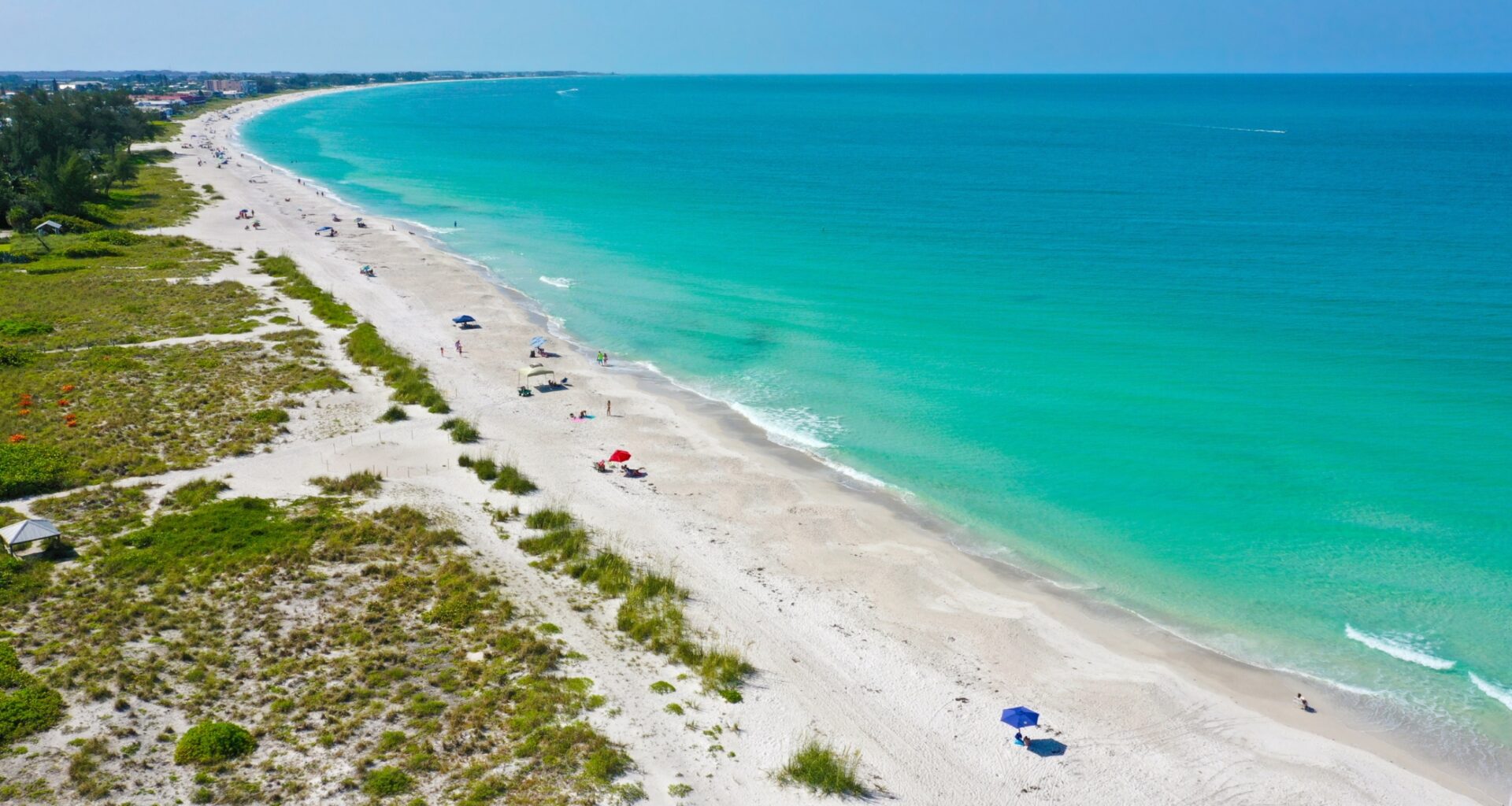
Coastlines are under pressure. Storms hit harder, tides creep higher, and waves chew away at land that people depend on.
For decades, the usual answer has been concrete walls and heavy engineering. They work, but they don’t adapt. And they don’t grow.

Now, scientists are testing something very different. Instead of holding the ocean back with rigid structures, they’re building systems that behave more like nature itself.
The idea is simple but bold: create reefs that can soften waves, rebuild over time, and support marine life all at once.
A reef that builds itself
This new approach centers on a hybrid reef system. It starts with engineered materials, then lets living organisms take over.
Over time, oysters and other marine life settle in, turning the structure into a living reef that keeps getting stronger.
The work comes from an international team, including researchers from Rutgers University. Their findings were published after a series of detailed tests along the Florida Panhandle.
David Bushek is a professor in the Department of Marine and Coastal Studies at the Rutgers School of Environmental and Biological Studies and a lead author of the study.
“We set out to build a kind of living reef, something that combines natural and engineered materials and can repair itself over time, to help protect coastlines from flooding, erosion and storm damage that are putting both communities and critical infrastructure at risk,” said Professor Bushek.
“So far, the results are encouraging. What we built is working.”
A functional living reef system
The reef was installed offshore near Tyndall Air Force Base in Florida. That location wasn’t random. The base took a direct hit from Hurricane Michael in 2018, suffering heavy damage.
After that, defense officials began searching for better ways to protect vulnerable coastlines.
The installation took place between October 2024 and March 2025 as part of the Defense Advanced Research Projects Agency’s Reefense program.
Researchers used modular, porous concrete units designed to break up incoming waves. These units didn’t stay bare for long. Marine life quickly moved in, forming a natural layer over the structure.
What started as a man-made framework began turning into a functioning reef system, blending with nearby marshes and seagrass beds. The researchers call this combined setup a Living Shoreline MosaicTM.
A sharp drop in wave power
The results stand out. Measurements from the site show the reef reduced wave power by more than 90 percent. That kind of drop can make a major difference during storms, when wave energy drives flooding and erosion.
The team didn’t rely on a single test. They used field data, computer models, and ongoing monitoring to track how waves, sediment, and the growing reef interacted over time.
The system didn’t just hold up. It improved as the reef developed.
In coastal engineering, lowering wave energy is the main way to protect shorelines. Traditional breakwaters do this by blocking or absorbing waves.
This reef works in a similar way but adds something extra. It grows. As oysters and other organisms build onto it, the structure becomes more effective without needing constant repairs.
Working with nature, not against it
For years, coastal protection has leaned on hard barriers. Seawalls and bulkheads can stop waves, but they often come with trade-offs. They can disrupt ecosystems and sometimes make erosion worse in nearby areas.
This hybrid reef takes a different path. It doesn’t fight natural processes – it uses them. The living components strengthen the structure while also supporting marine habitats. That means better protection and healthier ecosystems at the same time.
“The Reefense ModulesTM and Living Shoreline MosaicTM strategy advance the field of nature-based solutions for shoreline protection and can be applied anywhere oysters form reefs,” Bushek said.
“In the face of increasing storms and rising seas, it is critical to develop strategies that protect our coasts.”
Helping coastlines heal themselves
Oyster reefs once lined many coastlines, acting as natural buffers. Over time, pollution, overharvesting, and development wiped out large portions of them.
Rebuilding those systems has become a focus for scientists and coastal planners.
This new work shows that combining engineering with biology can speed up that process. Instead of waiting decades for reefs to form on their own, these hybrid systems give them a head start.
If the results continue to hold, this approach could reshape how communities prepare for rising seas. It offers a way to protect shorelines while restoring parts of the natural environment that once did the job on their own.
The ocean isn’t getting any calmer. But solutions like this suggest that working with nature might be the smartest way forward.
The full study was published in the journal Proceedings of the National Academy of Sciences.
—–
Like what you read? Subscribe to our newsletter for engaging articles, exclusive content, and the latest updates.
Check us out on EarthSnap, a free app brought to you by Eric Ralls and Earth.com.
—–