
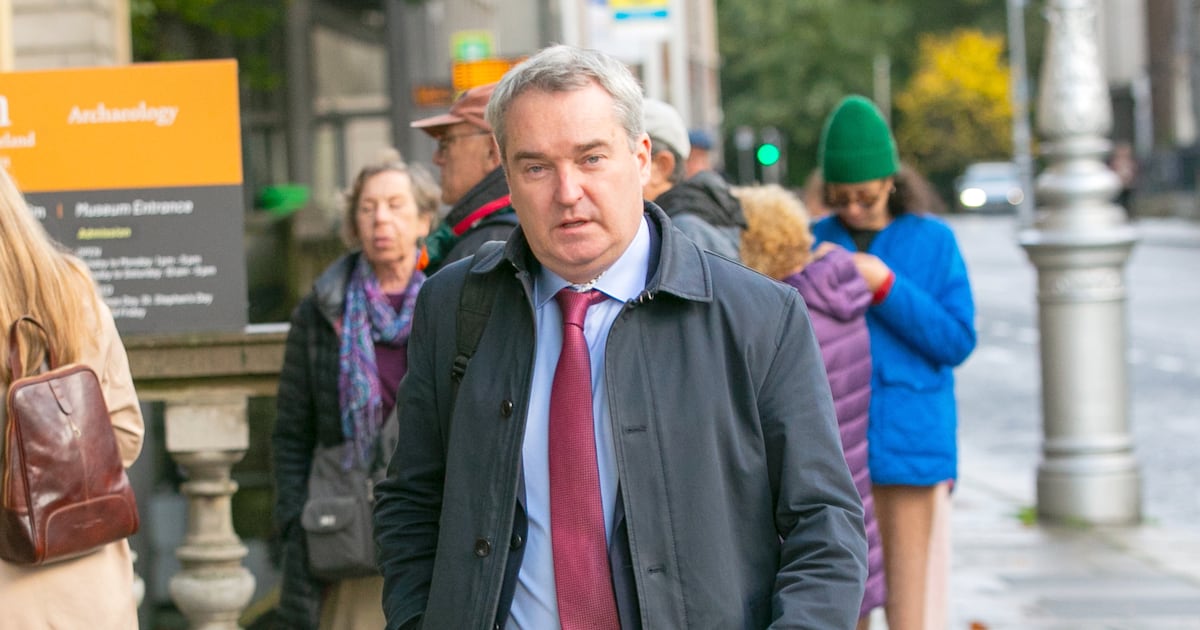
The former top civil servant in the Department of Health, Robert Watt, is expected to be named as head of a new entity designed to drive the regeneration of Dublin city centre.
Watt’s appointment was due to be discussed by Coalition leaders on Monday evening. If approved it was planned to go to Cabinet for sign-off on Tuesday. It will see his salary drop from its previous level in the Department of Health.
Sources suggested he will be paid €280,000 a year, equivalent to a top-level secretary general leading a Government department.
His salary in the Department of Health was €297,000 annually in 2022, a figure which was likely to have increased due to Civil Service pay agreements since then. He stepped down as head of the department earlier this month when his term expired.
The role will be as chief executive of the Dublin City Regeneration Authority, which will be set up as a Special Purpose Vehicle (SPV) to put into effect the findings of the Dublin city taskforce, which reported in 2024.
In addition to the general regeneration brief, the authority will also examine matters such as the future of the GPO, and living above the shop initiatives.
The appointment will be made via a secondment in the Department of Housing and the authority will be organised initially under Dublin City Council. Legislation may be introduced to put it on a stand-alone basis in the future.
The Department of Health salary approved for Watt caused controversy after his initial appointment on an interim basis was made.
At that time, the approved salary was €81,000 higher than Watt’s existing salary of €211,000, which he earned as secretary general of the Department of Public Expenditure.
When he was appointed on a permanent basis, he waived the increased portion of his salary, but the Department of Health later confirmed he would accept the full salary.
Watt has had a high-profile career in the public service after earlier working in the private sector. He joined the Department of Finance and then became secretary general of the newly created Department of Public Expenditure in 2011.
He had a reputation as a reformer, but his role in holding the line on spending during the downturn led to confrontations as well. He was appointed to the Department of Health during the Covid pandemic, and was seen as improving the management of the response to the virus and a key figure in the State’s response.
However, he also found himself fighting controversy over his role in the abandoned secondment of former chief medical officer Dr Tony Holohan to a position in Trinity College Dublin, which led to tense exchanges with Government officials and Oireachtas committees.