
Corals can be bred for stronger resilience to heatwaves, but only when selection targets the traits that truly predict it, according to a new study.
The research narrows a growing effort to save reefs, showing that the wrong test can send conservation in the wrong direction.
A coral family map

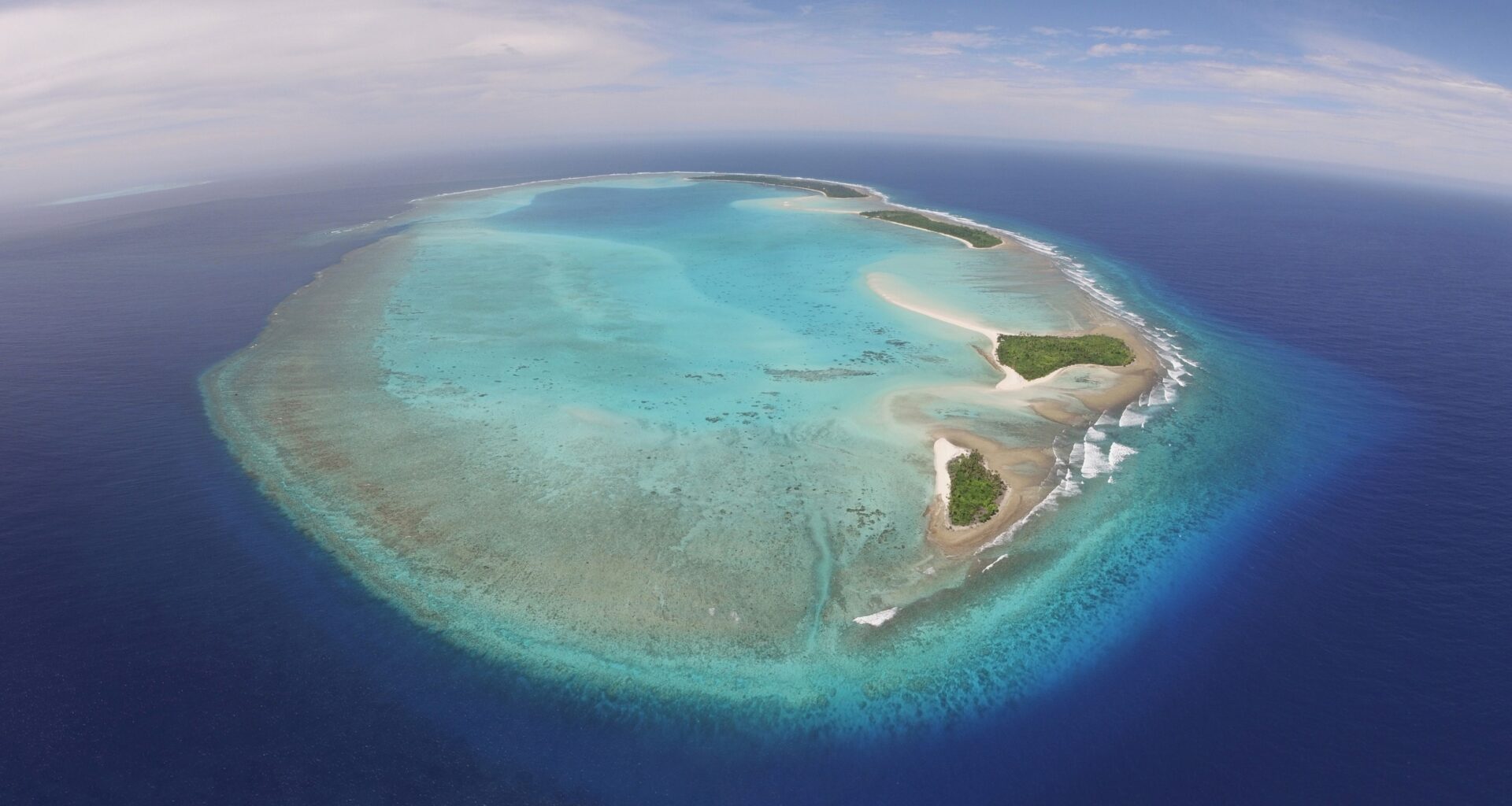
In the western Pacific island nation of Palau, related corals with known family ties revealed which inherited strengths actually hold up in dangerous heat.
Reading those lineages across years, Dr. Liam Lachs of the University of Queensland, (UQ) linked the clearest survival gains to the traits that tracked real heatwave endurance.
The evidence showed why some commonly used signs of stress resistance do not point to the same kind of protection, even when they look useful at first.
The result sets a firm boundary around coral breeding efforts and opens the next question of which heat tests deserve trust.
Survival needs precision
Host-focused assisted evolution, helping corals adapt by choosing parents, targets the coral animal instead of swapping its algae.
In the new coral study, long heatwave endurance improved most when selection targeted that same trait directly in simulations.
Faster traits helped less, because their inherited signals only partly matched the stress that kills reefs over weeks.
Conservation breeding therefore needs to ask which trait predicts survival, not which trait is easiest to test before selecting parents.
Different heat tests
The team exposed coral fragments to four heat challenges, from a month at 90.5 degrees Fahrenheit to a three-hour heat shock.
Long exposure caused bleaching – a stress response that expels helpful algae – and death in different fragments.
Shorter, hotter exposures killed tissue quickly, showing that extreme heat can injure corals without the usual pale warning.
Rapid shock measured algae performance after 101.3 degrees Fahrenheit stress, but that signal did not predict host survival during longer heatwaves.
No obvious trade-offs
Heat tolerance could have carried hidden costs, since stronger survival might weaken growth, reproduction, or skeleton building.
Using genetic correlations, the researchers found no penalty joining heat tolerance to poorer performance elsewhere.
“But encouragingly, we found no detectable negative genetic correlations among any traits; good news for assisted evolution interventions,” Lachs said.
That result does not prove every cost is absent, but it removes one feared barrier for breeding programs.
Selection must be harsh
Meaningful gains required repeated choices in a nursery, not one lucky rescue after a single hot summer.
Under the strongest selection scenarios, breeders may need the top 1-5% most tolerant corals as broodstock, parents chosen to produce the next generation.
Repeated over generations, that pressure could raise survival enough to match some mid-century heatwave levels expected on reefs.
Such forceful selection also makes the project harder, because managers must find many exceptional corals before breeding begins.
Diversity still matters
Tight selection can reduce genetic diversity, the range of inherited variation, leaving reefs with fewer future options over time.
Breeding plans must avoid inbreeding, mating between close relatives with shared ancestry, while limiting risky crosses between distant populations.
For one benchmark, finding 100 top 1% parents could require testing about 10,000 colonies in the field.
Numbers like that show why a promising experiment may still struggle to become restoration across many reefs.
Wild reefs face limits
Wild reefs can adapt when heat kills vulnerable corals, but that process moves slowly in long-lived species across generations.
Repeated mass bleaching has struck reefs more often as ocean heat rises, and a global analysis tied that pattern to warming.
Future heatwaves may favor different inherited traits, because slow warming and sudden spikes harm corals differently inside the same species.
Natural selection alone may therefore favor past survivors without preparing reefs for the next hotter event on a warming reef.
Breeding is not a climate substitute
Assisted breeding cannot cool the ocean, and coral gains can vanish if heat keeps rising for long.
A major climate assessment places emissions cuts at the center, because less trapped heat lowers future ocean extremes.
Local restoration can still buy time, especially for key species on reefs managers can monitor closely year after year.
Useful intervention therefore pairs emissions cuts with local care, rather than treating breeding as a replacement for climate action.
Future research directions
Better screening must find corals that survive realistic heatwaves, not just those that pass quick stress checks under field conditions.
New biomarkers, measurable biological clues inside tissue, could help reef managers spot tolerant hosts faster in practice.
Field trials then need to test whether selected offspring grow, reproduce, and survive after release on damaged reefs.
Success will likely appear in targeted nurseries first, not across whole reef systems at once during early programs.
Coral breeding looks most useful when it selects the right survival trait, protects diversity, and stays tied to emissions cuts.
Careful programs may preserve valuable coral lineages, but they cannot rescue reefs from unchecked warming or mass mortality alone.
The study is published in the journal Current Biology.
—–
Like what you read? Subscribe to our newsletter for engaging articles, exclusive content, and the latest updates.
Check us out on EarthSnap, a free app brought to you by Eric Ralls and Earth.com.
—–