
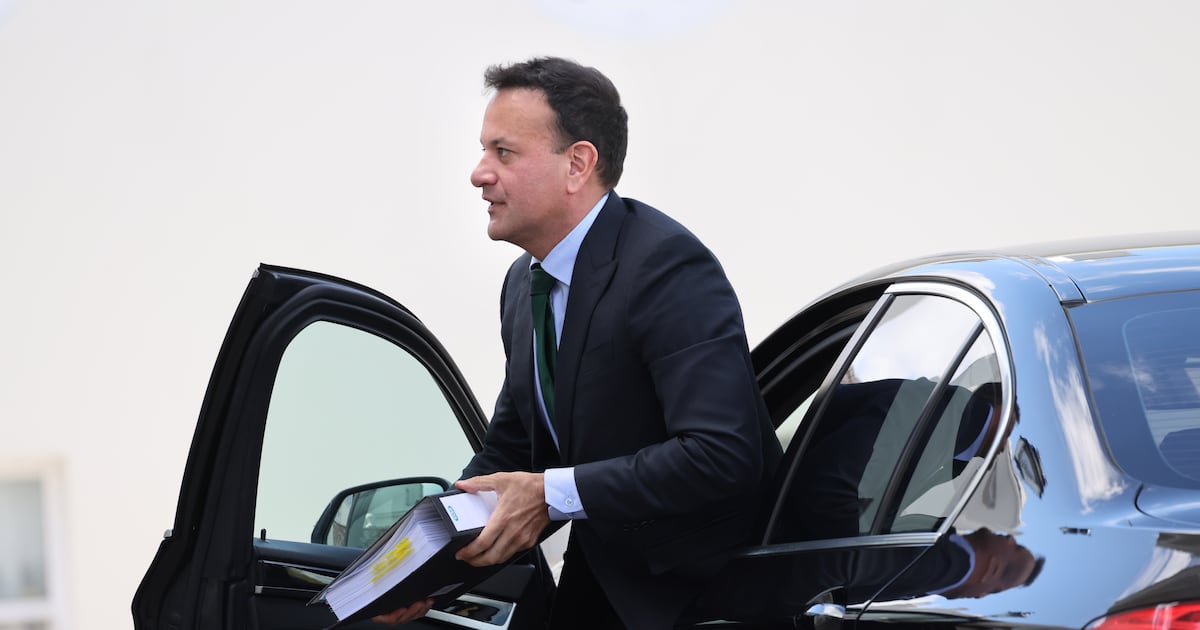
Former taoiseach Leo Varadkar has said he went too far and “over-stated” his case in comments on rural Ireland which have caused a backlash, including from the party he used to lead.
He on Wednesday said he did not “set out to be divisive or offend anyone and [I] apologise for that”.
Speaking on the Path to Power podcast last week, the former Fine Gael leader said: “What’s in the interest of farmers and the agriculture industry is by and large not in the interest of Ireland as a nation.”
He said people in rural Ireland often suggested they were the “real workers” and “paying all the bills”, but urban Ireland was in fact paying more while rural residents are “in receipt of a lot of subsidies and a lot of tax benefits that other people don’t get”.
Varadkar told The Irish Times he stood over some of the points he made, arguing the vast majority of tax is paid in urban Ireland while 80 per cent of food is imported in to the State.
But he added: “[I] went too far and over-stated my case on certain other points.”
Varadkar had faced criticism, including from Fine Gael TDs representing largely rural constituencies.
Tipperary South’s Michael Murphy said he would raise the matter at the weekly meeting of the party’s TDs and Senators. Murphy said he was “very angry” and “concerned” about the comments.
The TD said in the wake of fuel protests Varadkar’s “timing couldn’t have been worse”. He said Varadkar’s words suggested “an out-of-touch mentality”.
“I’m deeply angered by the comments, I have to be very honest,” Murphy said, saying there was a lot of anger within the Fine Gael parliamentary party.
Cavan-Monaghan TD David Maxwell earlier this week said the comments were “ill-judged” and “ill-timed”, arguing rural Ireland was a “very important part of the Irish economy”.
Wicklow-Wexford TD Brian Brennan said the comments were “way out of order”, while Clare TD Joe Cooney said Varadkar’s was an “awful statement” and one “I wouldn’t be supporting”.
“A statement like that I don’t think is supporting rural Ireland and I’m very disappointed with it,” he said, adding that he felt it was “putting urban ahead of rural”.