
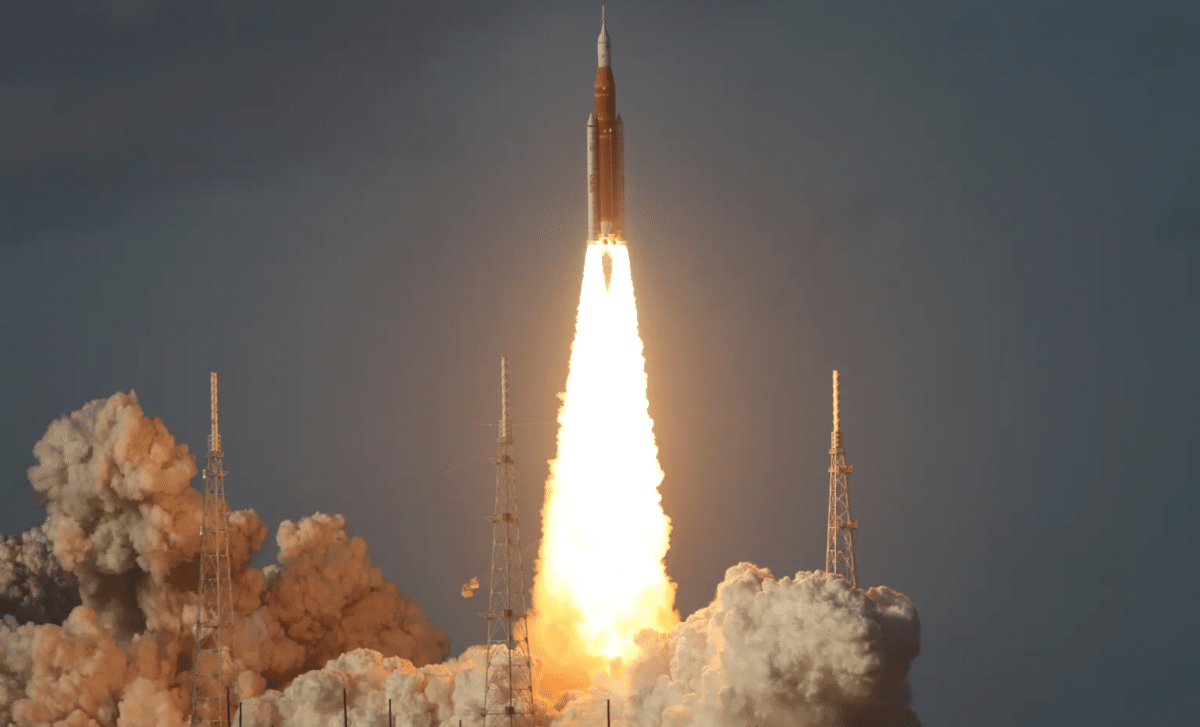
NASA’s Artemis II mission, which successfully splashed down in April, marks a pivotal milestone in the agency’s journey to returning humans to the Moon and beyond. Initial assessments from this mission, conducted by NASA engineers, reveal vital insights that will shape the next phase of lunar exploration and future missions to Mars.
NASA’s Artemis II Mission: A Critical Step Toward Lunar Exploration
NASA’s Artemis II mission has made history, not just for its successful journey around the Moon, but for the wealth of data it provided, paving the way for future lunar missions and beyond. The mission, which saw the Orion spacecraft return safely to Earth after a 694,481-mile journey, is the first crewed test flight under the Artemis program. According to NASA, the mission’s significance is far-reaching, with Artemis II providing critical feedback on the spacecraft’s systems, the SLS (Space Launch System) rocket, and ground support infrastructure at NASA’s Kennedy Space Center. These insights will directly influence Artemis III, planned for 2027, and future missions that aim to return humans to the Moon’s surface and eventually explore Mars.
The Orion Spacecraft’s Performance: Safeguarding Crew and Systems
A key component of the Artemis II mission, the Orion spacecraft, was designed to safely carry astronauts to the Moon and back. Upon reentry, Orion’s thermal protection system faced the extreme conditions of reentering Earth’s atmosphere at nearly 35 times the speed of sound. NASA engineers were thrilled to find that the system performed flawlessly, with no unusual conditions noted. Even more promising, the initial assessments showed that the heat shield had significantly less char loss compared to the Artemis I mission, indicating improved performance. These findings are crucial as they suggest that the spacecraft’s protective systems are more than ready for the challenging conditions of future crewed missions.
Moreover, imagery taken during reentry, as well as the ongoing analysis of heat shield data, will provide deeper insights into the spacecraft’s behavior under intense pressure. Orion’s crew module will undergo further inspections at NASA’s Kennedy Space Center before its heat shield is sent to the Marshall Space Flight Center for more detailed analysis. These steps are vital for ensuring the spacecraft’s readiness for future deep space missions.
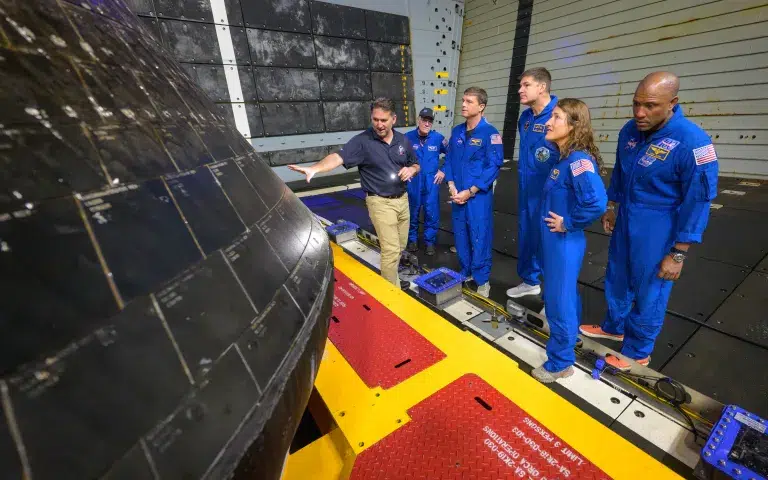 Luis Saucedo, NASA’s acting Orion vehicle integration manager, left, inspects the Orion spacecraft with Richard Scheuring, NASA Flight Surgeon, and NASA astronaut Reid Wiseman, CSA (Canadian Space Agency) astronaut Jeremy Hansen, and NASA astronauts Christina Koch and Victor Glover in the well deck of USS John P. Murtha, on Saturday, April 11, 2026, in the Pacific Ocean off the coast of California.
Credit: NASA/Bill Ingalls
Reaching New Heights of Space Travel
The Artemis II mission also tested NASA’s Space Launch System (SLS), a powerful rocket that is set to become the backbone of Artemis missions. Upon launch, the SLS demonstrated flawless performance, achieving the precise velocity needed for Orion’s orbital insertion. At main engine cutoff, the rocket was traveling at over 18,000 miles per hour, delivering the spacecraft to the exact location required for its journey around the Moon. This success speaks volumes about the SLS’s capability, particularly given the immense power required for launching large payloads and humans into deep space.
Engineers are continuing to study the data from the mission, but the early assessment indicates that the rocket will be a reliable tool for future lunar missions and potentially Mars missions. With each successful test flight, NASA is one step closer to fulfilling its vision of deep space exploration.
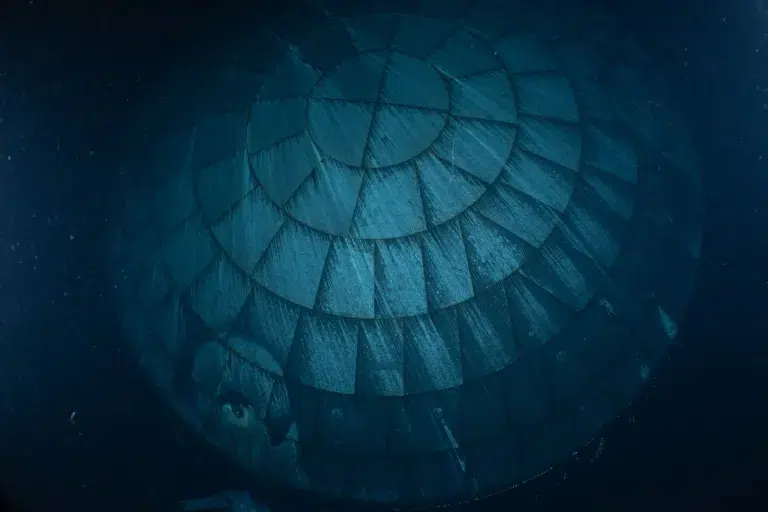 Shortly after Artemis II splashdown on Friday, April 10, 2026, U.S. Navy divers captured underwater imagery of the Orion spacecraft’s heat shield.
Credit: U.S. Navy
Testing Infrastructure for Future Missions
NASA’s Exploration Ground Systems team has been hard at work improving the infrastructure required for launching Artemis missions. After Artemis II’s launch, engineers conducted a comprehensive review of the mobile launcher and launch pad. Thanks to lessons learned from the Artemis I mission, the mobile launcher and other pad systems were reinforced, which helped mitigate damage from the intense blast during booster ignition. NASA also adapted some components to be more flexible and others to be more rigid, ensuring that critical systems like pneumatics and cooling remain operational post-launch.
These ground system enhancements ensure that the infrastructure can handle the power and energy demands of future Artemis missions without compromising the reliability of essential systems. With the Artemis II mission proving these upgrades effective, NASA is confident that upcoming launches will proceed smoothly.