
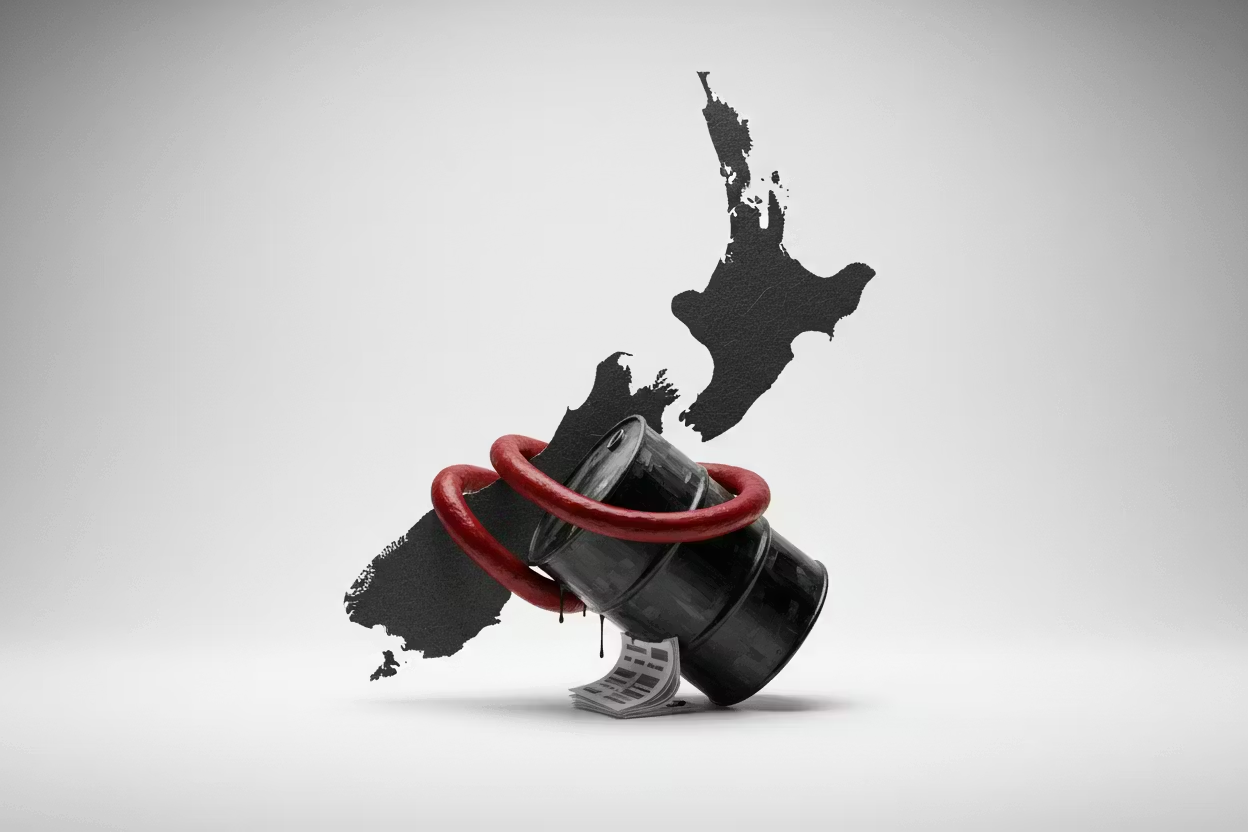
Bank of New Zealand’s one percent to three percent target band, which keeps the option of higher interest rates on the table. Meanwhile Moody’s, a credit rating agency, kept New Zealand at Aaa but cut its outlook to negative, signaling rising concern about the country’s future budget path.
Why should I care?
For markets: Oil is setting the tone.
Energy costs feed into transport and business inputs, so inflation can stay stubborn even when demand cools. If price growth stays above target, investors may start to expect interest rates to remain high for longer, which can weigh on rate-sensitive areas like housing and heavily indebted companies. Moody’s negative outlook doesn’t change the Aaa rating today, but it can make government spending and tax decisions more important to bond investors – and more likely to move the New Zealand dollar.
The bigger picture: External shocks hit small economies harder.
New Zealand imports most of its refined fuel, so global energy spikes can filter through quickly, while policy responses take time. That creates the central bank’s least favorite mix – weaker growth alongside hotter inflation – forcing tougher trade-offs between supporting jobs and cooling prices. A key checkpoint is May 28, when the government delivers its budget alongside updated forecasts for growth, inflation, and unemployment.