
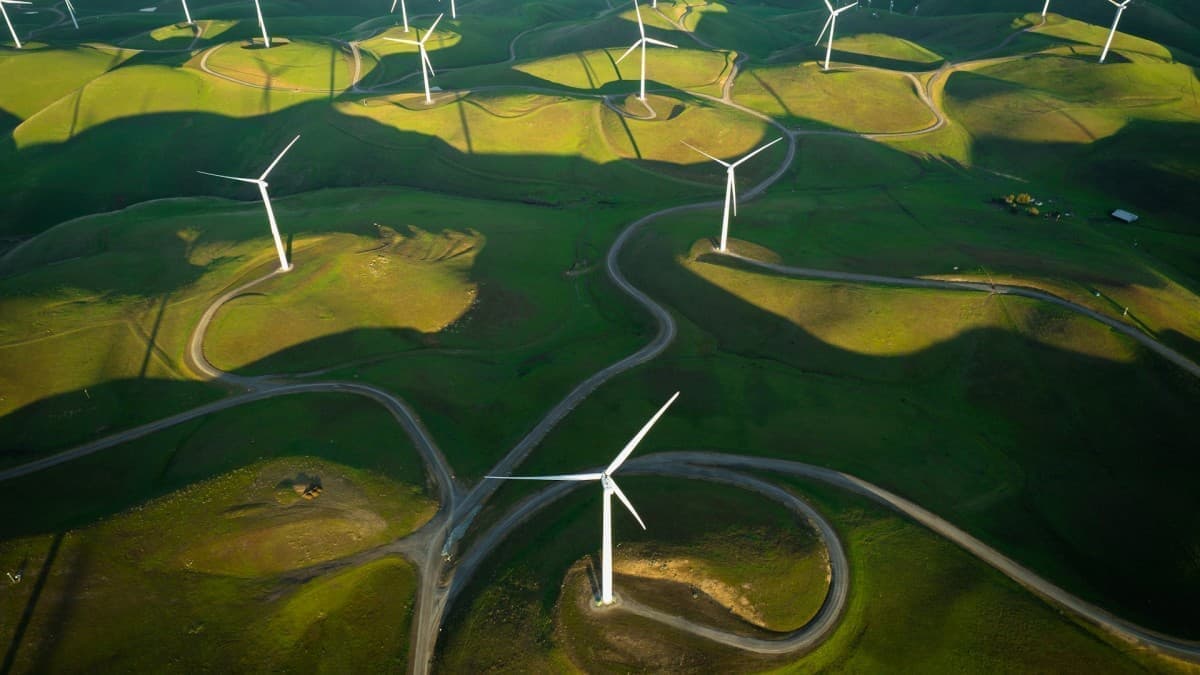
The global energy crisis could be fomenting a massive surge of clean energy tech adoption and innovation as countries around the world scramble to replace the fossil fuel imports they typically depend on. Thanks to the lengthy closure of the Strait of Hormuz – Tehran’s response to the United States’ and Israel’s attack on Iran – the cost of oil and gas has skyrocketed in global markets as competition heats up over increasingly scarce supplies. This market shock is providing fresh incentive for a rapid clean energy transition, as home-grown solar and wind power are comparatively affordable, and, critically, are not vulnerable to the same geopolitical threats.
The timing could not be better in terms of global decarbonization targets. But while a wave of clean energy tech advances is absolutely critical for the world’s chances at getting on track to meet mid-century climate goals, there is massive inertia baked into energy policy at all levels, threatening to kneecap the sector’s transformative potential. Energy executives are therefore begging world leaders to cut back on excessive red tape in order to let critical clean energy innovations hit the market faster.
“The level of technology that we have access to is always changing,” Kyle Clark, president and CEO of BETA Technologies, recently told Semafor, a nonpartisan news outlet. “The next step, ironically, is to continue to expand our regulatory acceptance of new technologies. The physics work. We just need the regulation to really get these things out”.
Energy and tech leaders have been making similar pleas for years. The issue isn’t just with new and emerging technologies that have to prove their efficacy and reliability in order to get policy approval. Issues with permitting are also plaguing well-established clean energy sectors, such as the solar and wind power industries. “The gears of progress are often jammed by a convoluted web of separate approvals required from local, state, interstate, and federal authorities,” stated a June 2024 report from Deloitte. As a result, “new energy providers can expect a four-year wait just to connect to the grid.” In fact, a different 2024 report by the International Energy Agency (IEA) found that it “often takes as long or longer to obtain permits and licenses for large-scale renewable energy projects as it does to build them.”
Set OilPrice.com as a preferred source in Google here.
Reflecting the scale of this issue, the EIA analysis also found that the COP 28’s Consensus goal of tripling renewable energy capacity by the end of the decade is only feasible if world governments cut down on lengthy permitting processes. And there is already proof that this approach is extremely effective. Germany saw its new installations of wind and solar power nearly double from 2022 to 2023, driven by a policy shift that sought to streamline the approval process.
“Permitting is one of the silver bullets of the energy transition,” said SolarPower Europe’s Jonathan Bonadio. “When we get the paperwork and bureaucratic procedures right, solar and renewables will have a true fighting chance.”
There is, however, some concern that energy tech startups may be too eager to slash regulations in the name of disruption. As Silicon Valley gets more involved in nuclear energy startups, for example, industry insiders are starting to get nervous about a new wave of disregard for traditional safety and oversight proceedings. This attitude seems to be catching – the Trump administration is also eager to do away with many of the regulations that keep the domestic nuclear sector rigorous in its safety proceedings – and which, indeed, keep it moving at a snail’s pace.
“The regulatory environment needs to expand and adapt to fast moving cleantech startups with radical propositions that could change the way we live and consume energy,” reports Semafor. But striking the right balance between deregulation and critical protections of public safety and public interest will be paramount to the success of the recently reinvigorated global clean energy transition – no mean feat in a political and geopolitical era characterized by conflict and stratification.
By Haley Zaremba for Oilprice.com