
In the news this morning from Aotearoa’s political economy around housing, climate and poverty:
Nicola Willis is confident oil prices will drop soon and save the economic recovery the Government has relied on to get re-elected, even though experts globally are increasingly concerned the Strait of Hormuz will stay closed for many more months and cause a global recession.
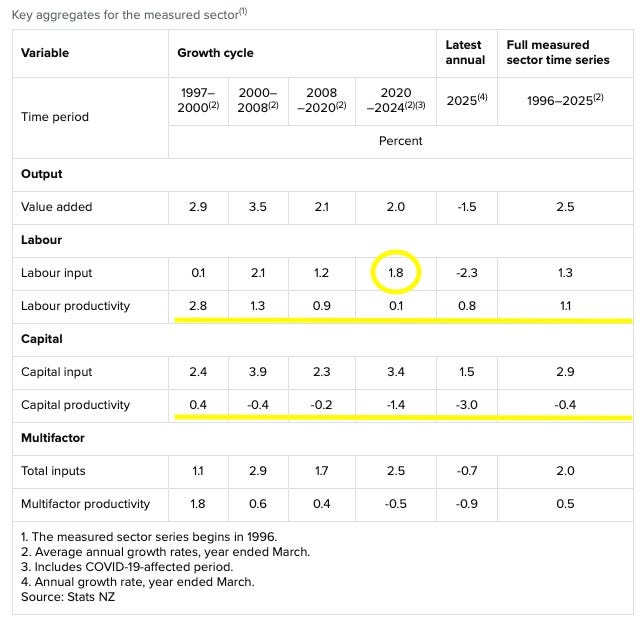
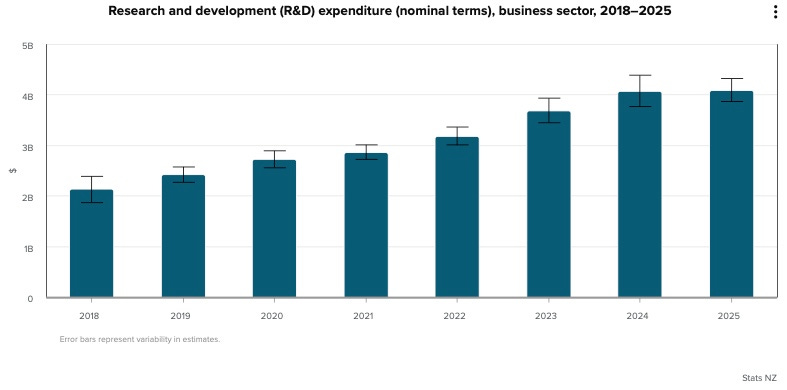
Productivity statistics published yesterday showed New Zealand’s labour productivity collapsed to barely a tenth of its long-run average in the four years after Covid. One reason is research and development investment remaining at half the OECD average, thanks to most businesses and households directing their savings instead to leveraged and still tax-free residential property worth $1.6 trillion.
Paying subscribers joined me for the recording of my daily Chorus above earlier today. I’ve opened all of this post up for all paying and non subscribers today as a sampler.
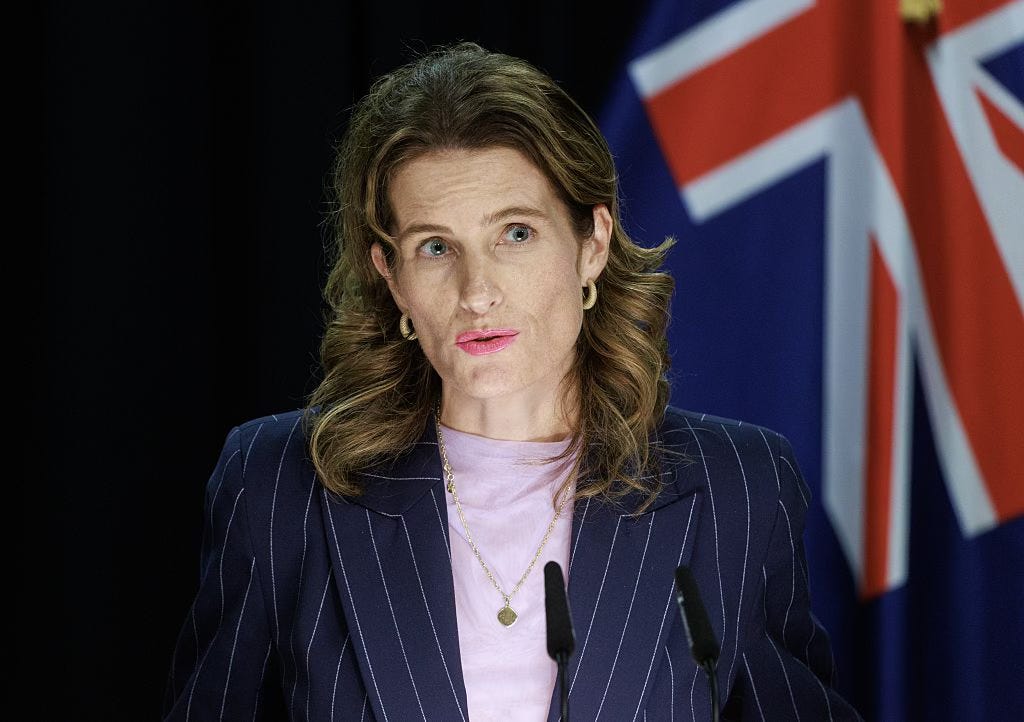 Finance Minister Nicola Willis thinks a long closure of the Strait with oil prices sustained over US$180/barrel is very unlikely, even though oil industry experts are increasingly seeing that scenario as more likely. Photo by Mark Mitchell /New Zealand Herald via Getty Images
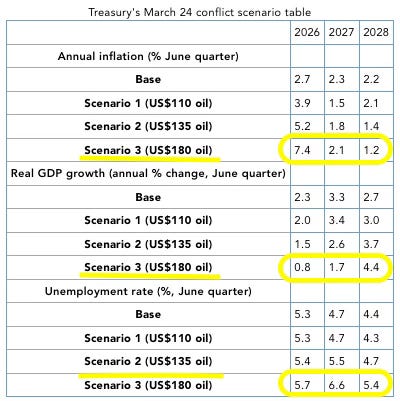
Finance Nicola Willis said yesterday she believed advice from Treasury that New Zealand’s economic recovery has only been delayed by the fuel crisis, rather than derailed. She said a rapid fall in the oil price was still the most likely scenario, rather than the worst-case scenario put forward by Treasury of an extended period of oil being US$180 a barrel or higher, which it forecast a month ago would lead to 0.8% GDP growth this year and 7.4% inflation.
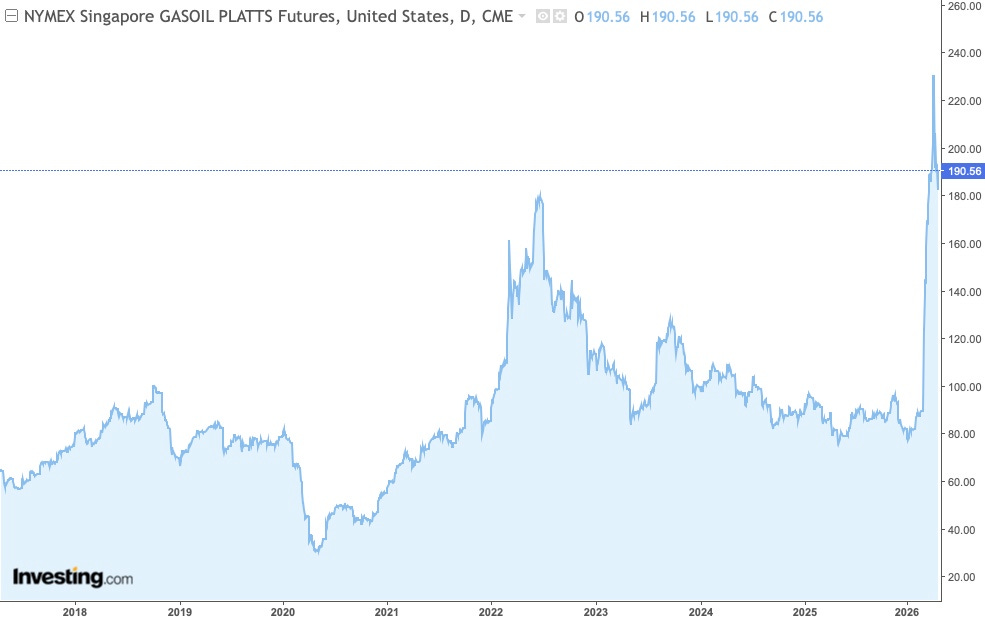
That confidence is despite the ‘wholesale’ price of diesel at Singapore’s refineries being US$193 a barrel yesterday and oil industry experts expecting the Strait of Hormuz to be closed for months, with many more months of constrained supply after that. The Economist-$ reported last night that global oil markets were on the ‘verge of disaster,’ the FT-$ reported oil industry executives warning this week of an unprecedented hit to the global economy.
This interview on Bloomberg TV with industry analyst Paul Sankey via Youtube captures the mood of the sector this week.
The US Navy also warned Congress overnight that it would take six months to clear mines from the Strait of Hormuz. Donald Trump has pledged to keep blockading the Strait until Iran agrees to give up its nuclear material. Iran doesn’t want to give up its nuclear ambitions, seeing what happened to Libya when it gave up its ambitions, and how North Korea is now untouched because it does have nuclear weapons. It has also discovered how much power it can wield over the United States and the rest of the world simply by throwing a few mines into a small patch of sea from a few speedboats.
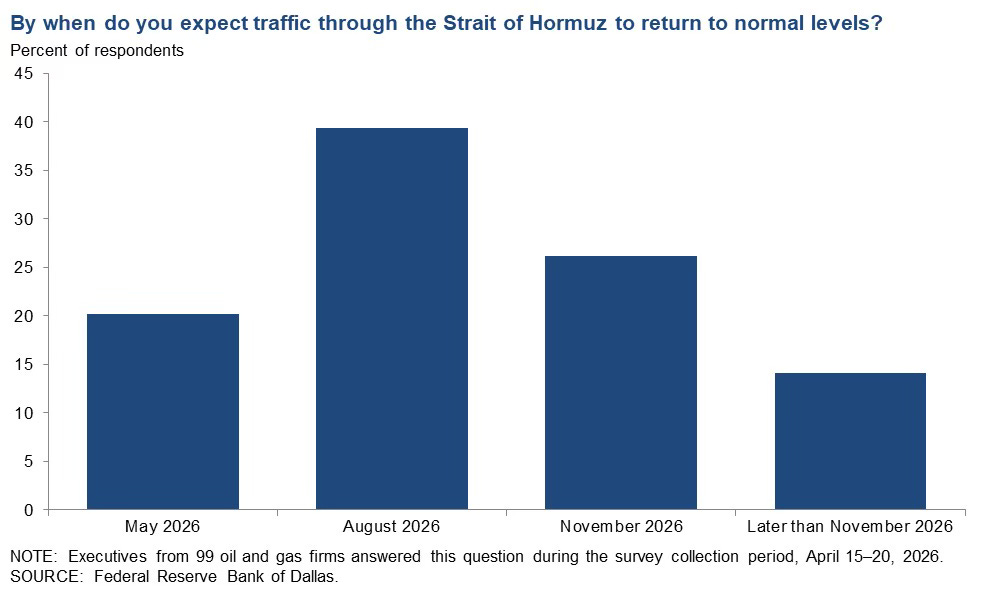
Prediction markets now see only a 60% chance of the Strait being open by the end of June, down from a 92% chance seen on April 18 immediately after a now-indefinitely-extended ceasefire was called. Most US oil and gas executives don’t expect the Strait to be opened until August at the soonest, with more than 30% expecting to remain closed beyond November, when New Zealand’s General Elections are scheduled.
Ka kite ano, Bernard