

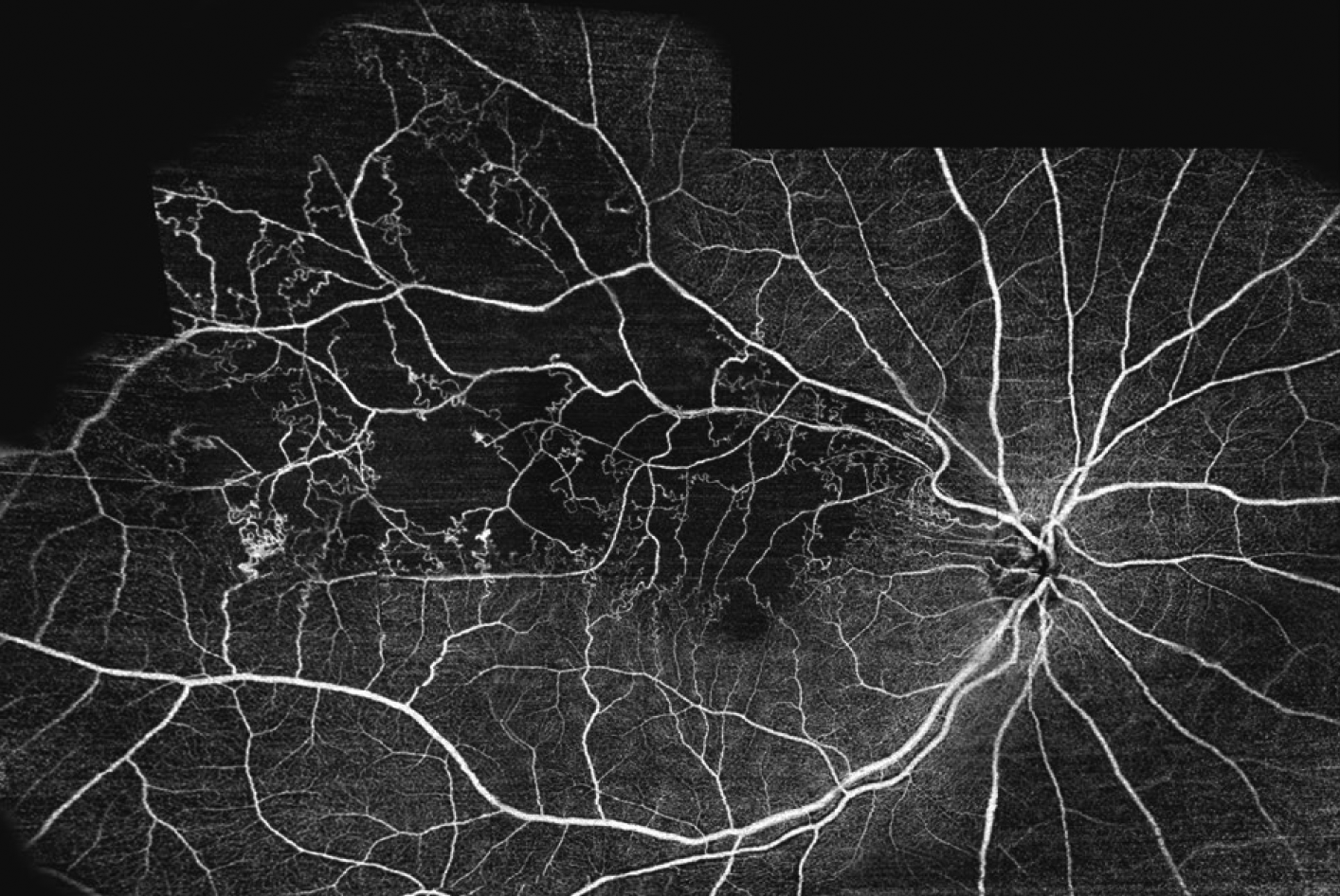
GLP-1 receptor agonists are a highly effective method of treating primarily type 2 diabetes by increasing insulin release, suppressing glucagon and slowing digestion. This study found a 30% lower risk of RVO in patients on the therapy. Photo: Topcon. Click image to enlarge.
A new study published in American Journal of Ophthalmology has found that GLP-1 agonists (such as semaglutide, liraglutide and dulaglutide) are associated with significantly lower rates of serious vascular complications in patients with type 2 diabetes who already have diabetic retinopathy, a group that the researchers stated is “often excluded from clinical trials” for these drugs.
The retrospective cohort study drew on data from the TriNetX research network database, which aggregates electronic health records from more than 120 healthcare organizations. The study identified 173,216 adults over 18 with type 2 diabetes and pre-existing diabetic retinopathy; the authors explained that they then used propensity score matching “based on whether the individuals received at least two prescriptions” of a GLP-1 receptor agonist to create two comparable groups: one of 30,613 patients who had been prescribed a GLP-1 drug and one of equal size that did not. Outcomes were tracked over a two-year follow-up period.
At the study’s initiation, 29% of patients were prescribed semaglutide, 49.7% dulaglutide, 34% liraglutide, 12.7% exenatide, 4.6% tirzepatide and 2.1% lixisenatide. Patients’ mean age was 61.6, with 53.2% being women and 46.8% men. In addition, 6.3% were Asian, 26.8% were Black, 13% were Hispanic or Latino, and 52.2% were white.
The study found that patients on GLP-1 agonists experienced a 35% reduction in myocardial infarctions compared to the matched control group, along with a 22% reduction in ischemic strokes and an 18% reduction in heart failure exacerbations. Rates of coronary artery revascularization procedures were also lower in the treated group. Among complications affecting the lower extremities, diabetic foot disease occurred less frequently, and the rate of lower extremity amputations was 24% lower in patients receiving GLP-1 receptor agonists.
The renal findings were among the most notable in the study. Patients on GLP-1 agonists had a 32% lower rate of acute kidney injury and were 60% less likely to require renal replacement therapy during the follow-up period. No significant difference was observed in the number of patients who received renal transplants, though the researchers note that this outcome may require longer follow-up periods to assess fully.
Patients receiving GLP-1 therapy were also less likely to progress from nonproliferative to proliferative diabetic retinopathy, the more sight-threatening stage of the disease. They also developed retinal vein occlusions at a 30% lower rate and were 35% less likely to develop neovascular glaucoma, a serious complication that can result from abnormal blood vessel growth in the eye. No statistically significant difference was observed between the groups for retinal artery occlusions or nonarteritic ischemic optic neuropathy.
In addition, GLP-1-treated patients also had fewer emergency department visits and hospitalizations during the follow-up period, regardless of the cause of their visits.
The researchers acknowledge several limitations. Because the study relies on aggregated electronic health record data, coding practices and data completeness may vary across the participating institutions. The database may not capture clinical events that occur outside of participating healthcare networks, which could lead to undercounting of certain outcomes.They also noted that certain demographic groups, including low-income individuals and Black and Hispanic individuals, are less likely to be prescribed GLP-1 receptor agonists, and that patients who receive these medications may have greater access to healthcare in general.
Diabetic retinopathy is strongly associated with a range of complications that increase mortality risk in patients with type 2 diabetes. These findings add to a growing body of evidence suggesting that GLP-1 receptor agonists provide vascular benefits across multiple organ systems. The authors called for future prospective studies to assess the long-term effects of these medications in patients with diabetic retinopathy and to evaluate their impact on quality of life and visual outcomes over time.
Click here for the journal source.
This article was developed by the editorial staff in conjunction with experts in the field. In the process, AI may have been among the editorial tools used to meet the goals of human editors, who approved all content.