
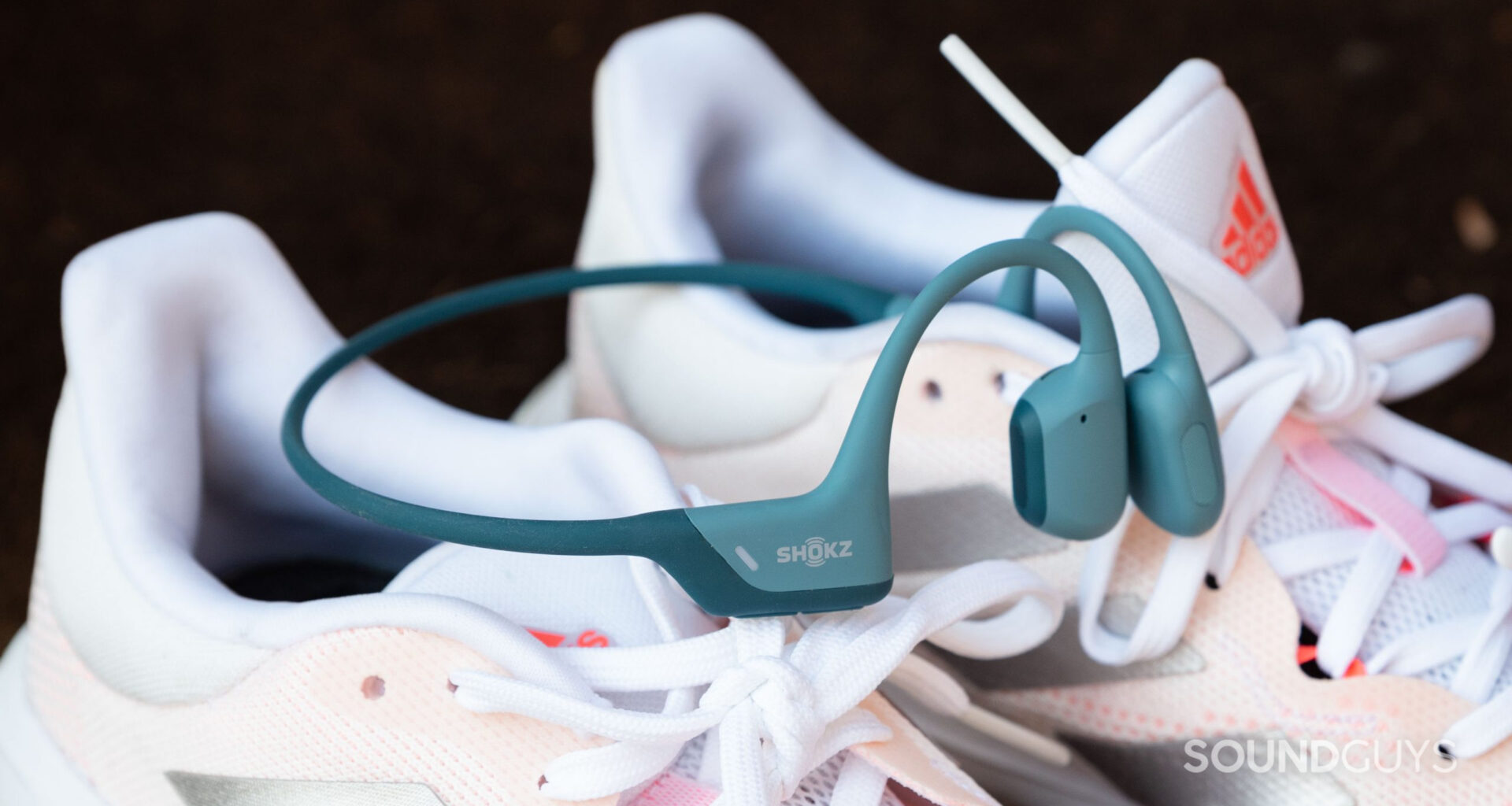
Picking the best headphones for working out is tricky enough, let alone deciding what will stay in place while running. For this, many require headphones with a secure fit, decent bass reproduction, and a robust water-resistant rating. However, some athletes prefer to remain aware of their surroundings and require open-ear or bone conduction headphones. We’ve compiled the best headphones for running, whether over-ear, in-ear, open-ear, clip-on, or wired. Here’s how they stack up in 2026.
The Quick Answer
For a quick guide to the best running headphones that suit your needs and budget, check out our top picks below. Each has a link to our full review.
The best overall: Beats Powerbeats Pro 2
The best over-ears: Nothing Headphone (1)
The best open-ears: Nothing Ear (Open)
The best bone conduction: Shokz OpenRun Pro 2
The best clip-on: Anker Soundcore AeroClip
The best wired: JBL Endurance Run 3 (USB-C)
Best headphones for running overall: Beats Powerbeats Pro 2
Chase Bernath / SoundGuys
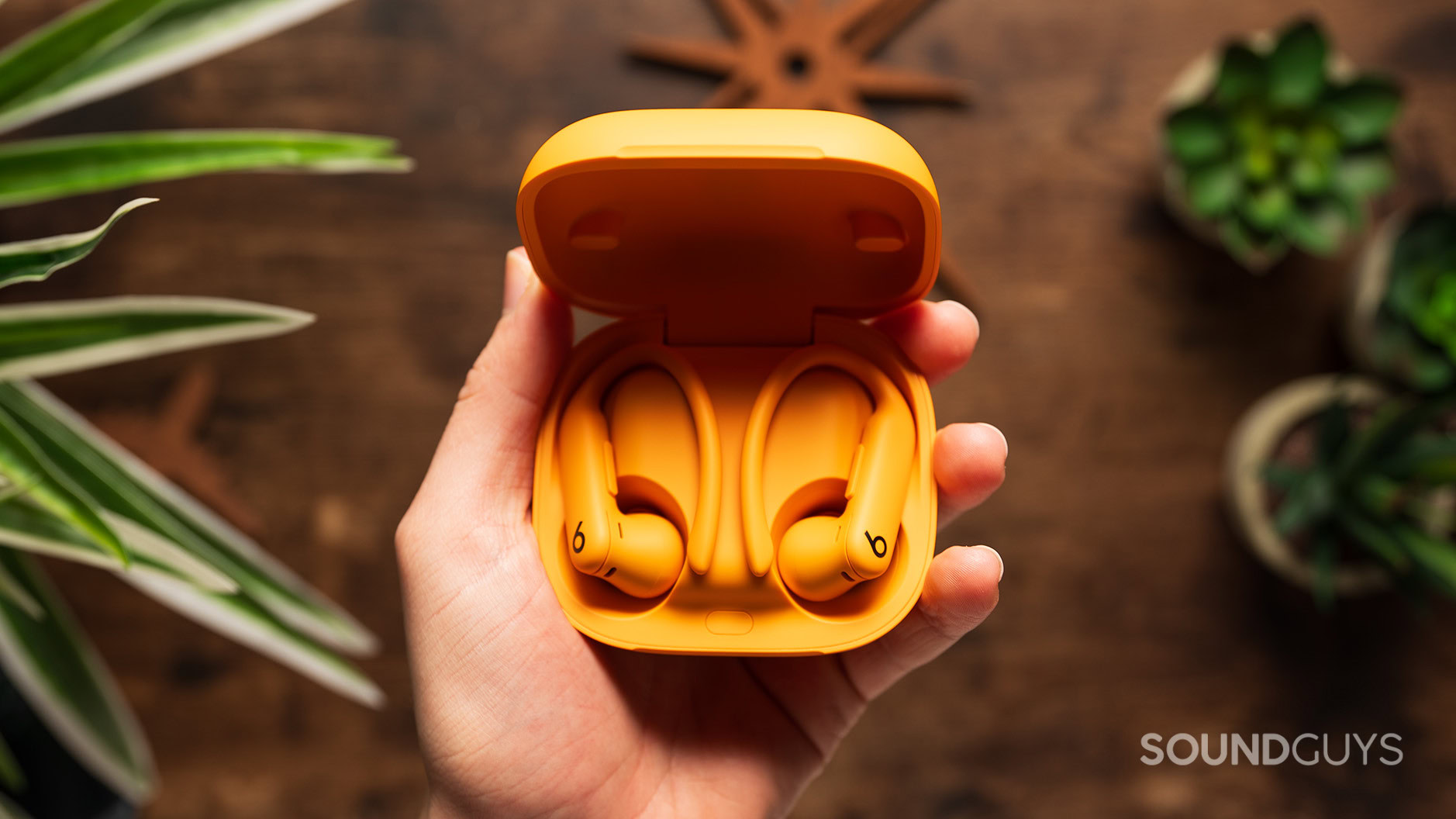
The Powerbeats Pro 2 have an over-ear hook design
The Beats Powerbeats Pro 2 are among the best workout earbuds on the market. They’re IPX4-rated and feature a secure, hooked design that feels comfortable and stable during a vigorous workout regimen. Beats includes five pairs of silicone ear tips in the packaging, ranging from XS to XL, and you can use the ear tip fit test within the iOS Settings app and Beats mobile app to choose the right-sized tips for your ears.
Athletes who enjoy tracking their data can use the buds’ integrated heart-rate monitoring feature. While this doesn’t monitor your heart rate at rest, it begins tracking when you begin a workout. You can then share this data with third-party fitness apps or gym equipment to receive real-time monitoring. The Beats Powerbeats Pro 2 connect seamlessly with all your iCloud devices and offer many handy customization options in the iOS Settings app.
Marathon runners can enjoy up to 10 hours of listening time from a single charge and up to 45 hours with the case. The earbuds also support wireless charging for those who need a quick cordless top-up. Gym-goers wanting to tune out the world around them can enable ANC to attenuate environmental sounds by an average of 83%. The PowerBeats Pro 2 also scored 4.6 Overall in our MDAQS tests, and the bass response is pleasing without overpowering the mix. You can take calls with the buds, too, though they sound best when paired with an iPhone.
Beats Powerbeats Pro 2 price history
Best over-ear headphones for running: Nothing Headphone (1)
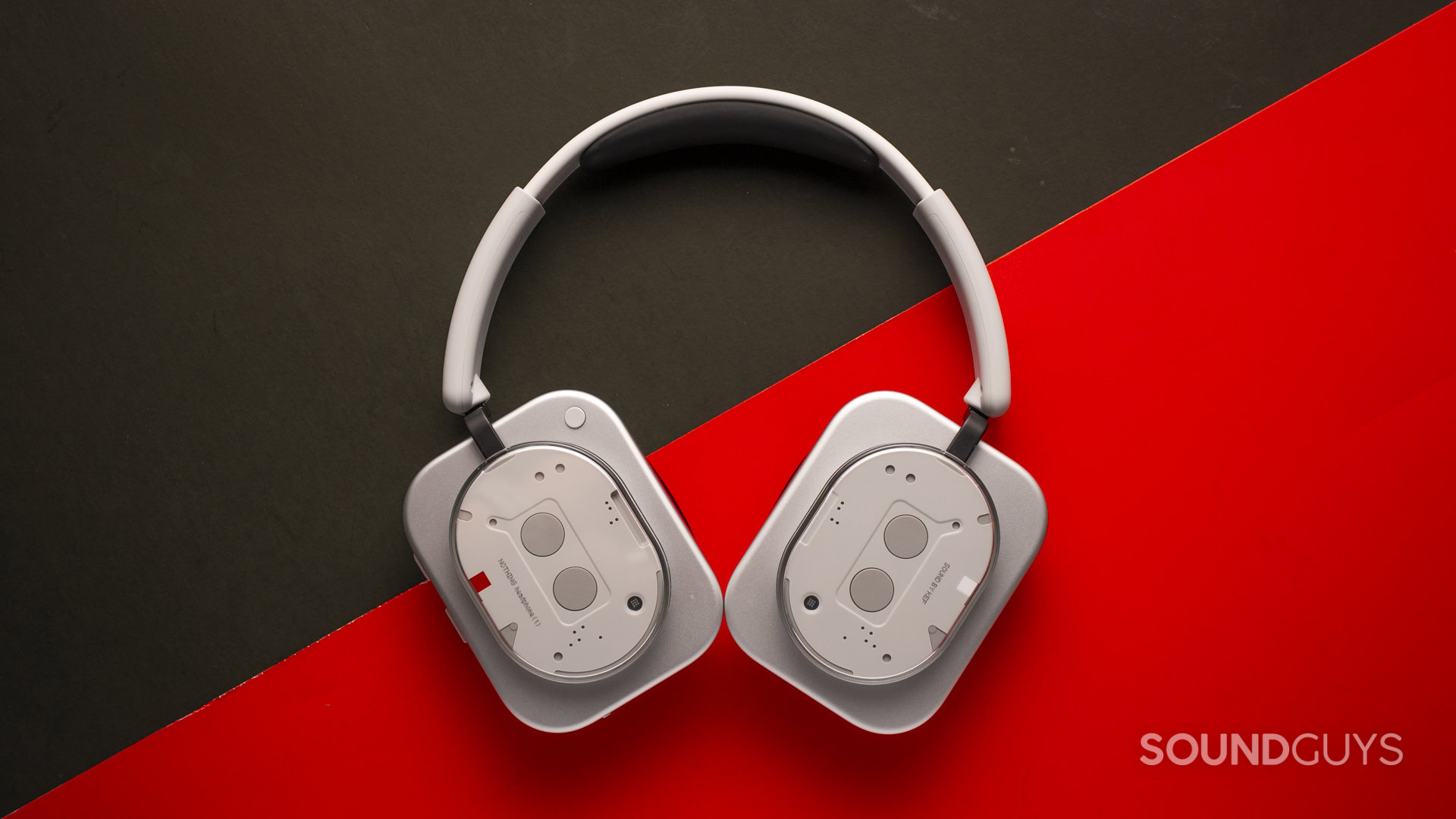
The headphones may be less suitable for those with a larger head.
The Nothing Headphone (1) launched in July 2025 and took the industry by storm with their superior feature set and competitive price tag. Unlike most over-ear headphones, they are IP52-rated to protect against dust and splashing water. While not waterproof by any means, the Nothing Headphone (1) can handle a sweaty workout regimen. They also have a tight clamping force, so they’ll stay on your head better than many rivals. Just be mindful that if you have a larger-than-average head, they may be uncomfortable.
The intuitive controls are another pleasing feature for runners: you can toggle your music on the fly with the volume roller, track-skipping paddle, and assignable multifunction button. These are easily located on the rear of the right ear cup. Note that the roller struggles somewhat with longer hair, and the headband’s padding is relatively thin. However, the ear pads are thick enough for extended wear, so most people should enjoy the feel of these headphones on their ears.
Marathon runners will appreciate the headphones’ 42 hours and 53 minutes of battery life with ANC. You can also fast-charge 5 hours of ANC-less listening time from a 5-minute boost. Noise cancellation is very good, reducing most sounds by roughly 85%. While some may take issue with the cans’ darker tuning, they score 4.6 overall in our MDAQS tests. They also support Bluetooth 5.3 with the SBC, AAC, and LDAC codecs, and the Nothing X app features a comprehensive custom EQ. Those needing wired connectivity can use the 3.5mm or USB-C audio jack, and there’s a low-latency gaming mode for lag-free wireless listening.
Nothing Headphone (1) price history
Best open-ear headphones for running: Nothing Ear (Open)

The Nothing Ear (Open) are IP54-rated and last 8 hours per charge cycle.
Open-ear buds are popular among athletes because they leave your ears unoccluded, allowing you to hear your surroundings. The Nothing Ear (Open) are among the best for runners due to their hook-shaped silicone design. They’re comfortable for long listening sessions, and their IP54 rating protects against dust and sweat. The drivers sit much closer to the ear canal than rival open-ear buds, too, which improves perceived sound quality. However, you’ll still hear nearly everything happening around you.
We’re still awaiting definitive battery results from our lab, but Nothing advertises the Ear (Open)’s battery life as 8 hours per charge with a total of 30 hours with the case. If true, that should be plenty enough for most sports or activities. There’s no noise cancelation or passive isolation to be found here. However, the Nothing Ear (Open) are among the best-sounding pairs of open-ear earbuds we’ve reviewed so far. They score 3.6 Overall in our MDAQS tests and, while they lack sub-bass reproduction, significantly accentuate the bass between 60Hz and 160Hz.
You can download the Nothing X app if the tuning isn’t to your liking. Here, you’ll find a selection of EQ presets, as well as a comprehensive parametric EQ. You can also customize the pinch controls, access Google Fast Pair, switch on low-lag mode, and set up your voice assistant for ChatGPT. The earbuds run Bluetooth 5.3 with Multipoint and the SBC and AAC codecs. Unfortunately, they don’t support wireless charging.
Nothing Ear (Open) price history
Best bone conduction headphones for running: Shokz OpenRun Pro 2
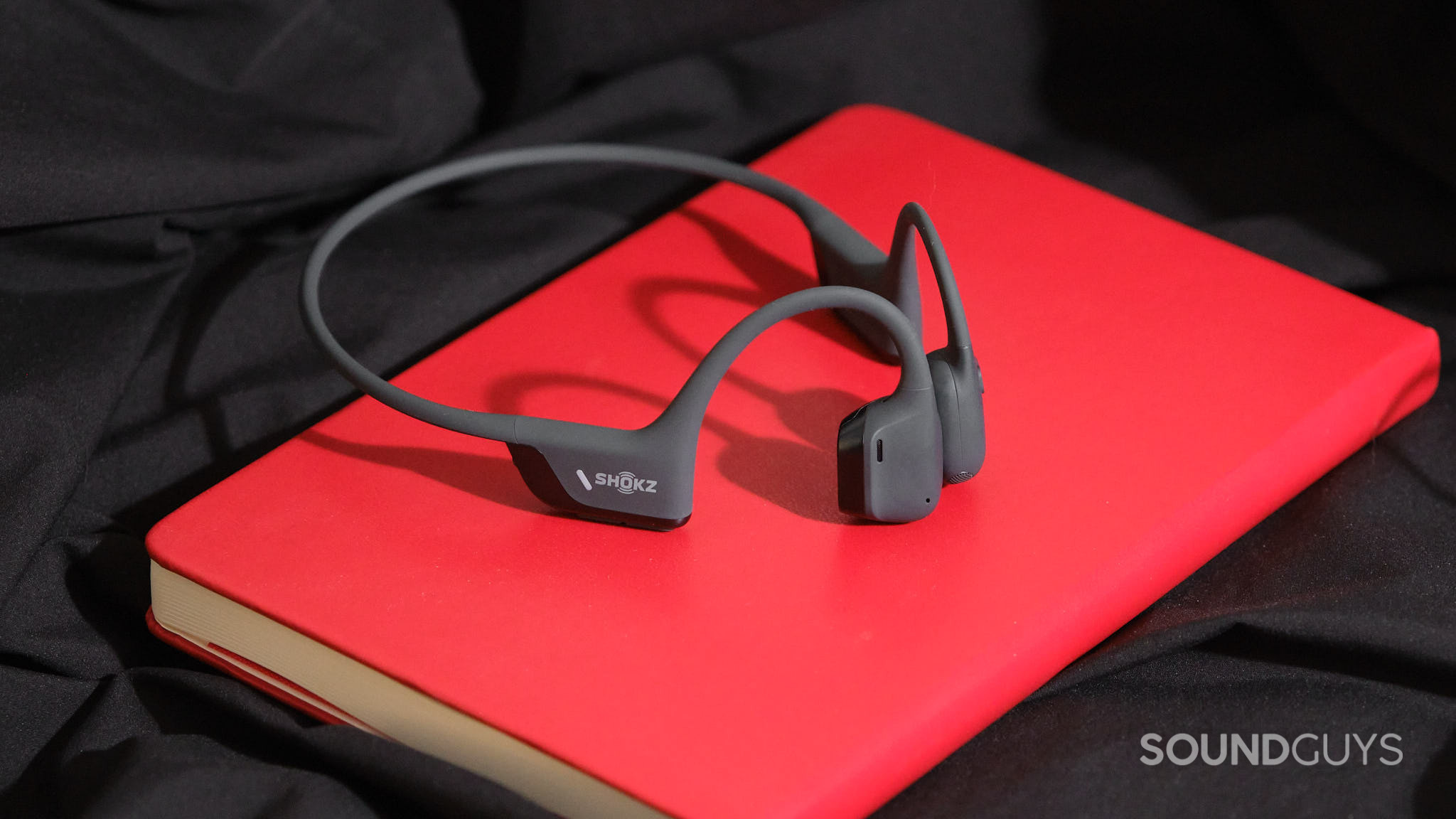
The Shokz OpenRun Pro 2 continues Shokz’s legacy of delivering premium workout headphones.
If you want to avoid sound waves altogether, you could opt for the Shokz OpenRun Pro 2. These headphones use bone conduction to transmit audio vibrations through the cheekbones, eliminating the need to point the speaker drivers toward the eardrum. This is an excellent option if you want open-ear buds and also wish to avoid noise-induced hearing loss. This time around, Shokz has made the vibrations less intense, and its DualPitch Technology delivers louder bass and treble. They also now sport a USB-C charging port and last 12 hours per charge cycle.
The OpenRun Pro 2’s titanium headband is bendy and springy, making it easy to bundle the headphones into a compact running bag. The headphones ship in two sizes: standard and mini. They adorn the same IP55-rated rubberized coating as older variants, so they shouldn’t slip during use and can withstand just about anything you throw at them.
Downloading the Shokz app (iOS/ Android) unlocks firmware updates, five EQ presets, and a five-band custom EQ. The last is a feature seemingly missing from rival cans, making it a surprisingly distinctive addition here. Shokz also makes it easy to toggle Bluetooth Multipoint, should you have two devices you wish to switch seamlessly between. Just be mindful that OpenRun Pro 2’s in-call microphone quality won’t stand up against the best wireless earbuds on the market.
Shokz OpenRun Pro 2 price history
Best clip-on headphones for running: Anker Soundcore AeroClip
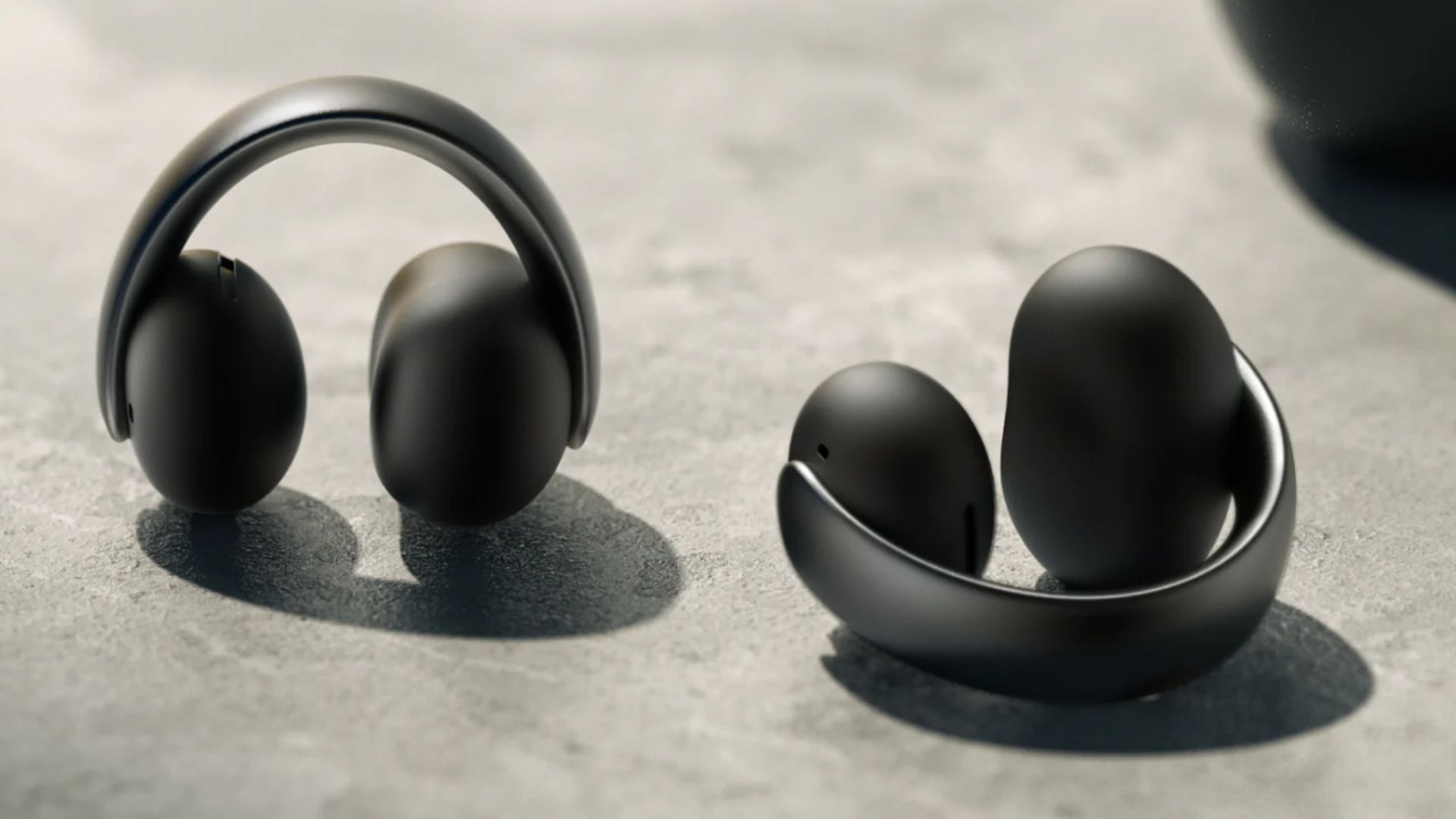
The Anker Soundcore AeroClip supports live translation in over 100 languages.
If you’re after a one-size-fits-all option, the Anker Soundcore AeroClip are a worthy consideration. Unlike in-ear or open-ear options, these ring-shaped clip-on buds attach to the outside of the ear. This offers a more ubiquitous fit, regardless of your ear anatomy. They’re IP55-rated to protect against dust and sweat, and their memory titanium core is robust. They also feature a soft, comfortable polymer exterior for long listening sessions.
Under the hood are 12mm dynamic drivers, which Anker claims provide “punchy lows”. However, as with all open-ear buds, listeners will likely experience less bass presentation than in-ear counterparts. Still, the AeroClip reportedly reduces sound leakage by employing directional drivers placed 5.9 mm from the ear canal. They also support Bluetooth 5.4 with Multipoint and the SBC, AAC, and LDAC codecs.
Battery life runs at 8 hours per charge cycle, plus 24 hours from the case. If you enjoy calls during workouts, the buds house 4 beamforming microphones and a sophisticated noise-rejection AI algorithm to attenuate distracting environmental sounds. You can even use the AeroClip to translate in 100 languages using the Soundcore app, which is handy if you often participate in global athletic events.
Anker Soundcore AeroClip price history
Best wired headphones for running: JBL Endurance Run 3 (USB-C)
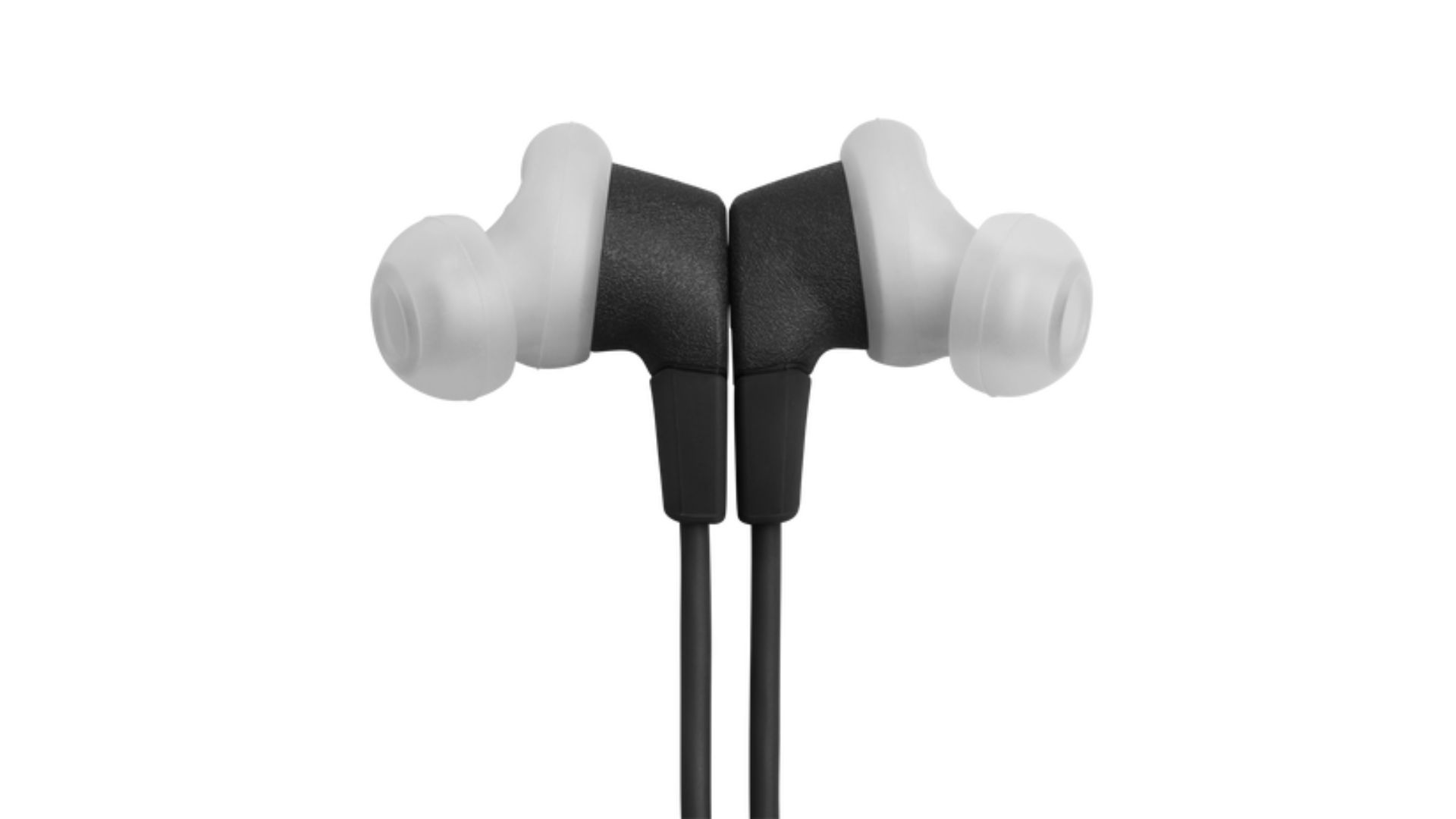
The JBL Endurance Run 3 ship with either a 3.5mm or USB-C jack and are IP65-rated.
Those who prefer wired listening will enjoy the JBL Endurance Run 3. These ship with either a 1.2m USB-C or 3.5mm cable and feature the company’s TwistLock design for added security. Runners will also appreciate the attachable FlipHook, which lets you secure the headphones behind the ear. They’re IP65-rated to protect against dust and water splashes, and their 16.8g build is lightweight enough to wear comfortably for longer periods. The rear of each bud is even magnetized for easier storage around the neck while not in use.
The earbuds house 8mm dynamic drivers that JBL claims provide a “bold sound with rich bass”. While we haven’t put them through the wringer yet, they have a frequency range of 20Hz – 20kHz and feature a built-in microphone for calls. These can be answered and ended using the in-line one-button remote, which, when long-pressed, activates your mobile’s native Voice Assistant. The packaging includes three differently-sized ear tips to help achieve the best possible fit.
JBL Endurance Run 3 (USB-C) price history
The best headphones for running: Notable mentions
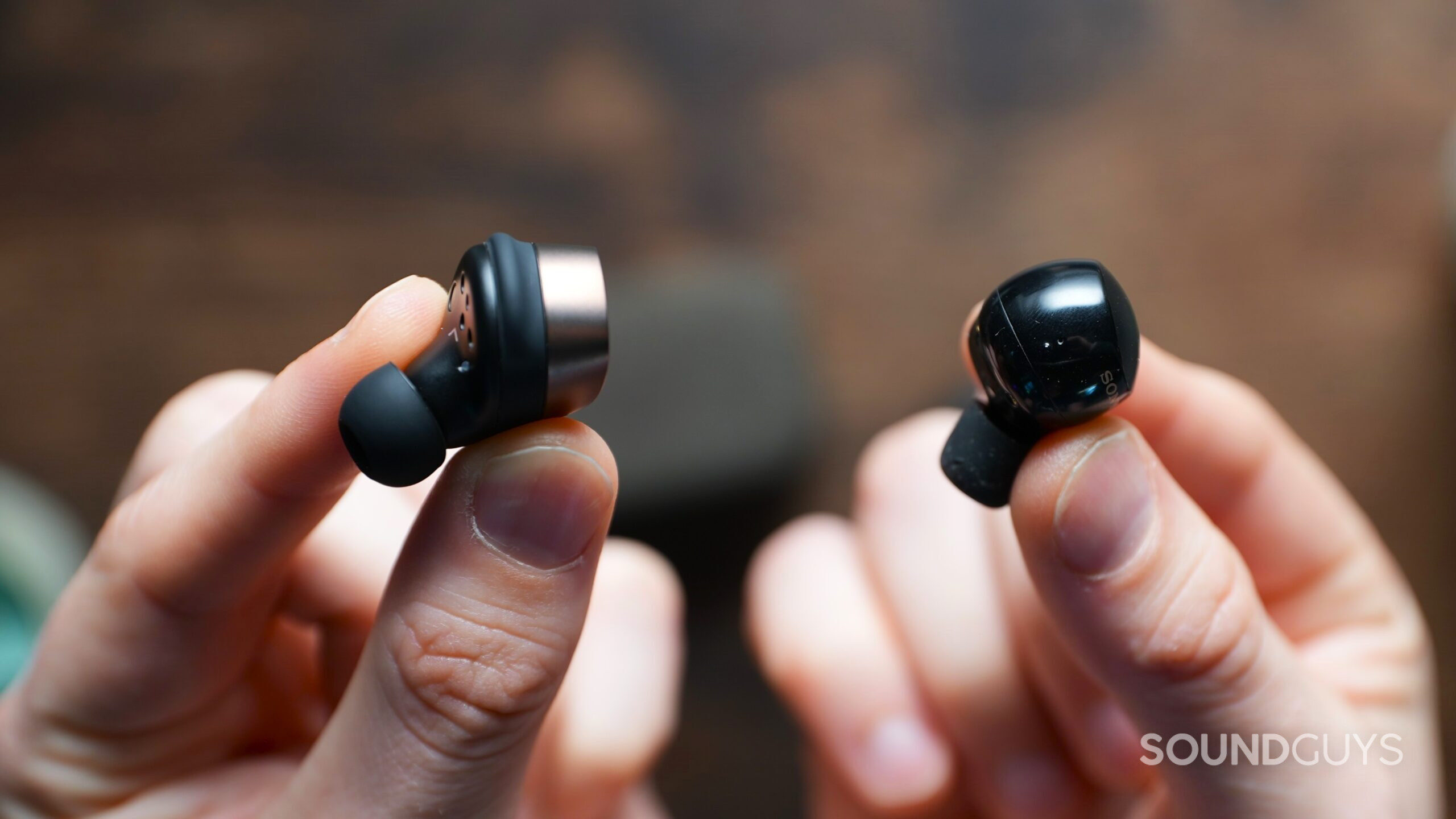
The Sennheiser MOMENTUm true Wireless 4 are a bit bulkier
Sennheiser MOMENTUM True Wireless 4 ($269.95 at Amazon): iPhone owners should consider these buds instead of AirPods for their runs. The MOMENTUM True Wireless 4 are IP54-rated, include three sizes of concha fins, last nearly 8 hours per charge, and have an iOS-friendly companion app.
Plantronics BackBeat FIT 6100 ($69 at Amazon): These over-ear headphones sport an IPX5 rating, last nearly 27 hours per charge cycle, and feature a lightweight 240g frame that’s comfortable for rigorous exercise. They’re also ideal for bass heads who like thumping low-end during workouts.
Shokz OpenRun Pro ($179 at Amazon): The Shokz OpenRun Pro remain one of our favorite running companions thanks to their 10-hour battery life, IP55 rating, comfortable form factor, and open-ear design. They’re more affordable than their newer sibling, and the Shokz app contains comprehensive customization.
HUAWEI FreeClip 2 ($179 at Amazon): With an impressive 9-hour battery life, IP57 rating, and 5.9g design, the HUAWEI FreeClip 2 are an excellent option for Android and Apple runners. Their clip-on build is comfortable, and their sound quality is among the best in their field.
Anker Soundcore Liberty 4 Pro ($129.99 at Amazon): Budget-conscious buyers should consider the Liberty 4 Pro for their IPX5-rated design, comprehensive companion app, and intuitive controls. Battery life lasts 5 hours and 42 minutes with ANC enabled, and the case features a touchbar for making minor adjustments on the fly.
Under Armour Project Rock by JBL ($298 at Amazon): These IPX4-rated over-ears feature a bass-heavy sound profile with a tight clamping force for staying in place. They support wireless connections via Bluetooth 5.0 with the SBC and AAC codecs and can be wired with a 3.5mm jack.
Shokz OpenMove ($79 at Amazon): The Shokz OpenMove cost significantly less than the competition and are IP55-rated for peace of mind. Their unoccluded fit is ideal for safety, and the headband tension should keep them in place during movement. Battery life lasts 6 hours per charge cycle.
Apple AirPods 4 ($129 at Amazon): If you are insistent on owning an Apple product for your runs, consider the AirPods 4. They’re IP54-rated, weigh just 4.3g per bud, and last 5 hours per charge. They feature Apple’s H2 chip for superior sound quality, and there’s an ANC-capable variant if required. Just be mindful that their one-size-fits-all design won’t suit all ears.
Sony LinkBuds Clip ($229.99 at Amazon): Sony’s LinkBuds Clip are another Apple contender owing to their IPX4 design, 7 hours of battery life, and OS-agnostic features. They support Bluetooth 5.4, SBC, and AAC codecs, and support Sony’s 360 Reality Audio feature.
JBL Tour Pro 3 ($249.95 at Amazon): The JBL Tour Pro 3 include 4 silicone and foam ear tips for finding the perfect fit. They’re IP55-rated and support Bluetooth 5.4 with Multipoint, Auracast, and the SBC, AAC, LDAC, and LC3 codecs. The charging case can be used as a wireless transmitter, and the JBL Headphones app is comprehensive.
Heavys H1H ($269 at Manufacturer site): If you’re a fan of heavy music, the Heavys H1H are compelling. While they lack ingress protection, they have a pleasing clamping force and use a unique 8-driver design. Alongside Bluetooth 5.1 and the aptX Adaptive codec, they support 3.5mm and USB-C connectivity.
Mojawa HaptiFit Terra ($249.99 at Amazon): These bone conduction headphones are packed with features, including an AI Sports Trainer. For example, Terra Coach uses activity-tracking sensors, such as the built-in heart rate monitor, to tailor an effective training plan for your body. They’re IP68-rated and have 32GB of onboard storage for music.
Jabra Elite 8 Active Gen 2 ($229.99 at Amazon): If you can find them, the Jabra Elite 8 Active Gen 2 are one of the best workout buds on the market. They’re IP68-rated, feature a grippy rubberized coating, and last over 9 hours per charge cycle. ANC is excellent, and they score 4.8 Overall in our MDAQS tests.
Sennheiser MOMENTUM Sport ($329 at Amazon): These earbuds come packed with sporty features, including heart rate monitoring, body temperature sensors, and an IPX5 water-resistant rating. While their ANC is middling, their wing-tipped design provides long-lasting comfort and reliability during workouts.
What you should know about the best headphones for running
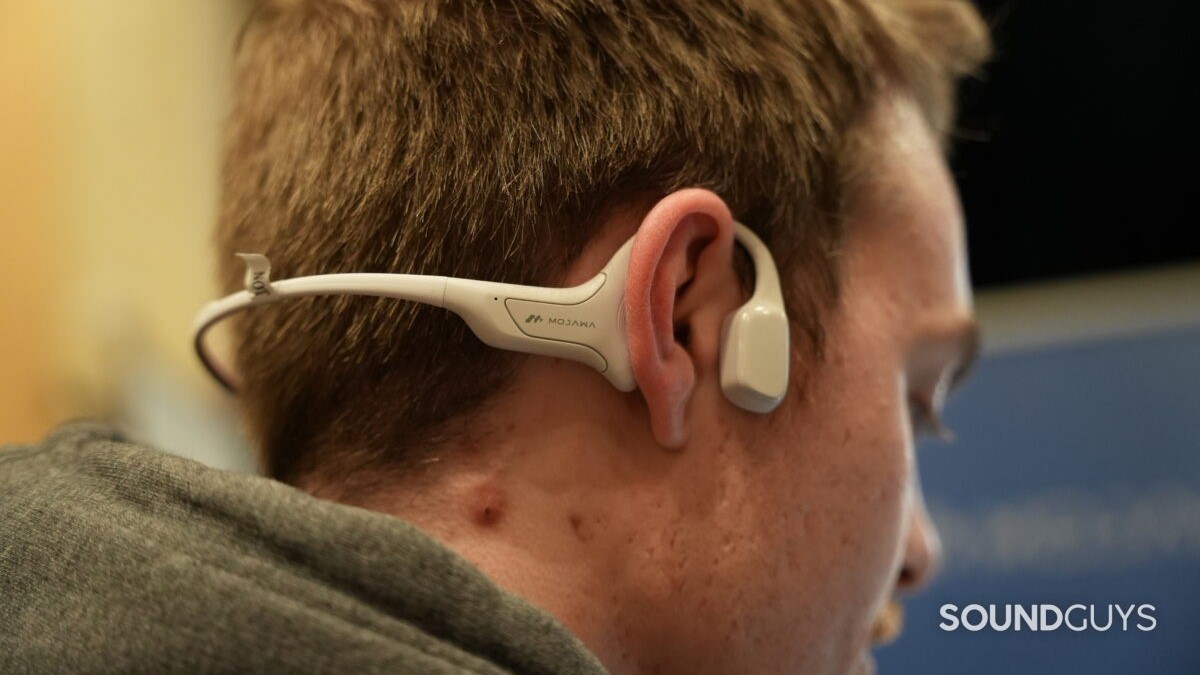
The Mojawa HaptiFit Terra are among the most intelligent bone conduction headphones on the market.
There are some important considerations when deciding which type of running headphones to invest in. For example, open-ear, clip-on, and bone conduction headphones leave your ears unoccluded. While this is ideal for hearing the world around you, it’s less good for those who want to tune out their surroundings. You’ll also likely experience a reduction in the perceived loudness of bass frequencies, which can be counterproductive during workouts. Still, if you’re a city dweller, these headphones are much safer than their in-ear and over-ear counterparts.
Perhaps most importantly, you’ll need to consider purchasing headphones with an ingress protection rating. This protects the internal components from dust and water damage so that you can break a sweat without worry. However, it’s worth noting that IP ratings degrade with use. So too does battery life, meaning you’ll want to pick headphones with long charge cycles to get the most out of your product. Transparency mode is another useful feature if your in-ear or over-ear headphones support ANC. This allows ambient sound to reach your ears, which can be handy when crossing busy streets.
Most people prefer wireless headphones for running. For this, you should find options that support at least Bluetooth 5.4, as this version brings major improvements to connection stability. It also supports advanced features, including Auracast broadcasting and LE Audio with the LC3 codec. Otherwise, modern wired options are increasingly adopting the USB-C standard, and some over-ears support this and 3.5mm connections. Above all else, pick lightweight headphones with ample padding and a comfortable fit.
How we test the best headphones for running
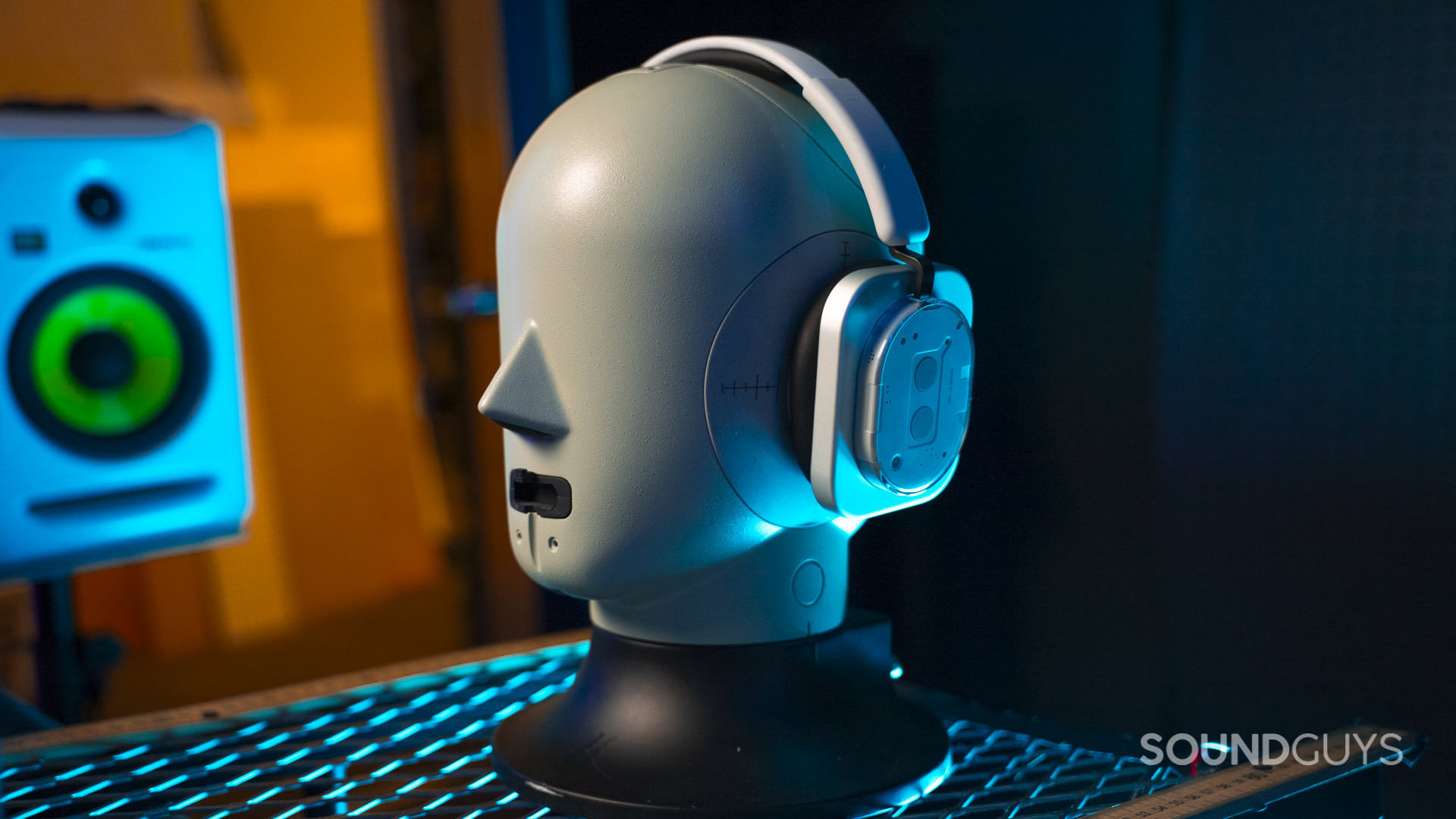
Your ears aren’t robot ears, so you should make adjustments to taste.
In-ear, open-ear, clip-on, and over-ear headphones are tested using the same standardized methodology, regardless of price. So, we measure frequency response and noise attenuation on our B&K 5128 head simulator. We also run MDAQS sound-quality scoring to generate simulated mean opinion scores from a modeled panel of listeners. This gives us a consistent and objective benchmark for sound quality across products.
However, you can’t objectively test the sound quality of bone conduction headphones on an artificial testing head because they rely on human bones. Instead, we put each product through its paces in the real world by listening to each one in a variety of environments. We also listen to bone conduction headphones with a wide variety of music to see how well they reproduce lows, mids, and highs across the audible frequency spectrum.
We evaluate the build quality and durability of headphones by wearing them for several hours to see how comfortable they are for long listening sessions. Battery life is tested with real music peaking at 75dBSPL with ANC enabled, and microphone performance is recorded across five simulated environments: ideal conditions, office, street, wind, and reverberant space.
Why you should trust SoundGuys
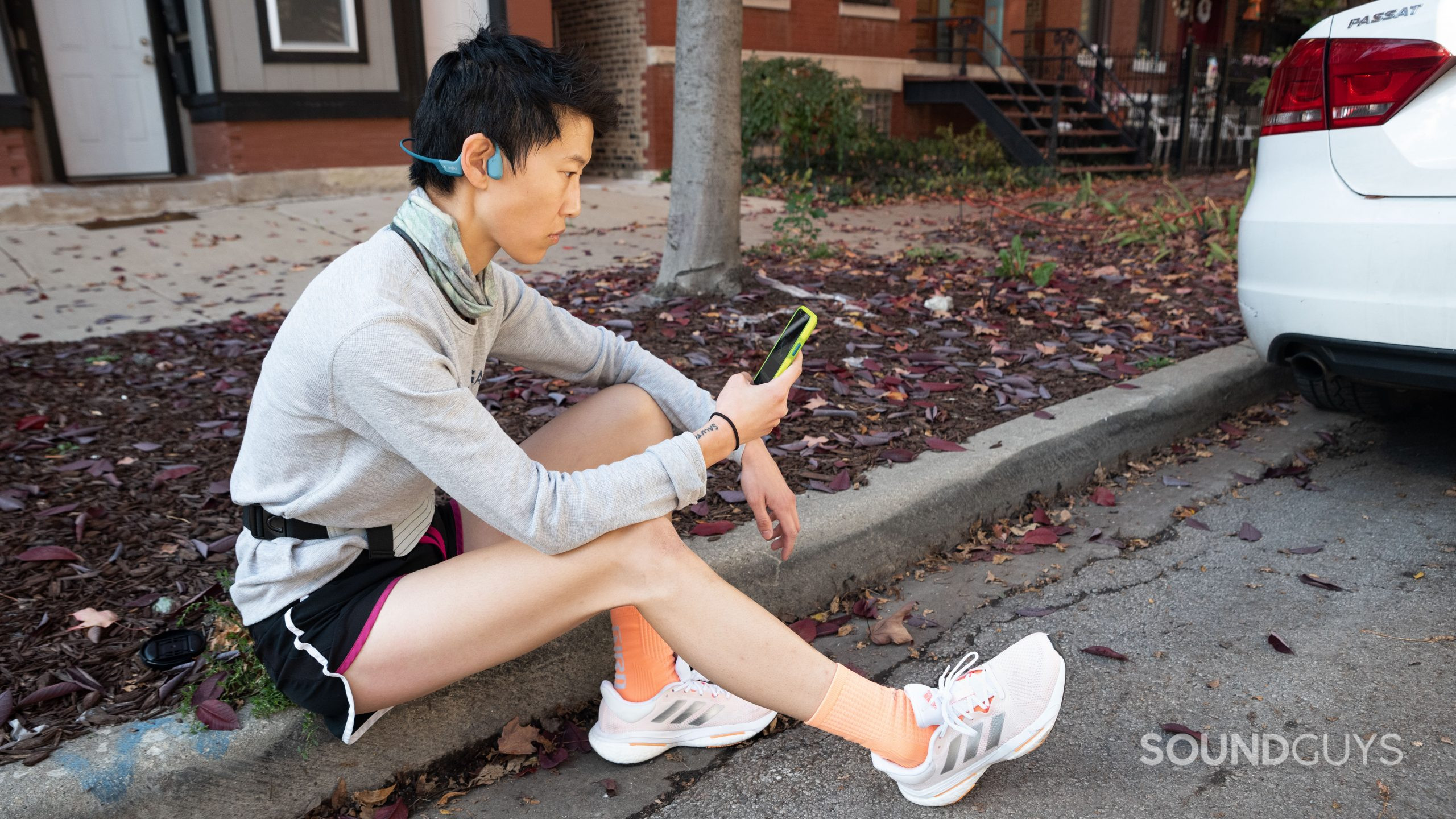
Runners and city slickers alike will appreciate the peace of mind that comes with wearing the OpenRun Pro headphones.
SoundGuys prides itself on having decades of experience monitoring and testing the best audio products on the market. Our collective experiences allow us to compare the best (and worst) headphones, while our objective tests provide tangible, measurable proof for our reviews.
Ultimately, we only make rent when you enjoy your purchase. We’re here to help you choose between the best audio products out there, while cutting through industry jargon and popular marketing slogans. We recommend reading up on our ethics policy to get the full picture.
Frequently asked questions
What type of headphones are best for running?
Bone conduction headphones are generally considered among the best for runners thanks to their unoccluded fit. This allows you to hear your surroundings, making it much safer to exercise in busy environments. Many feature robust IP ratings and adorn secure hook-shaped form factors. However, their unsealed design sacrifices sound quality.
What headphones don’t fall out when running?
You’ll want to consider earbuds with ear hooks, wings, or stabilizing fins. Relevant products include the Beats PowerBeats Pro 2, Sennheiser MOMENTUM True Wireless 4, and Beats Fit Pro.
Do runners prefer headphones or earbuds?
This is subjective, but many runners enjoy earbuds. This is because the category is awash with products that include ear hooks, wings, and stabilizing fins to achieve a more secure fit. Over-ear headphones rely on headband tension, which is not as robust during vigorous exercise.
Why do runners like Shokz?
Shokz manufactures some of the most compelling workout headphones on the market. The OpenRun Pro and Pro 2 are among the most popular thanks to their unoccluded fit, long battery life, and robust IP rating. The company is dedicated to workout-friendly designs, and many of its best products fit securely even during rigorous exercise.
Thank you for being part of our community. Read our Comment Policy before posting.