
The plans of many holiday-makers are up in the air with war in the Middle East, airline upheaval, jet fuel supply fears and a fresh cost-of-living crisis casting a long shadow over the summer and beyond.
Uncertainty has seen many who routinely travel overseas hold off on bookings while many who come to Ireland from elsewhere are equally reluctant to commit.
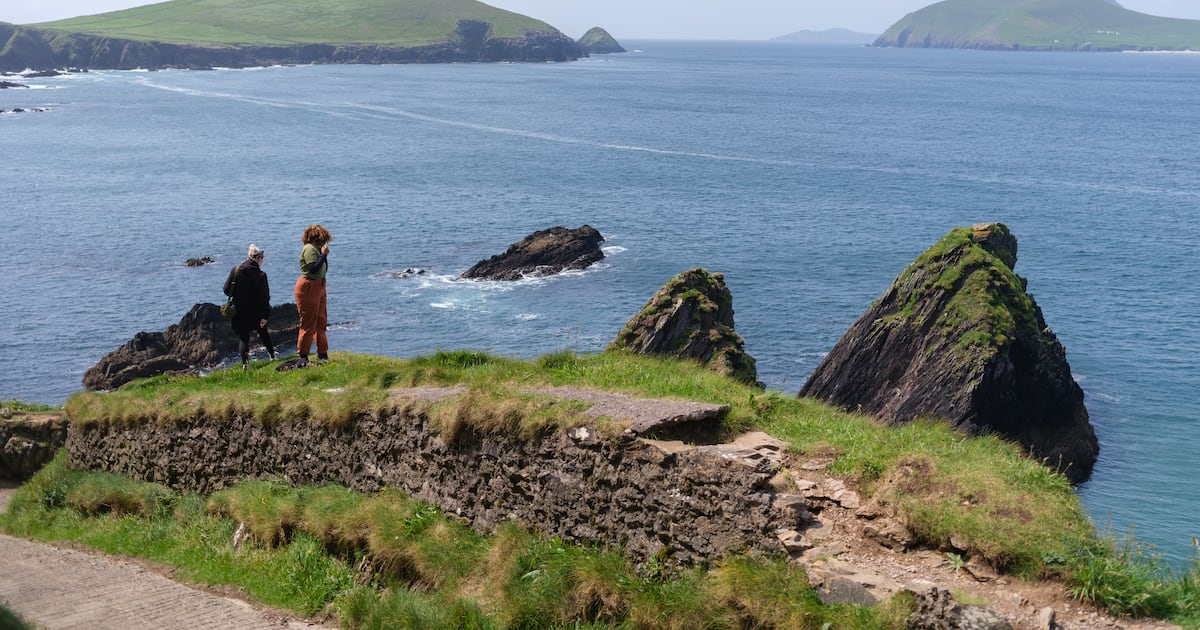
The unease has raised the prospect of a staycation once again for some and another challenging year for hoteliers struggling to survive on domestic business alone.
Last weekend Aer Lingus started cutting hundreds of flights from its schedule because of “mandatory maintenance”, while Ryanair has been talking up the risk of fuel shortages.
The two home-grown airlines are not unique in experiencing a level of turbulence not seen since the dark days of Covid-19.
Some carriers have simply ripped up schedules, scrapping thousands of flights. Earlier this week Lufthansa stripped 20,000 short-haul flights from its schedule, including the Cork to Frankfurt route, to offset jet fuel prices which have more than doubled in six weeks.
Airlines in the US and Asia are imposing fuel surcharges and baggage premiums prompting many to ask what’s next.
Paul Gallagher, chief executive of the Irish Hotels Federation (IHF), has been reading the tea leaves anxiously and says there is “a little bit of nervousness” in the industry about overseas visitor numbers for the second half of the year.
 Paul Gallagher, chief executive of the Irish Hotels Federation, suggests consumers are ‘probably confused’ by ‘mixed messages’. Photograph: Chris Bellew/Fennell Photography
“The number of new reservations coming in has slowed a little bit,” he says.
In a typical year an Irish hotel might expect to have 45 per cent of its bookings for the third and fourth quarters already secured, but Gallagher says few have reached that target.
Consumers are, he suggests, “probably confused” by what he calls “mixed messages”.
He points to comments from Ryanair’s Michael O’Leary about fuel supplies only being guaranteed until the middle of May.
“That is a worrying statement. And you have Aer Lingus withdrawing scheduled departures because of maintenance issues. That tightens availability. Then there’s Lufthansa. There’s a lot of things coming into play,” says Gallagher.
But, on the other hand, there are the comments of the Dutch government which has eased concerns about shortages saying there is enough kerosene for the EU’s economy to cover the next five months.
The Portuguese government, meanwhile, has assured travellers there will be no jet fuel shortages at its airports this summer.
“We shouldn’t be worried at all,” says Eoghan Corry, travel writer and owner of the TravelExtra trade magazine.
“Not only have Ireland’s two main airlines locked in good jet fuel prices, they’re also big buyers and will probably be able to pull rank a little bit when it comes to queuing at the pumps.”
[ Four ways the Iran war could make life more expensiveOpens in new window ]
But, as Gallagher points out, it’s not just fuel uncertainty shaping consumers’ plans.
“We’re already seeing inflation moving by about a per cent and potentially up to 4 per cent so the ECB [European Central Bank] is probably having discussions around quarter point increases and if that happens, it impacts domestic customers with mortgages or loans in an environment where they’re already feeling the cost-of-living crisis,” he says.
If aviation fuel supplies do become scarce, “then there’s no doubt the Irish hospitality industry will be hugely reliant on domestic tourists”.
And if the “sales mix is going to change you’re probably going to see prices moderate for the latter part of the summer and into the autumn. We have always had dynamic prices in the hotel sector but it works two ways – prices rise and fall and this might be a dynamic pricing moment where there is a slight recalibration but it will depend on how the market is performing later on this year. A hotel room is a perishable product. I can’t sell tonight’s room tomorrow; I can never make up for that revenue.”
Eoghan O’Meara Walsh, chief executive of the Irish Tourism Industry Confederation, says it’s “too early to say” if there will be a radical upheaval in travel and a return to staycations this summer but warns of dark times ahead.
“Every year there’s about €450 million worth of tourism business that comes in either from the Middle East or via the Middle East so that’s now gone or jeopardised and we don’t know to what extent,” he says.
Potential fuel shortages “are obviously not a good thing for tourism and the longer the Iran war goes on and the longer the Strait of Hormuz is closed, the more confidence from overseas markets will be spooked”, he says.
“It’s a bit of a perfect storm.”
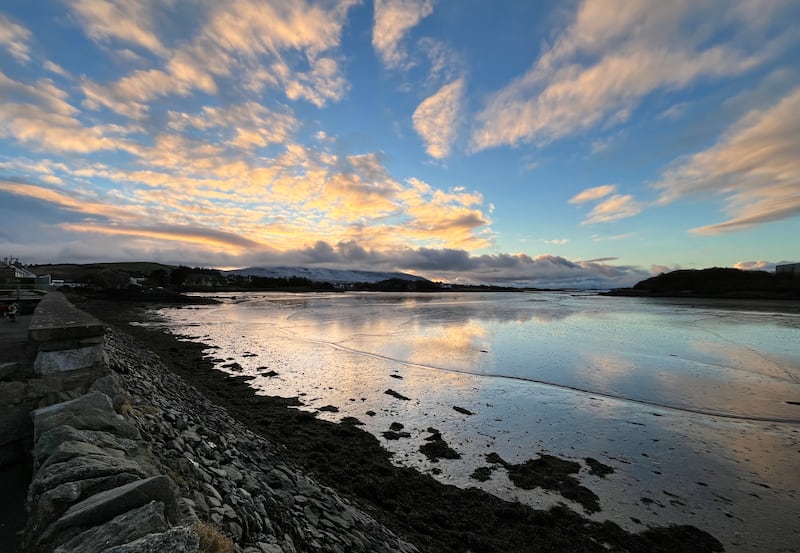 If aviation fuel supplies do become scarce, Paul Gallagher says ‘then there’s no doubt the Irish hospitality industry will be hugely reliant on domestic tourists’. Photograph: Bryan O’Brien
All the unrest “may lead to more staycations because Irish families may not fancy fuel surcharges and may not fancy going to the Middle East and may not even fancy going to Turkey.
“The other thing is might Ireland be seen as some sort of safe haven for international tourists because we’re obviously well away from trouble zones.”
But while he searches for silver linings he says any boost in home-grown travel will not make up for lost revenue from overseas.
“I don’t think they are going to compensate for the setbacks and the damage done by the conflict so it’s going to be a net negative.”
[ ‘Staycations’ dip as Irish residents spend more time abroad in 2025Opens in new window ]
He recalls that during the international travel restrictions of the Covid pandemic, Irish people “to a certain extent rediscovered their own country and what was on their own doorstep”.
“But remember that about 70 per cent of the tourism economy is made up of international, and the domestic market doesn’t spend as big as the US market or European market,” he says.
“If hoteliers around the country can see bookings materialising from international markets then they’ll be trying to stimulate demand and putting incentives in the marketplace,” he says, although while bookings “are soft”, it is not yet clear if people have hit the pause button or the stop button.
Things are also shaky when it comes to outbound bookings.
Tom Randles of the Irish Travel Agents Association (ITAA) says the post-Christmas period – before the outbreak of war at the end of February – was sluggish, but the situation became considerably worse after the US and Israel launched their attack on Iran.
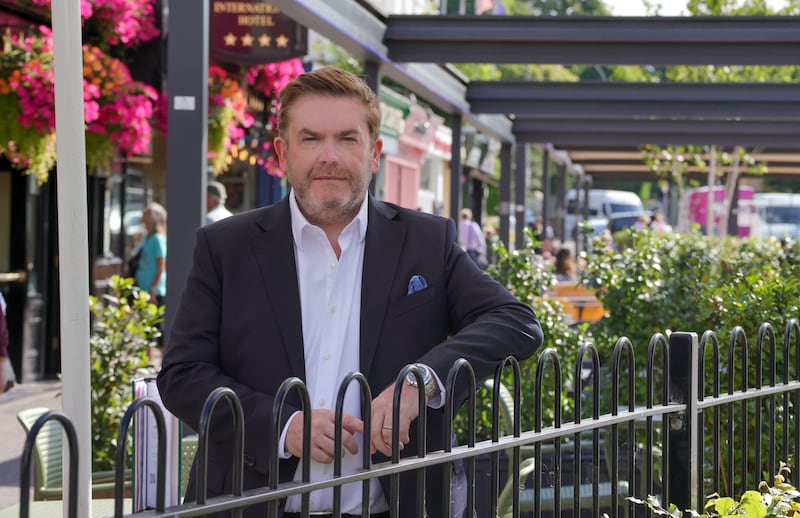 Tom Randles of the Irish Travel Agents Association says it’s too early to say if there will be a rebound or if more Irish people will chose to stay close to home this year. Photograph: Valerie O’Sullivan
“That created a vast amount of uncertainty and any time there’s uncertainty people hold back, that is just human nature and we are seeing that right across the industry,” he says.
He suggests bookings are down as much as 20 per cent and he says it is too early to say if there will be a rebound or if more Irish people will choose to stay close to home this year.
“If you talk to travel agents around the country, they will say there are bookings coming in but they are not where they should be.”
Brian Hughes owns the Abbeyglen House Hotel in Clifden, Co Galway and his outlook is best described as mixed. The early part of the summer is looking good for the west of Ireland and “slightly up” on last year, he says, but in the longer term he adds that “there are definitely concerns”.
He says hoteliers like him “make our living selling beds to tourists from North America who come for one night or two nights”.
“That’s our bread and butter and it’s very hard to make a living selling to Irish people,” he says. “We are living on the edge and we are all definitely nervous.”