
A new study has found that living in darkness for months at an Antarctic field station changed how the human body handles stress while sleeping, waking, and recovering.
The finding turns rest into a mission-safety issue, with direct consequences for longer journeys beyond Earth inside tight spacecraft.
Losing time in Antarctica

At Belgrano II, an Argentine base about 800 miles from the South Pole, winter strips away sunrise for four straight months.
Working from that setting, Daniel E. Vigo, Ph.D., at the Institute for Biomedical Research, linked the loss of daylight to weaker nighttime recovery.
The pattern grew sharper as isolation stretched across the year, with wakeful hours showing less calming nerve activity while sleep gained it, then lost it again in darkness.
That split makes the finding harder to dismiss as a simple sleep problem and sets up a larger question about what light is really doing to the body’s clock.
Sunlight sets clocks
The circadian rhythm, the body’s daily timing pattern, needs morning light and evening darkness to keep sleep aligned.
Four sunless months left artificial schedules doing work that sunrise usually handles without debate inside a harsh station.
Earlier work at the same base found that 82 men slept less and drifted later when daylight vanished.
Those delays show how fast routine can slip when the Sun stops correcting the body’s clock each morning.
Stress changed by state
During waking hours, the crew’s autonomic nervous system, the body’s automatic control network, showed a stronger stress tilt.
Signals linked to parasympathetic activity, the calming branch that supports recovery, fell as isolation stretched across the year.
At night, the pattern reversed, which hints that sleep increased recovery signals after each long daytime strain.
Darkness still cut into that repair, so the extra nighttime recovery did not fully solve the problem during the darkest season.
Heartbeats reveal strain
To catch those hidden changes, scientists tracked heart rate variability, tiny timing changes between heartbeats, over repeated 24-hour periods.
Higher nighttime variation usually reflects stronger calming input, because the heart can slow and speed with more flexibility.
Measurements from 13 healthy male crew members gave the team rare full-day data through one Antarctic year.
That small group limits broad claims, yet the repeated readings made each person’s changes easier to follow within the same station.
Rest carried costs
Short sleep added another layer, because fatigue changes attention before a person feels dangerously impaired on the job.
At Belgrano II, crews often slept six hours or less during sunless months, even as duties continued.
Noise, cold, workload, and night watches made the lost light harder to offset with ordinary discipline during already demanding days.
“Sleep is not a secondary aspect: it is a key determinant of attention, decision-making, and emotional stability in highly demanding environments,” said Vigo.
Space adds pressure
Spacecraft create a sharper version of the same problem, because crews lose the simple day-night cue inside confined vehicles.
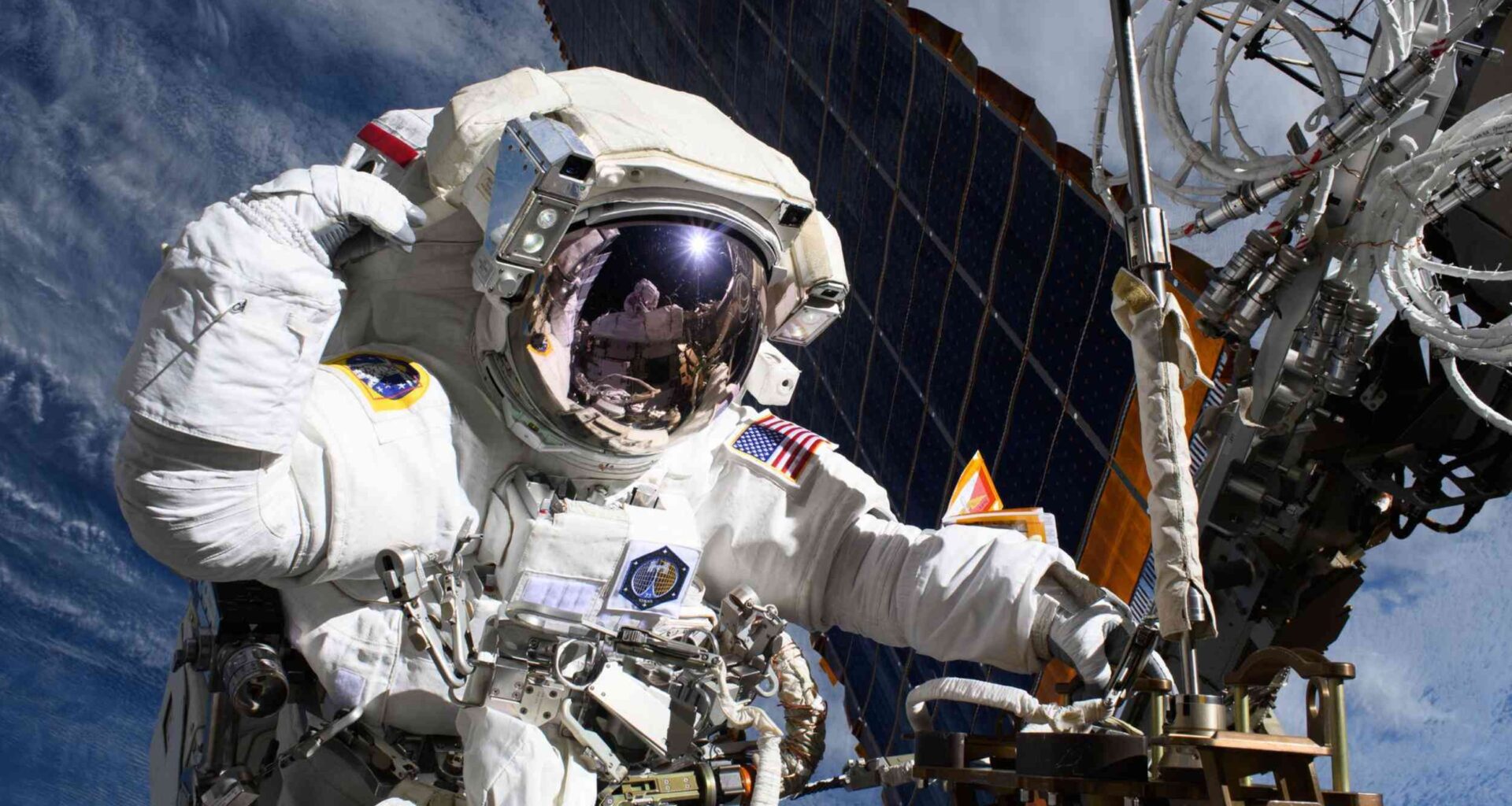
On the International Space Station (ISS), astronauts see 16 sunrises and sunsets each day, which can disrupt sleep-wake cycles.
A flight analysis of 21 astronauts found misaligned sleep roughly once in every five sleep episodes during long station missions.
When timing slipped, astronauts slept nearly one hour less and used sleep medicine more often during demanding operations.
Light guides recovery
Better lighting offers one practical answer, because timed brightness can tell the brain when to wake without jolting crews.
NASA already treats inadequate sleep and irregular schedules as a human spaceflight risk tied to performance in official planning.
Crew planners can also protect rest by limiting sudden schedule changes during docking, repairs, alerts, and vehicle arrivals.
Medication may help some nights, but it cannot replace an internal clock that stays properly lined up for many crews.
Artemis raises stakes
Artemis II gave these questions fresh urgency after Orion carried four people around the Moon and back on a demanding test flight.
Reid Wiseman, Victor Glover, Christina Koch, and Jeremy Hansen returned on April 10, 2026, after an approximate 10-day mission.
“Space missions don’t depend solely on technology; they also depend on human biology,” said Vigo.
For mission designers, rest deserves the same early planning as air, food, exercise, and communications from the start.
Limits shape lessons
Caution still belongs in the story, because the Antarctic crew did not represent every future astronaut with different bodies.
All 13 participants were men, so the findings cannot show how women might respond during similar missions or mixed crews.
Pre-mission and post-mission data were also missing, which leaves some personal baseline differences unresolved for now.
Even with those limits, Antarctica shows why darkness, isolation, and workload must be managed together during long missions.
Sleep guides exploration
Months of darkness exposed a basic truth: safe exploration depends on bodies that can keep time, recover, and decide clearly.
Future countermeasures should test light, schedules, and monitoring across more crews before longer lunar and Mars missions leave Earth.
The study is published in Scientific Reports.
—–
Like what you read? Subscribe to our newsletter for engaging articles, exclusive content, and the latest updates.
Check us out on EarthSnap, a free app brought to you by Eric Ralls and Earth.com.
—–