
Around seven million years ago, the ocean near South America changed. Tiny algae called diatoms grew in large numbers.
Whales became bigger, and the deep ocean stored more nutrients. Over time, the planet slowly cooled.

For decades, scientists have puzzled over what drove this tangled web of changes during the Late Miocene.
A new study points to a player that has been hiding in plain sight: the Andes themselves, and specifically the explosive volcanism that built them.
Led by Barbara Carrapa from the University of Arizona, the team used fossils, chemical data, and models to show that volcanic ash may have helped cool the planet.
Volcanoes add nutrients to oceans
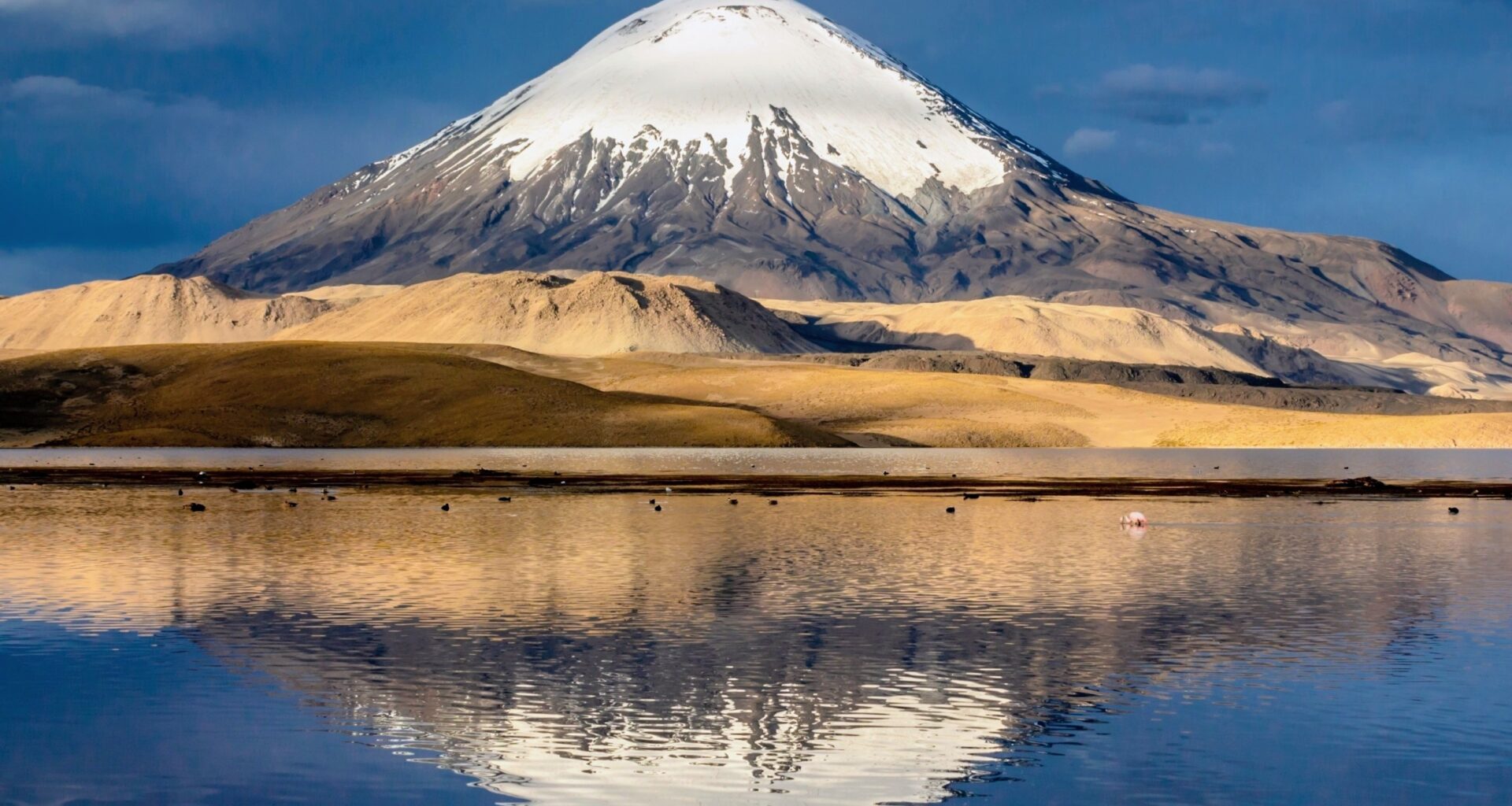
The Andes are the longest active volcanic arc on Earth, and during the Late Miocene they were especially restless.
The Altiplano-Puna Volcanic Complex, the largest active silicic magma system on the planet, produced repeated supereruptions peaking between 8 and 4 million years ago.
When these eruptions blew, they launched plumes of fine ash carrying something the open ocean desperately needs: iron, phosphorus, and silicon.
Diatoms, which build their shells from silica, are particularly keen beneficiaries.
“Once you put a lot of very important nutrients coming from volcanoes into the ocean, then your primary producers are going to go crazy, because all of a sudden they have a lot of nutrients available to them, and that, in turn, is going to affect the entire marine ecosystem,” said Carrapa.
Geography helped in this case. Westerly winds carried Andean ash eastward across the South Atlantic and into the Southern Ocean, with some falling locally into the Pacific.
Ocean life grows and changes
Scientists can see signs of this change in fossils. In sediments from the Southern Ocean, diatoms increase sharply during the Late Miocene.
There are clear spikes in productivity around 6 million and 4.5 million years ago. These periods match major volcanic eruptions in the Andes.
Whales also show a big change. Baleen whales started growing much larger around seven million years ago. Their average size increased from about 16 feet to around 39 feet.
The largest whales today, including the blue whale, which can reach about 30 meters (about 98 feet), trace their huge size back to this time.
Along the Pacific coast of Peru and Chile, the sediment record shows a darker picture. The Pisco Formation in Peru and similar deposits in Chile contain whale graveyards.
These sites preserve large numbers of marine mammals. Researchers link these deaths to repeated harmful algal blooms. Layers of volcanic ash from Andean eruptions appear throughout the same rocks.
Effects that spread worldwide
The team used computer models to test if Andean ash could supply enough nutrients. One model, called HYSPLIT, showed that ash from the Altiplano Puna region mostly travels east into the South Atlantic and further.
“To illustrate our approach, we’d say, ‘Let’s start erupting the Andes on purpose and see what happens,’” said Kaustubh Thirumalai, an associate professor in the University of Arizona’s Department of Geosciences.
“And what we found is that there is another component that wasn’t really appreciated, the biology of the ocean responds, with feedback effects on climate worldwide.”
The Community Earth System Model simulated four eruptions spaced 75 years apart.
In each case, diatom growth at the ocean surface more than doubled within two years. The ocean then pulled more carbon dioxide from the atmosphere.
Systems that supported cooling
To study longer timescales, the team used a model called cGENIE, which tracks carbon changes over thousands of years.
Repeated eruptions every 75 years reduced atmospheric carbon dioxide by about nine parts per million over 2,000 years.
More frequent eruptions, larger events, and higher dust input increased the drop to about 15 parts per million over 20,000 years.
A drop of 15 parts per million may seem small. But with other feedback effects, it likely influenced the climate. At the same time, the Amazon River began adding more nutrients to the ocean.
The Humboldt Current grew stronger. Whales also played a role by recycling nutrients and moving carbon through the ocean.
Volcanoes help cool Earth
The Late-Miocene Carbon Isotope Shift, the Biogenic Bloom, and the cooling all happened at the same time. This period matches the peak of volcanic activity in the Andes.
“Once you take the biological effects of volcanoes fertilizing the ocean into consideration, we could see a beautiful correlation between Andean volcanism and all those changes that are happening in the ocean,” Carrapa said.
She also noted that, together with the Humboldt Current, these conditions created the perfect setup where ash reaching the right areas could trigger primary production and eventually impact entire marine ecosystems, including whales.
“This work improves our understanding of how natural processes can regulate Earth’s climate, which is directly relevant to anticipating future climate change and its impacts on society,” said co-author Mark Clementz, a professor at the University of Wyoming.
The study is published in the journal Nature Communications.
—–
Like what you read? Subscribe to our newsletter for engaging articles, exclusive content, and the latest updates.
Check us out on EarthSnap, a free app brought to you by Eric Ralls and Earth.com.
—–