
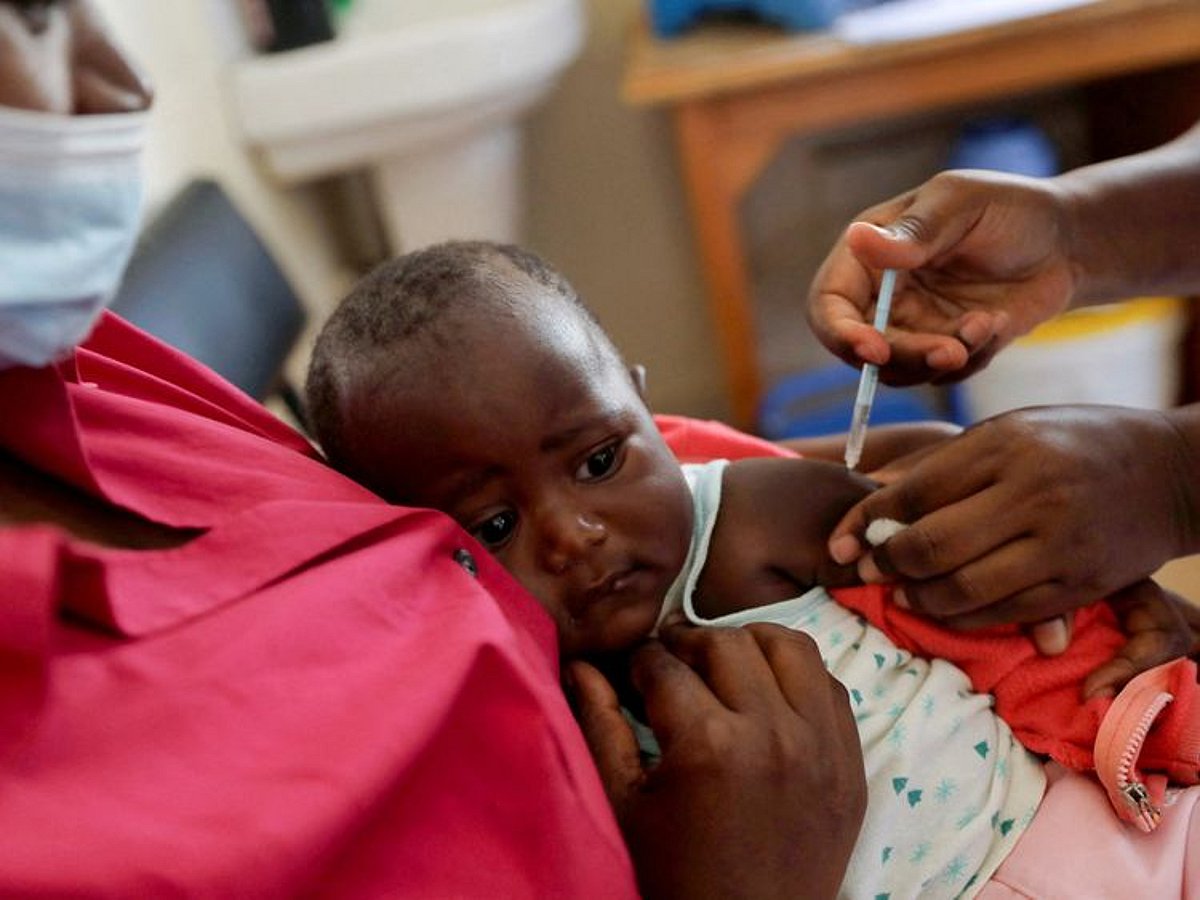
Long-standing treatment gap
Until now, infants diagnosed with malaria have been treated using formulations created for older children. Medical experts have warned that this practice can lead to risks of incorrect dosing, increased side effects, and potential toxicity.
The new formulation has been expected to reduce these risks and provide a more precise treatment option for what the organisation has described as “one of the most underserved patient groups” in malaria-endemic regions.
According to WHO, around 30 million babies are born each year in areas of Africa where malaria is widespread, highlighting the scale of need for age-appropriate treatment solutions.
‘The story is changing’
For his part, Dr. Tedros Ghebreyesus, director-general of WHO, has welcomed the development and mentioned that global efforts against malaria are entering a new phase.
“For centuries, malaria has stolen children from their parents, and health, wealth, and hope from communities. But today, the story is changing. New vaccines, diagnostic tests, next-generation mosquito nets and effective medicines, including those adapted for the youngest, are helping to turn the tide,” said Ghebreyesus in a statement.
In last year’s World Malaria Report, it has been revealed that there were an estimated 282 million malaria cases and 610,000 deaths globally in 2024, an increase compared to 2023.
Moreover, it has shown that 47 countries have been certified malaria-free, while 37 countries reported fewer than 1,000 cases in 2024. However, this has also signalled a slowdown in global progress.

Tricia is a reporter and anchor whose work focuses on people, policy, and the Filipino community at home and abroad. Her reporting spans national affairs, overseas Filipinos, and major developments across the Middle East. She holds a degree in Broadcasting and has contributed to leading media organisations. With experience across television, print, and digital platforms, Tricia continues to develop a clear, credible voice in a rapidly evolving global media landscape.