
1
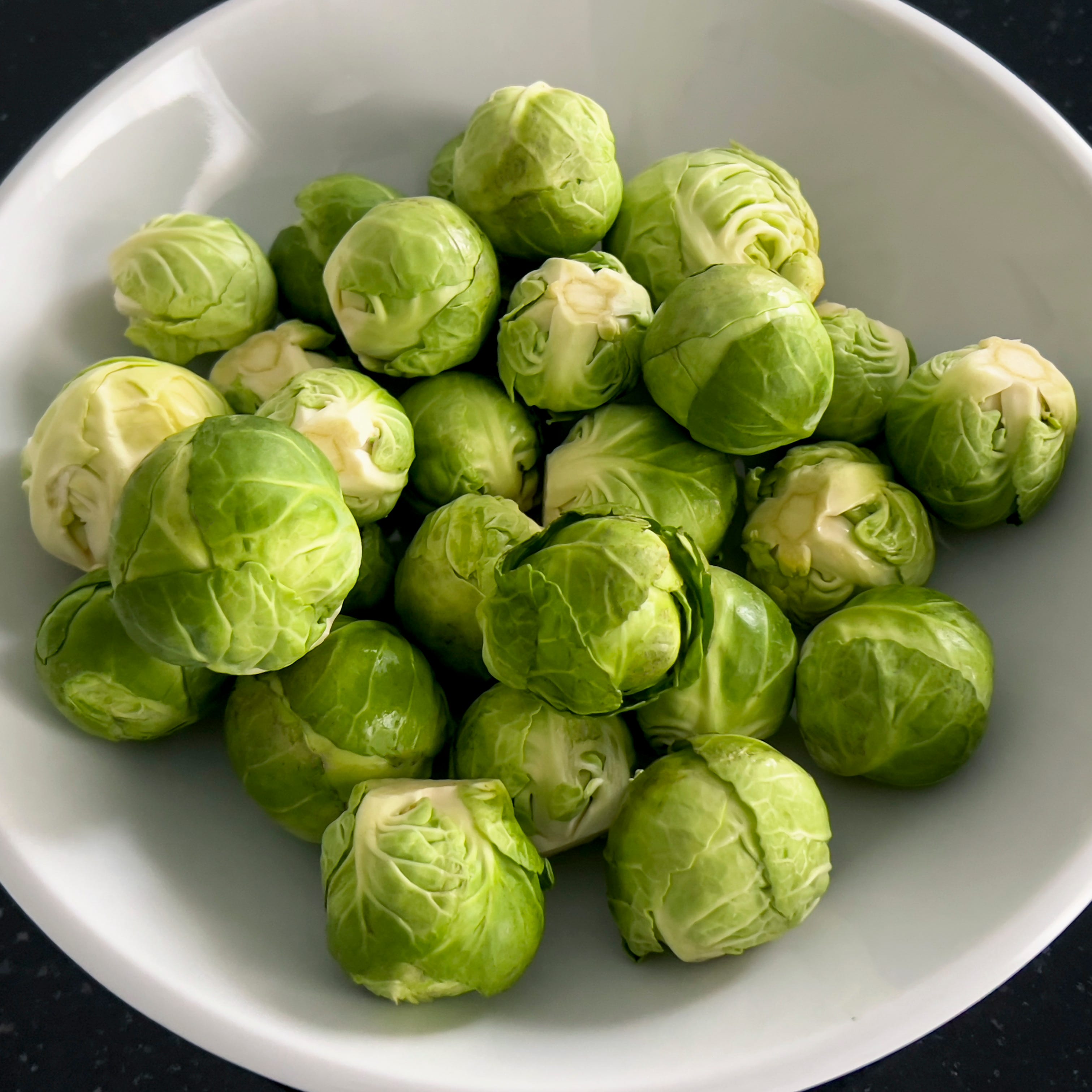
Brussels Sprouts
 Feifei Cui-Paoluzzo//Getty Images
2 grams of protein in ½-cup
These little green guys get a bad rap in the taste department—especially the frozen variety—but they’re actually nutritional superstars. In addition to protein, brussels sprouts pack hefty doses of potassium and vitamin K.
2
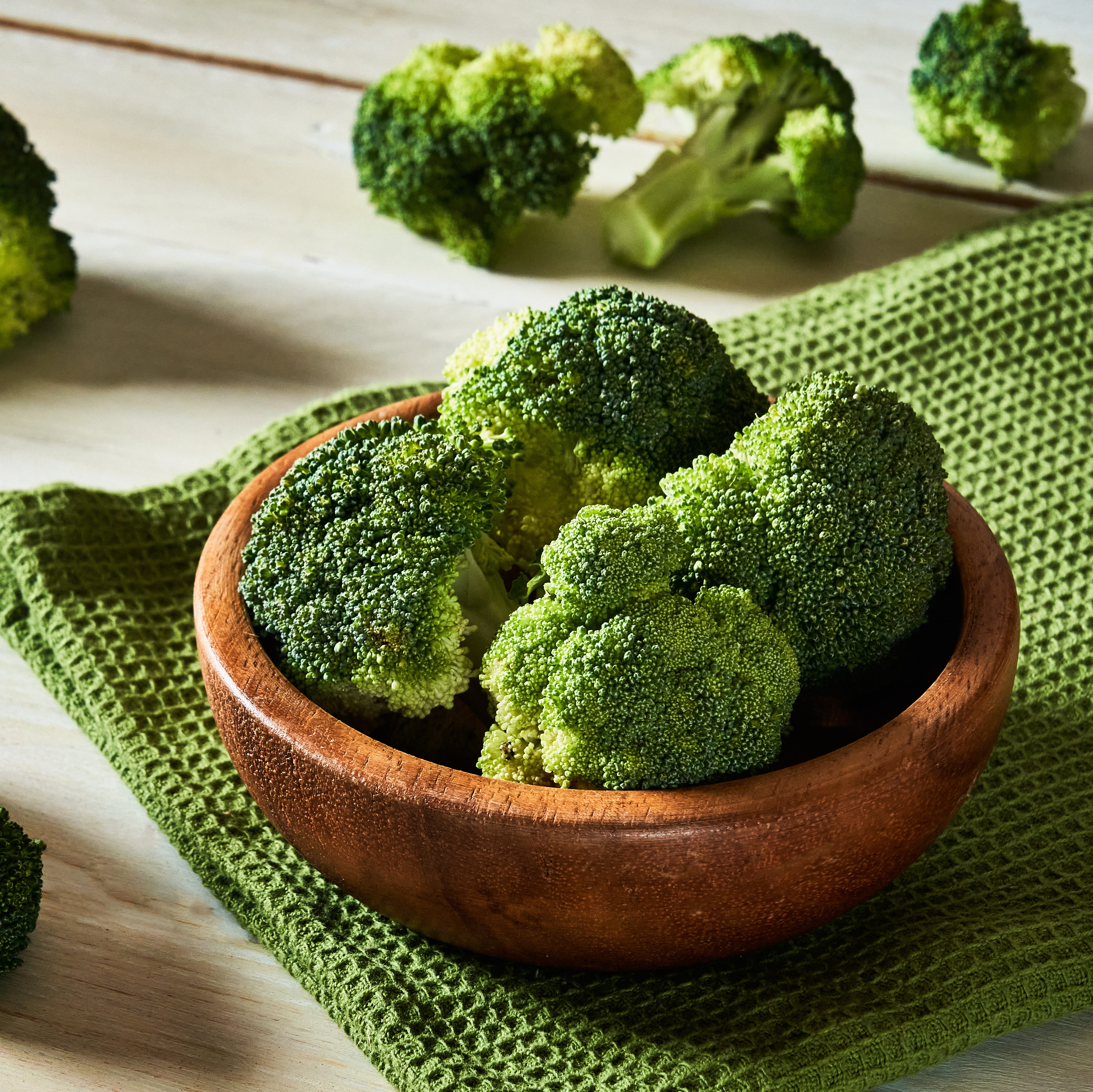
Broccoli
 Helen Camacaro//Getty Images
2 grams of protein in ½-cup (cooked)
Broccoli’s not only an awesome source of fiber, its protein content is surprising, too (for a veggie anyway). And you can’t go wrong with a vegetable that’s been proven to deliver cancer-fighting compounds like sulforaphane.
Advertisement – Continue Reading Below
3
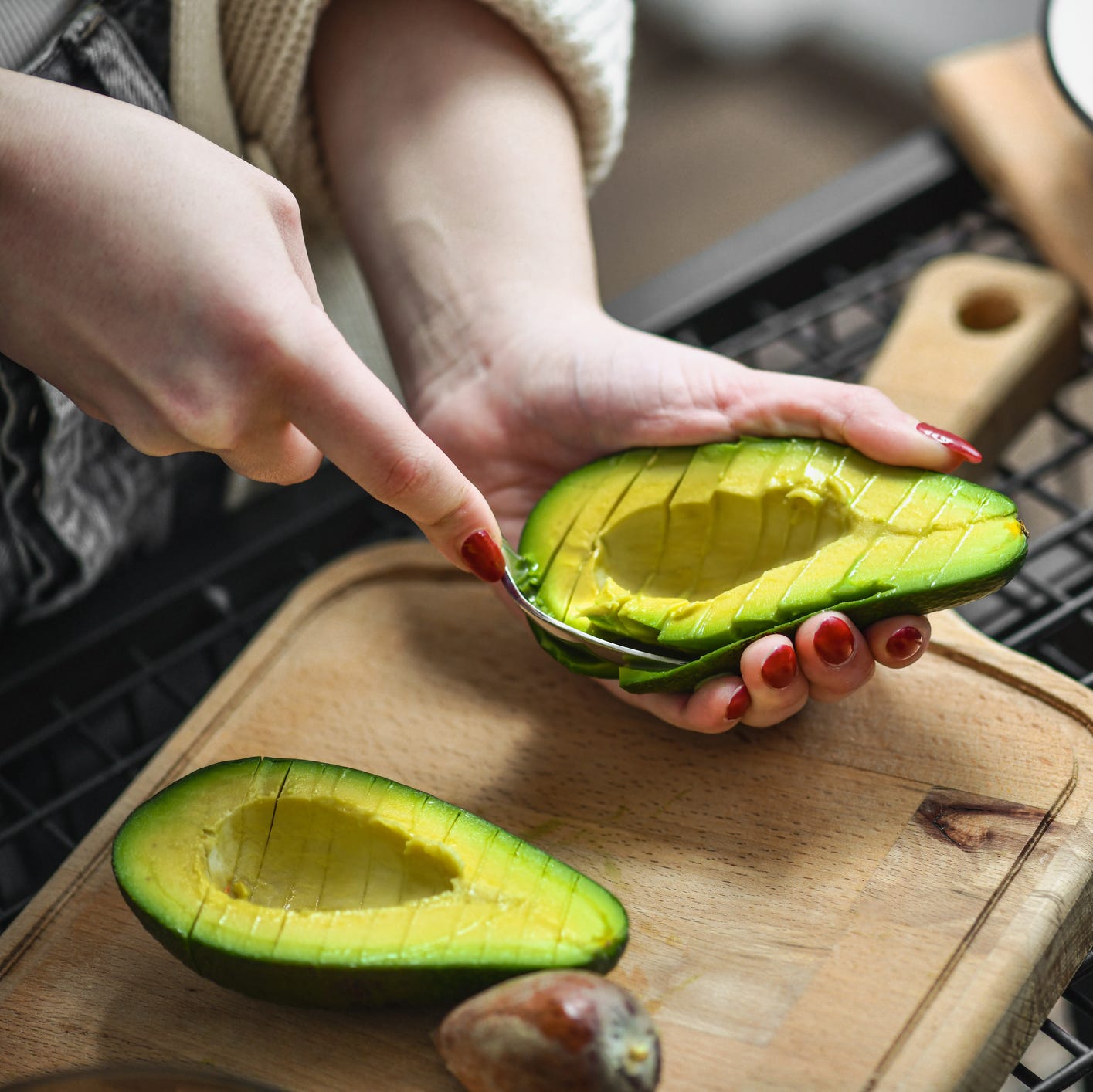
Avocado
 AleksandarGeorgiev//Getty Images
2 grams of protein in ½ avocado
This fruit is creamy, dreamy, and super filling, thanks to its bend of monounsaturated fatty acids and a bit of protein. For a new spin on everyone’s favorite guacamole ingredient, you can even make it into a smoothie.
4
Corn
 OsakaWayne Studios//Getty Images
2.5 grams of protein in ½-cup
Like potatoes, corn often gets put into the “plants with no redeeming qualities” category, but paired with protein-rich veggies and legumes, it can nicely round out a protein-packed plant-based dish. Pick organic or non-GMO fresh or frozen varieties, though, as most conventional corn has been genetically modified.
Advertisement – Continue Reading Below
5
Spinach
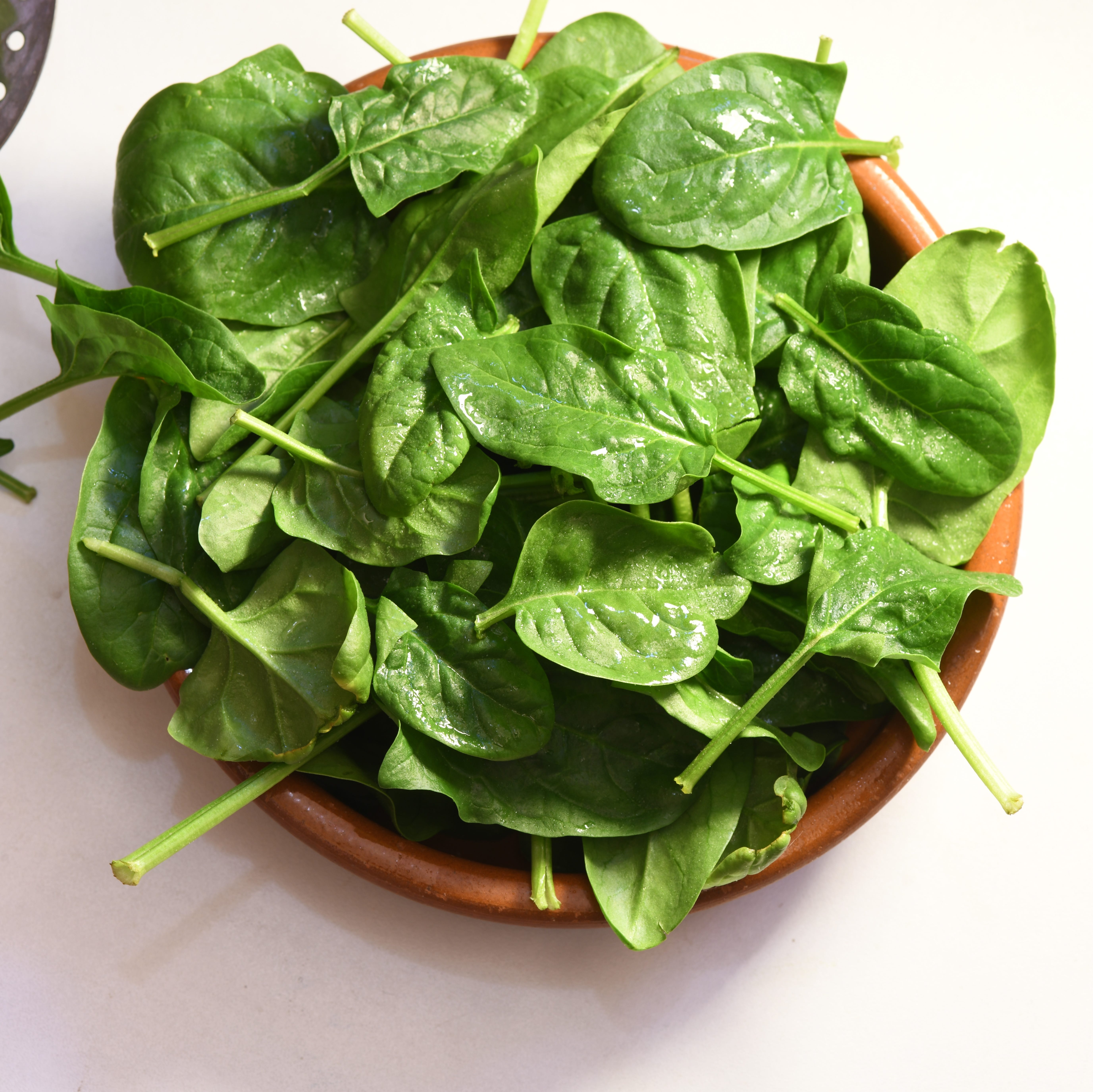 Minh Hoang Cong / 500px//Getty Images
3 grams of protein in ½-cup (cooked)
Sure, 3 grams may not sound like a lot, but for a green veggie it is. Still, don’t just make a salad and call it a day. Cooking this green is the secret to upping its protein content.
6
Potatoes
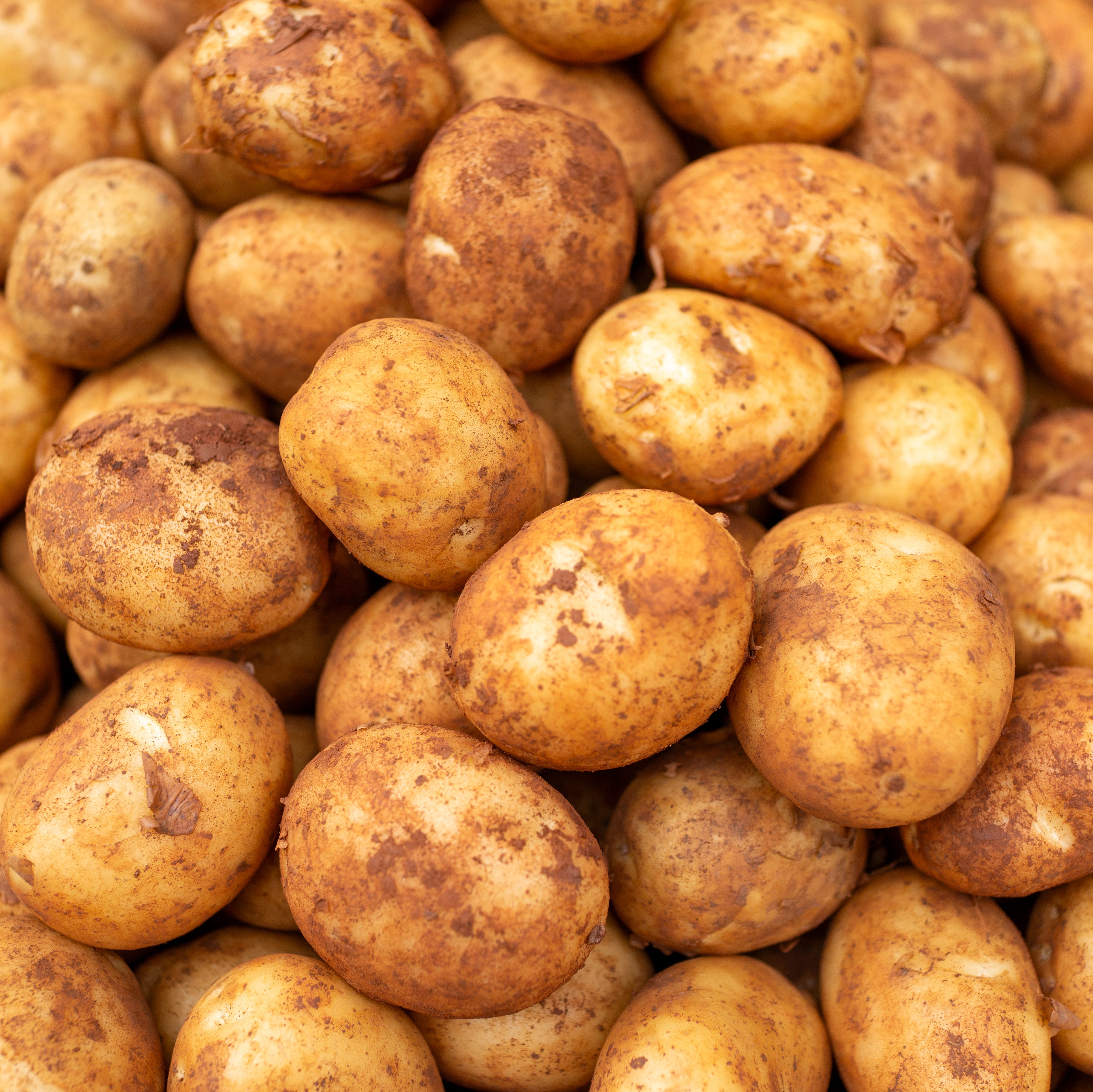 wulingyun//Getty Images
3 grams of protein in 1 medium white potato
Another stealth source of protein! Despite having a reputation for being pretty much devoid of all nutrition, a medium-sized spud actually contains a good bit of protein, along with about 20 percent of the recommended daily intake of heart-healthy potassium, per The Alliance for Potato Research & Education.
Advertisement – Continue Reading Below
7
Pumpkin Seeds
 Javier Zayas Photography//Getty Images
9 grams of protein in ¼-cup
Pumpkin seeds aren’t just a super convenient way to get a dose of satiating protein, they’re total nutrient powerhouses. The snack contains about half the recommended daily intake of magnesium, along with immune-boosting zinc, plant-based omega-3s, and tryptophan—which can help ease you into a restful slumber.
8
Cashews
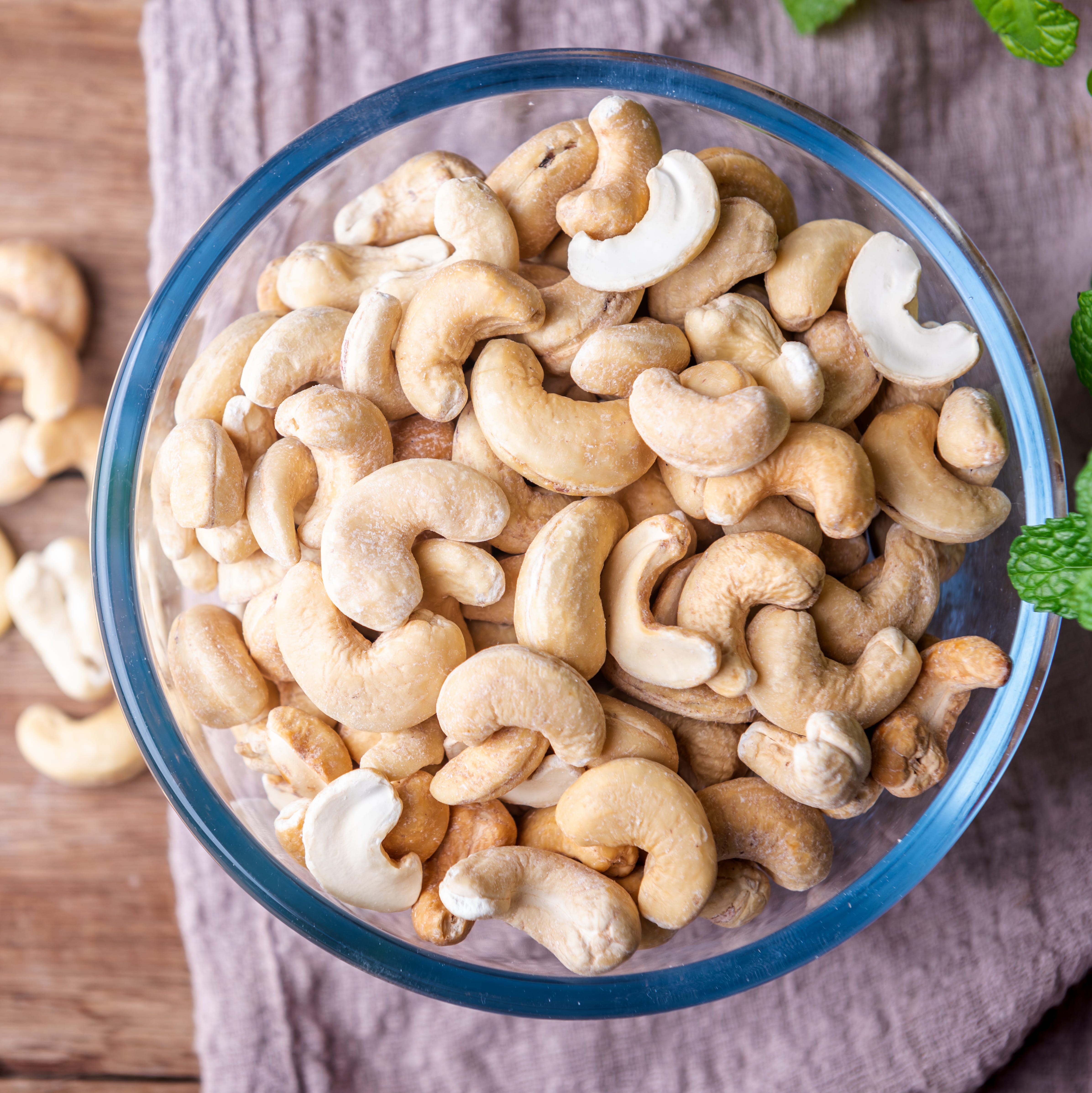 HUIZENG HU//Getty Images
5 grams of protein in ¼-cup
In addition to a decent protein punch, cashews are a great way to increase your magnesium intake, according to UCLA Health. They’re also high in vitamin K, so it’s an ideal for those looking to support bone density.
Advertisement – Continue Reading Below
9
Steel-Cut Oats
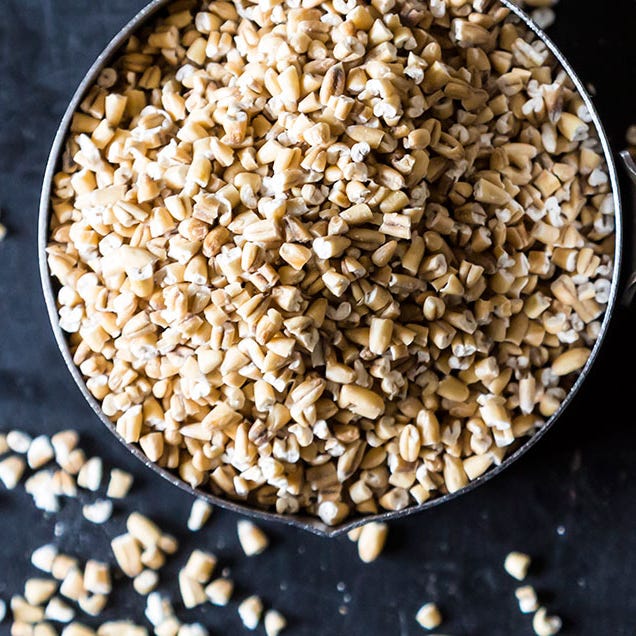 James Ransom
5 grams of protein in ¼-cup (dry)
Steel-cut oats aren’t just a solid source of protein; they also have a lower glycemic index than rolled oats. This means they don’t spike blood sugar as much, so you’re likely to be more satisfied and experience fewer cravings after eating them.
10
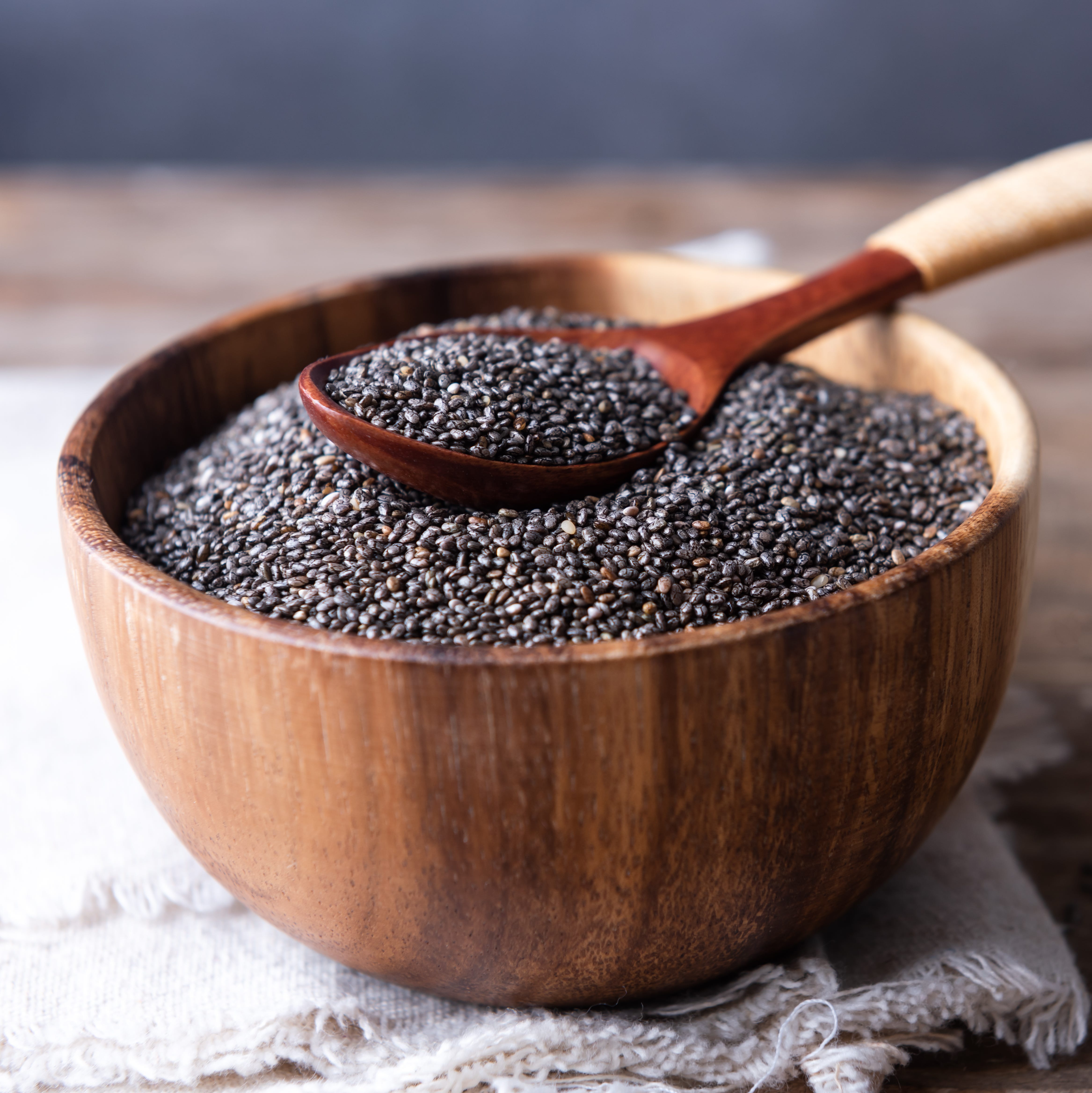
Chia Seeds
 HUIZENG HU//Getty Images
5 grams of protein in 2 tablespoons
Chia packs a ton of protein in those pint-sized seeds, which are also a great source of alpha-linolenic acid (ALA), a type of plant-based omega-3 fatty acid. Bonus: Omega-3s help stimulate the satiety hormone leptin, which signals your body to burn these fats instead of storing them.
Advertisement – Continue Reading Below
11
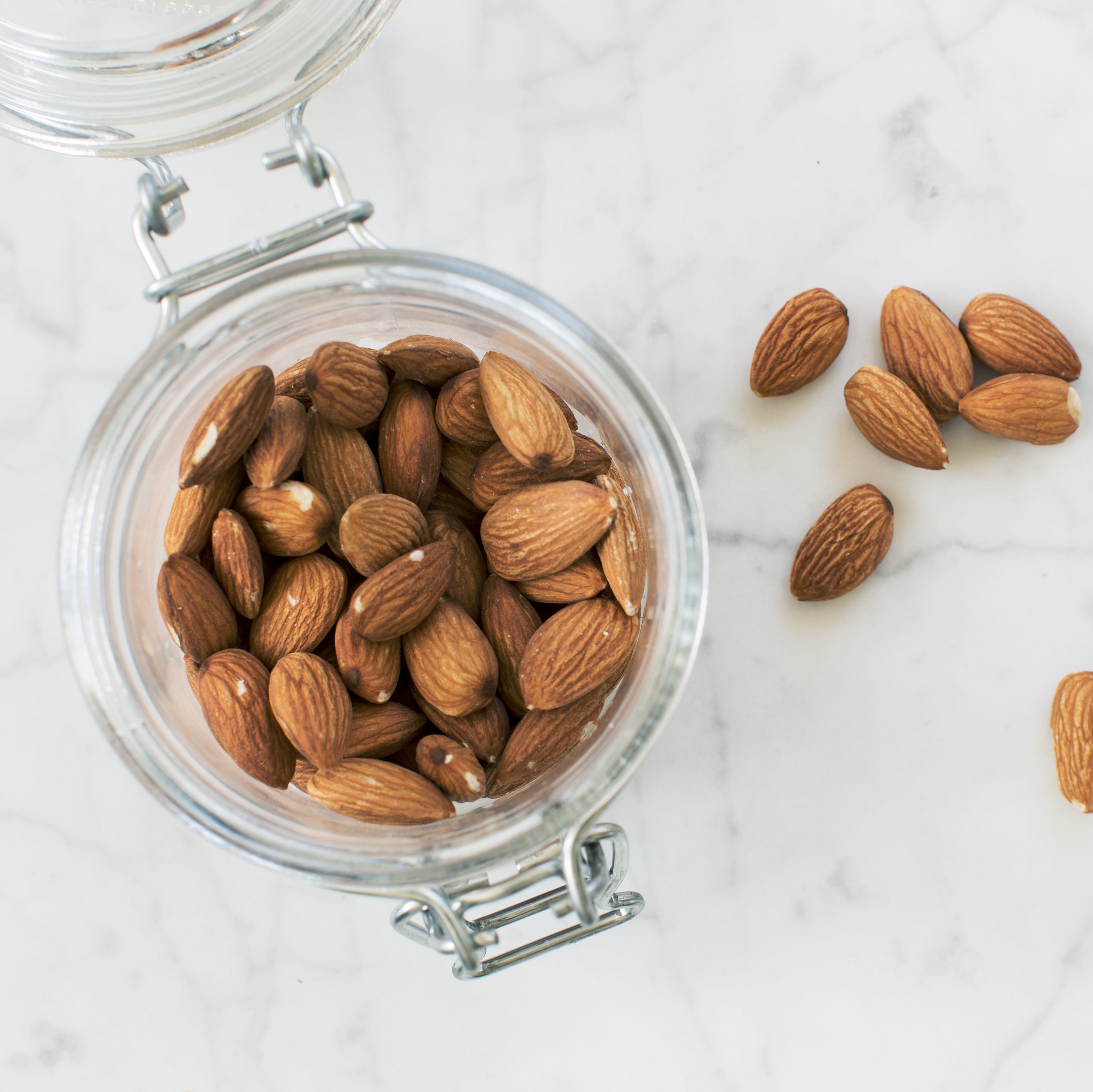
Almonds
 Kentaroo Tryman//Getty Images
7 grams of protein in ¼-cup
Along with protein, almonds deliver some serious vitamin E, which is great for the health of your skin and hair. They also provide magnesium, which can help curb sugar cravings, soothe PMS-related cramps, boost bone health, and ease muscle soreness and spasms.
12
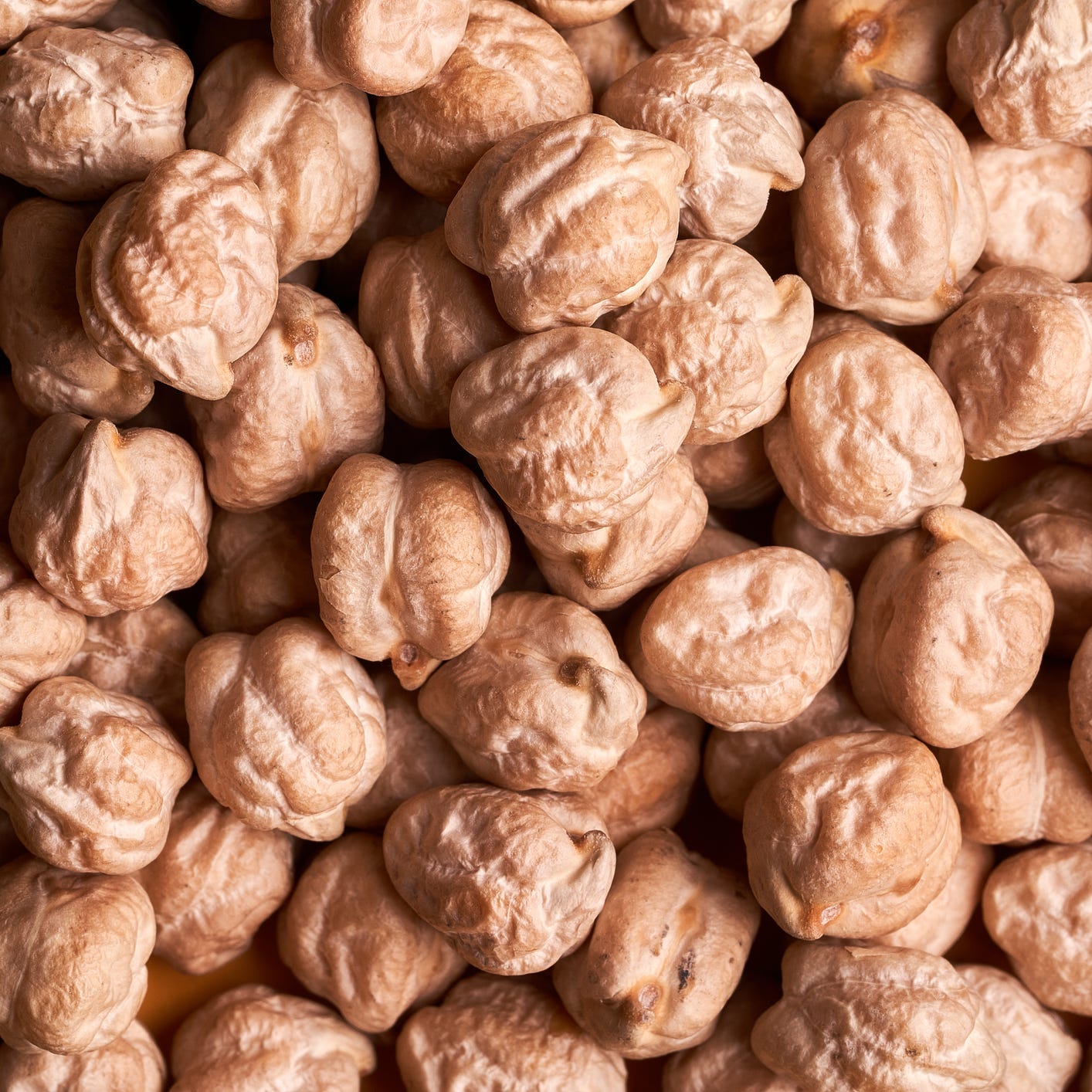
Chickpeas
 Javier Zayas Photography//Getty Images
6 grams of protein in ½-cup
Permission to eat all the hummus—well, maybe not all of it, but the combo of protein and fiber in chickpeas (a.k.a. garbanzo beans) make for one healthy dip. Try it slathered on sandwich bread in place of mayo, or serve up a tasty hummus recipe with veggie slices.
Advertisement – Continue Reading Below
13
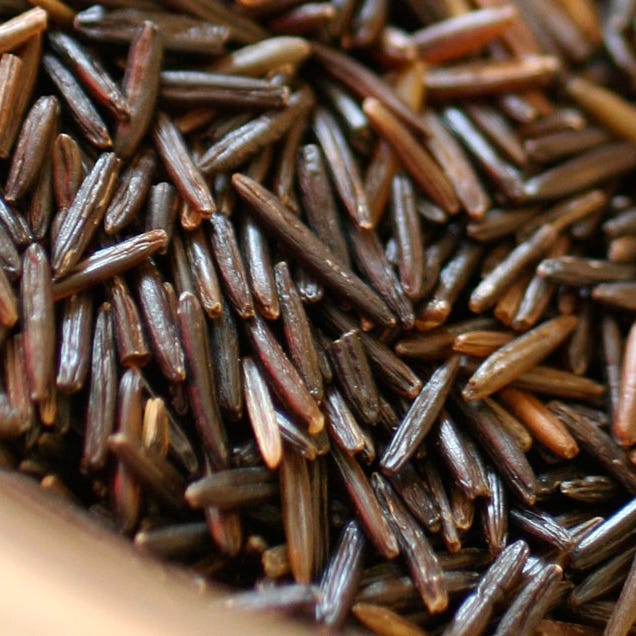
Wild Rice
 Whitney via Flickr and licensed under Creative Commons Attribution
6.5 grams of protein in 1-cup (cooked)
Move over, quinoa. Wild rice is the protein-rich grain you should be gravitating toward. With a nutty taste and slightly chewy texture, it’s way more satisfying, too. For a comforting (but clean) meal, try something like a wild rice casserole.
14
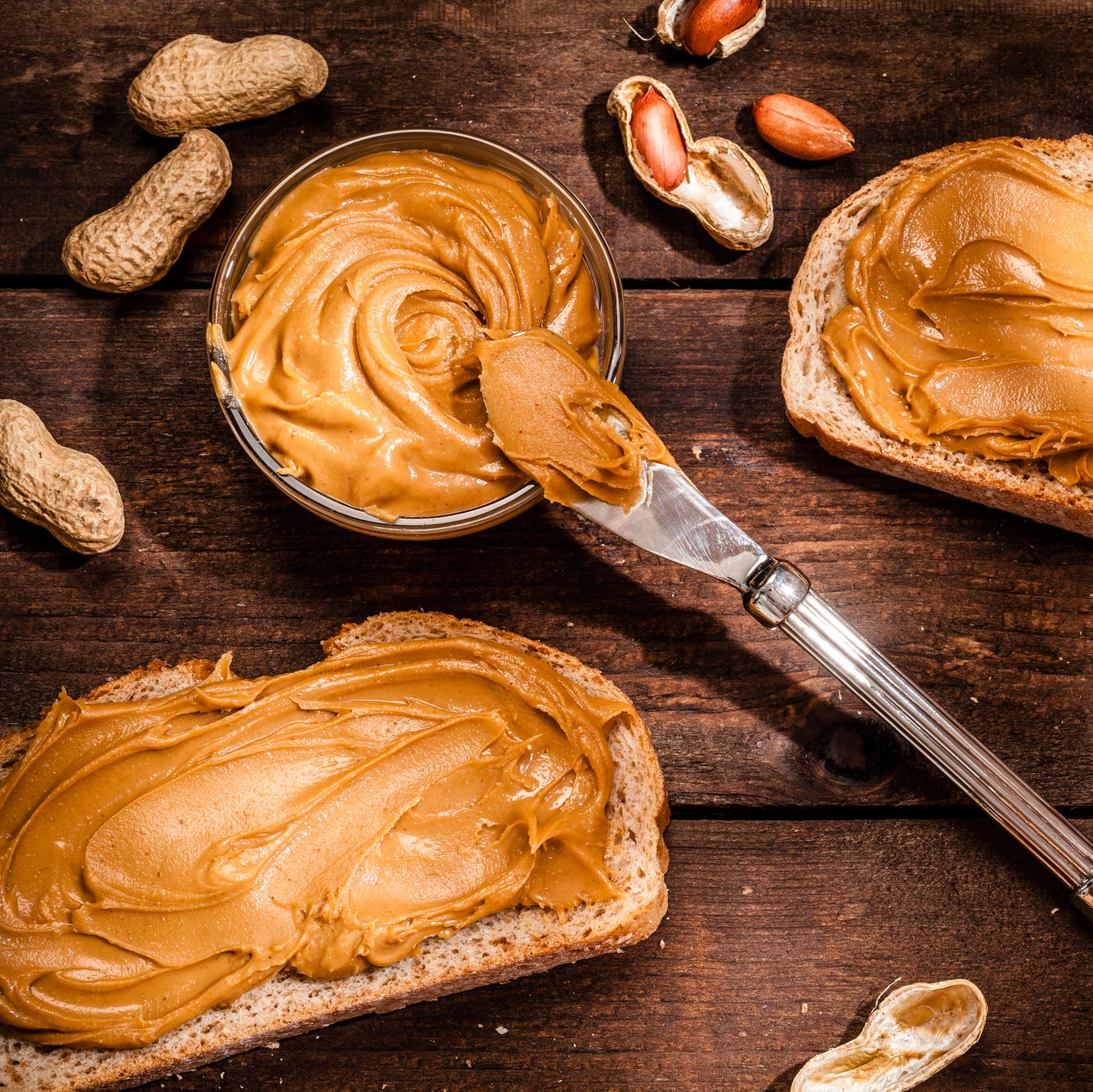
Peanuts and Peanut Butter
 fcafotodigital//Getty Images
7 grams of protein in ¼-cup (or 2 tablespoons of peanut butter)
Not only are peanuts and peanut butter great for munching and whipping up classic childhood comfort food, they’re also super versatile. They’ve also been shown to help you eat less at lunch if you consume them at breakfast—aka the second-meal effect. PB and banana, anyone?
Advertisement – Continue Reading Below
15
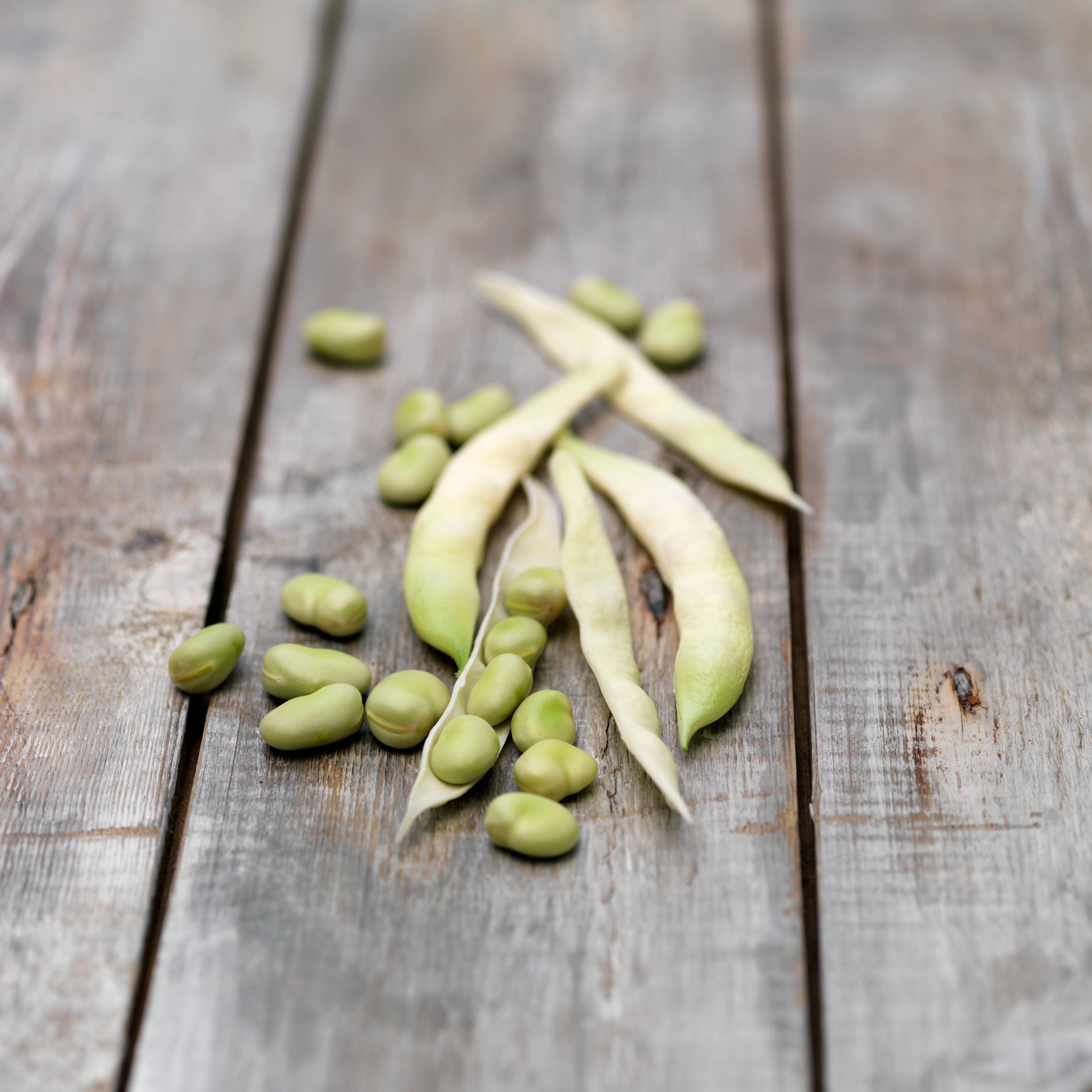
Lima Beans
 Diana Miller//Getty Images
6.6 grams of protein in ½-cup (cooked)
In addition to filling protein, lima beans contain the amino acid leucine, which may play a big role in healthy muscle synthesis among older adults. They’re often used in Southern and Mediterranean dishes, like soups, salads, and bakes.
16
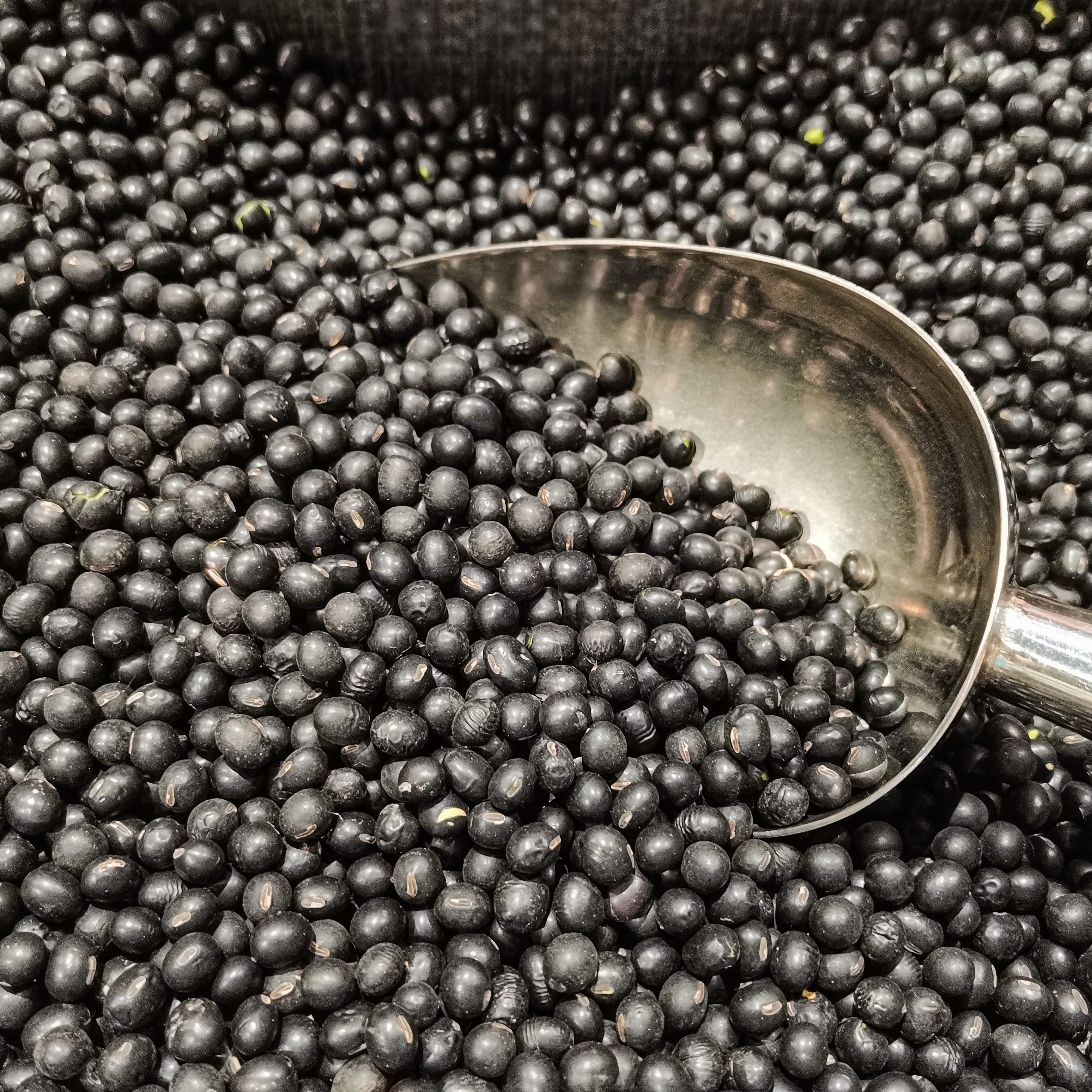
Black Beans
 Yurou Guan//Getty Images
7.6 grams of protein in ½-cup (cooked)
Black beans are also packed with heart-healthy fiber, potassium, folate, vitamin B6, and a range of phytonutrients. They also make a killer batch of black bean brownies!
Advertisement – Continue Reading Below
17
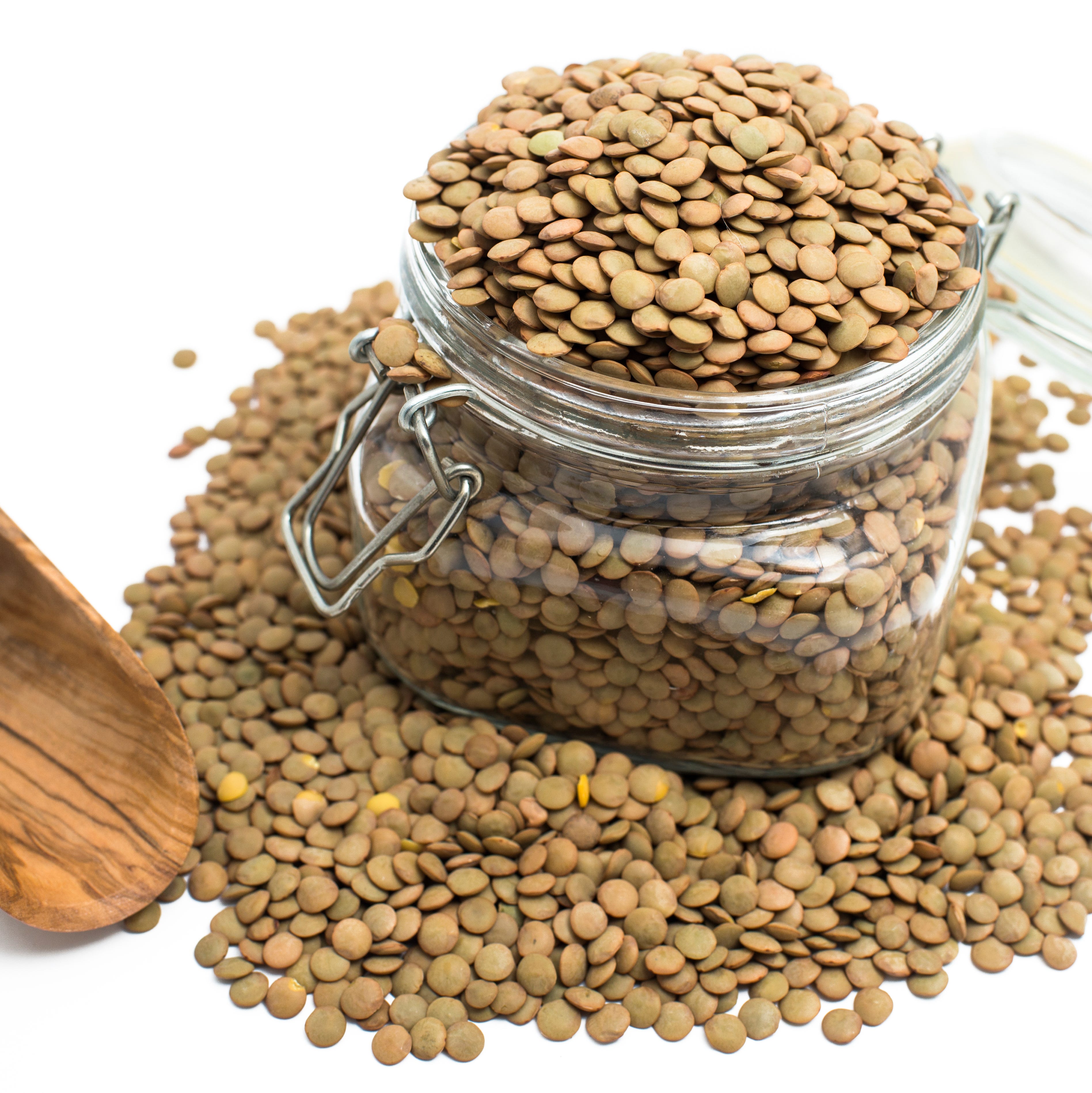
Lentils
 F.J. Jimenez//Getty Images
9 grams of protein in ½-cup
Low-cal, high-fiber, and high-protein lentils can be morphed into a nutrient-dense side dish, veggie burger, or even whipped into a hummus-like dip. They’ve been shown to lower cholesterol and reduce risk of heart disease.
18
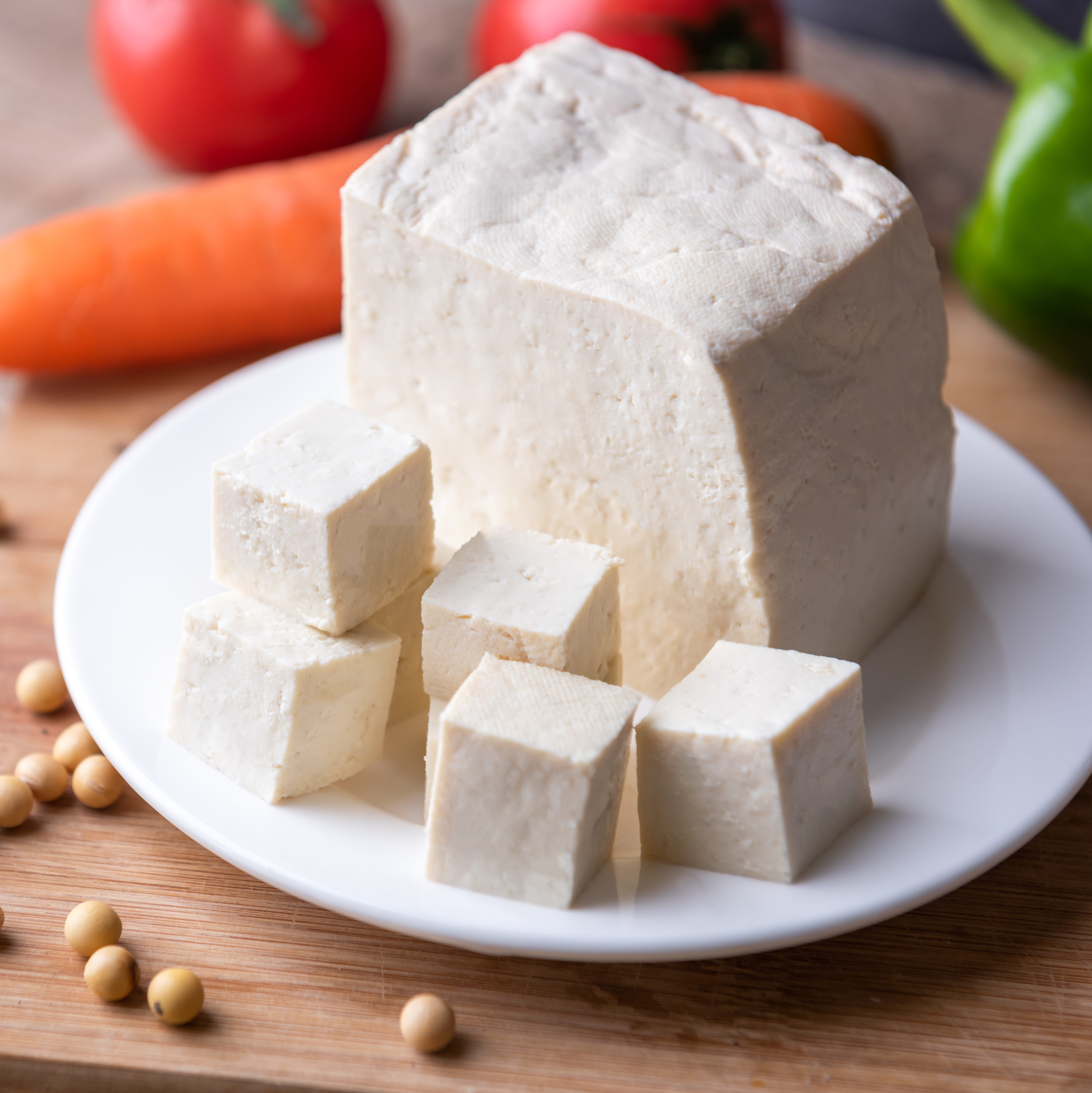
Tofu
 HUIZENG HU//Getty Images
12 grams of protein in 3 ounces
Ah, tofu, the classic vegetarian blank slate made from curdled soy milk. It’s wonderful pan-fried, sautéed in a stir-fry, and even scrambled. Though it’s not quite as protein-packed as other meat alternatives (see below), its taste may be more tolerable. Opt for organic varieties to avoid genetically modified soy and funky pesticides.
Advertisement – Continue Reading Below
19
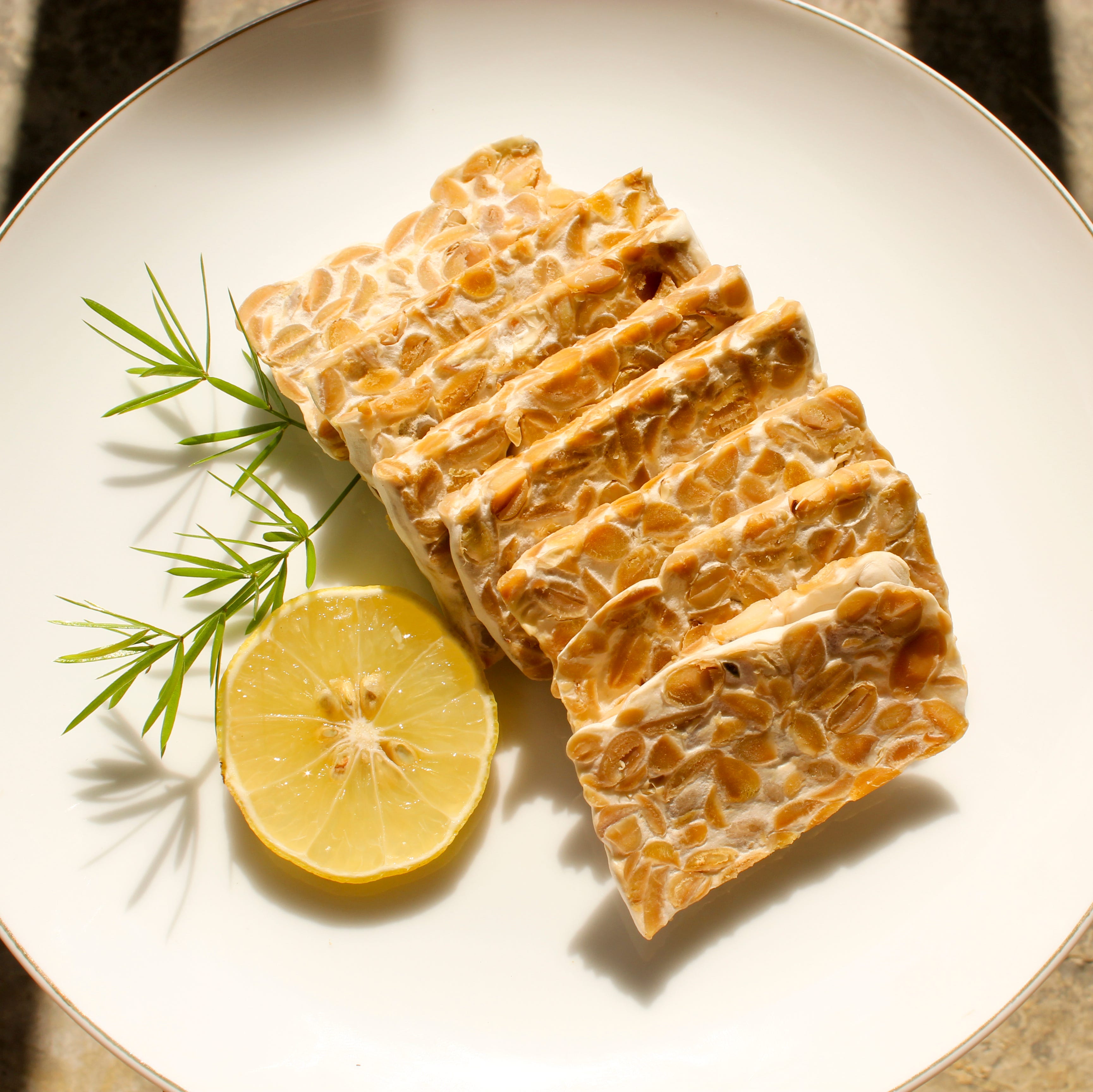
Tempeh
 Ar razzaq//Getty Images
16 grams of protein in 3 ounces
Tempeh is made by fermenting cooked soybeans and shaping it into a dense cake that can be sliced and pan-fried like tofu. It’s nutty, chewy, and packs significantly more protein and fiber than tofu—and some find it easier to digest because it’s fermented.
20
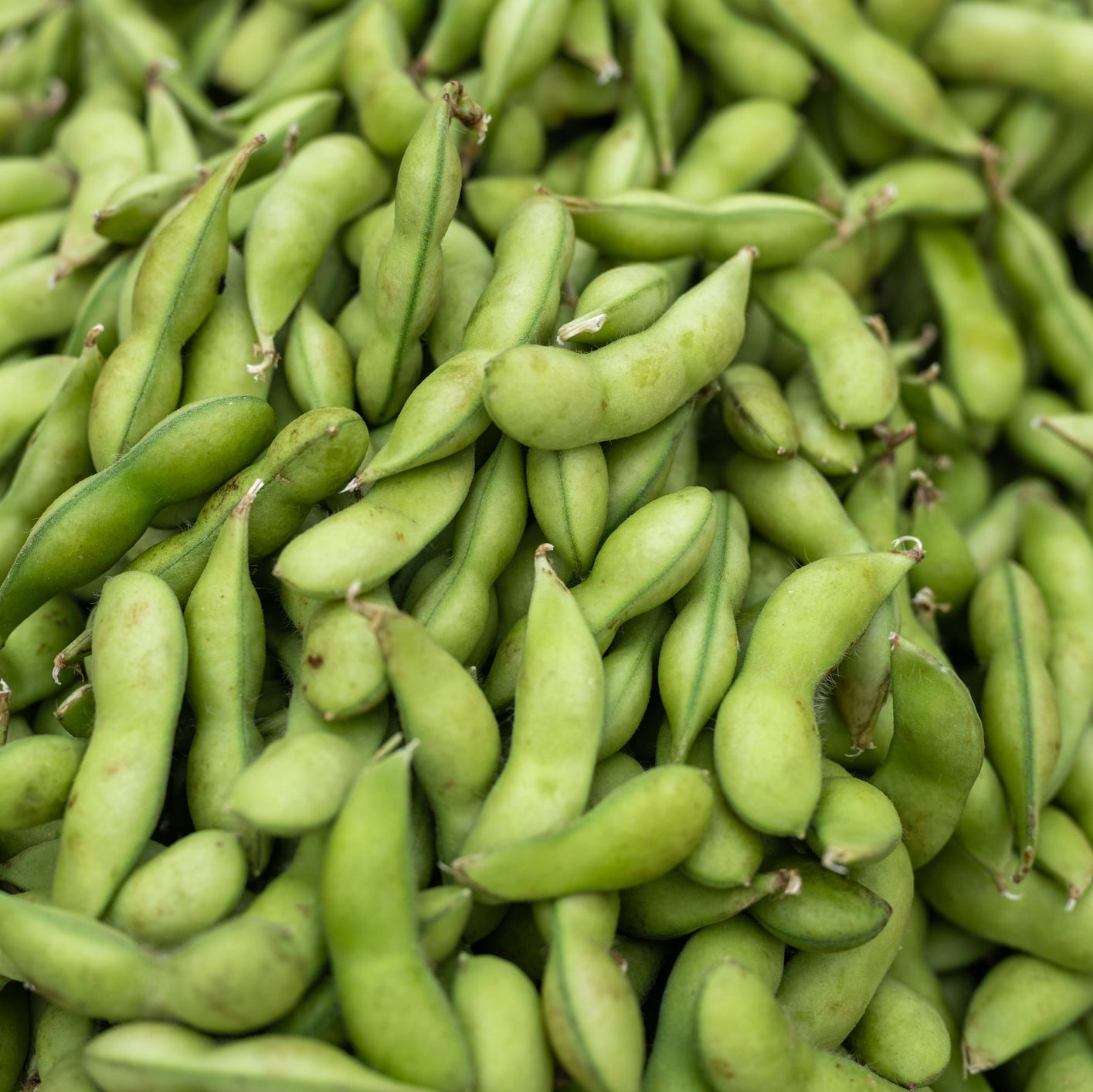
Soybeans
 Wang Yukun//Getty Images
29 grams of protein in 1-cup (cooked)
Talk about healthiest appetizer ever—just a cup’s worth of edamame (or cooked soybeans) packs a huge protein punch. Be sure to pick an organic variety, though, as most soybeans in the US are genetically modified and heavily treated with pesticides.
Advertisement – Continue Reading Below
Advertisement – Continue Reading Below
Advertisement – Continue Reading Below