
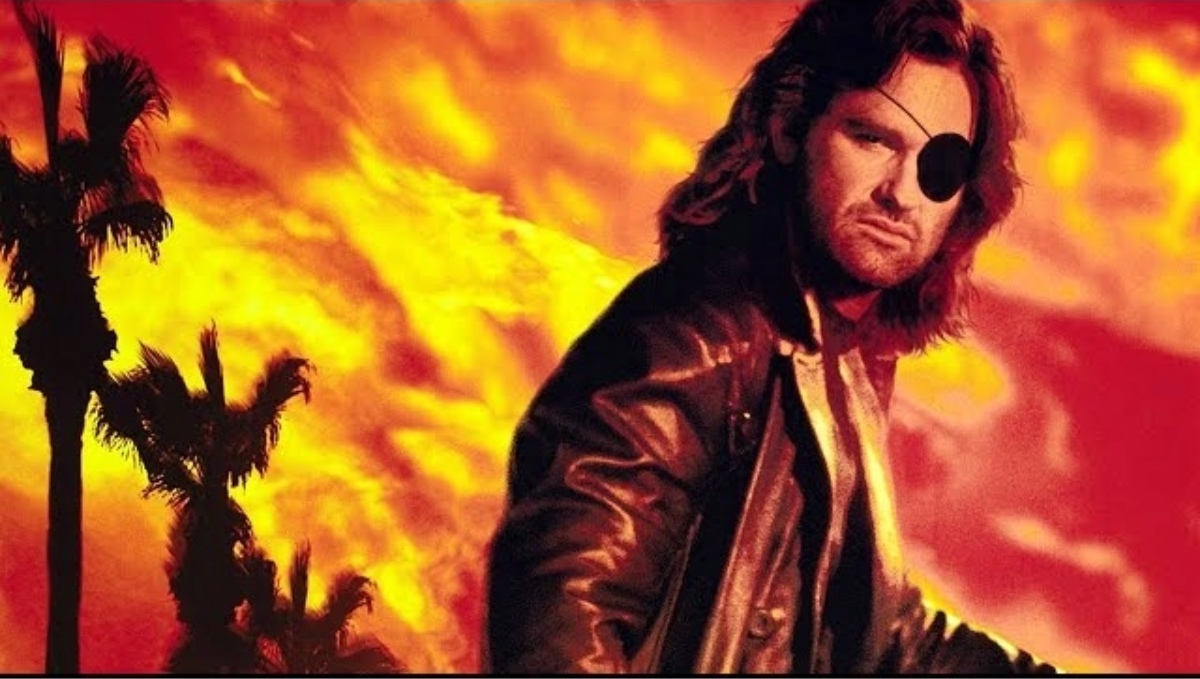
A scorned sequel is the hill a beloved director chooses to die on, insisting it towers over the original, and at least one legendary critic agrees. What if the punchline of the 90s is the prophecy of today?
John Carpenter doubled down on Snake Plissken with 2013: Rescate en Los Angeles, only to watch the box office look the other way. Critics called it a glossy retread of 1997: Rescate en Nueva York, lighter on grit and heavy on déjà vu. Carpenter insists the sequel is the wiser film, and Roger Ebert backed him, filing a rare defense amid the jeers. The debate is easy to revisit today, with rentals on Prime Video and Rakuten TV inviting a fresh verdict.
Why John Carpenter believes this sci-fi sequel is better than the original
Some movies age like campfire stories, growing richer each time we retell them. John Carpenter thinks that is precisely the case with his 1996 follow-up to the cult hit Escape from New York. He has long argued that Escape from L.A. is a more mature, sharper film, even calling it “10 times better” than the first (in Creative Screenwriting). Was it unfairly judged?
A director’s confidence in an underestimated sequel
Carpenter, the steady hand behind genre landmarks, has never wavered in defending this sequel. He and Kurt Russell doubled down on Snake Plissken’s worldview, not just his swagger. The result, he says, is a movie with bolder satire, pointed targets, and a hero who finally confronts what his rebellion stands for. That confidence still echoes, decades later.
Two films, one rebellious anti-hero
The original Escape from New York (1981) turned Kurt Russell into the eye-patched emblem of dystopian cool. Snake stalked a nightmarish Manhattan, and the film’s grit, synth score, and mood made it a cornerstone of sci-fi action. Fifteen years later, Escape from L.A. shifted the chaos to a ruined Los Angeles, with Russell returning alongside Peter Fonda and Cliff Robertson. It opened in the US on August 9, 1996.
The sequel carried a reported $50 million budget and earned about $25.5 million worldwide. Its tone was brighter, its humor cheekier, and some fans bristled. Many read its echoes of the original as repetition rather than deliberate mirroring. Others saw a playful, satirical riff on power, celebrity, and control.
A misunderstood gem?
Carpenter insists the film’s choices were intentional, not accidental. Legendary critic Roger Ebert agreed, praising its satirical edge and playful bravado. Indeed, the movie repeatedly pokes at American obsessions and fears, then pushes Snake toward a final act that reframes his myth. If New York forged his legend, Los Angeles tests his conscience.
Sharper targets: culture wars, moral policing, disaster profiteering
Set pieces that wink at absurdity, like the infamous surf escape
An ending that forces Snake to choose principle over survival
Where to watch it now
Curious to weigh Carpenter’s claim for yourself? Escape from L.A. is available to rent or buy in the US on Prime Video, Apple TV, Google Play, and Vudu. Viewed today, its bold swings and punchy satire feel surprisingly current. Give it a fresh spin, then decide whether Snake’s second ride truly outpaces his first.