
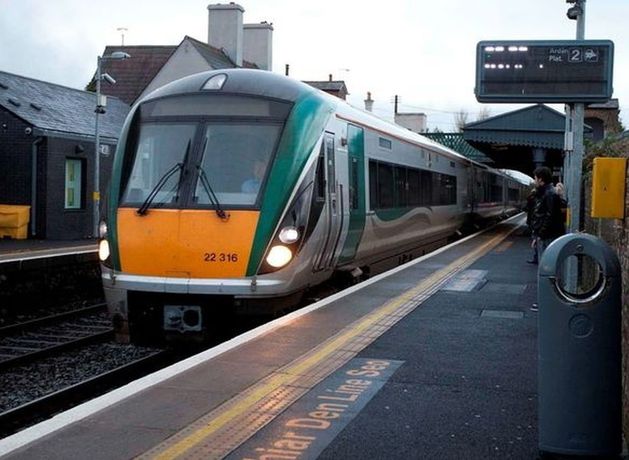
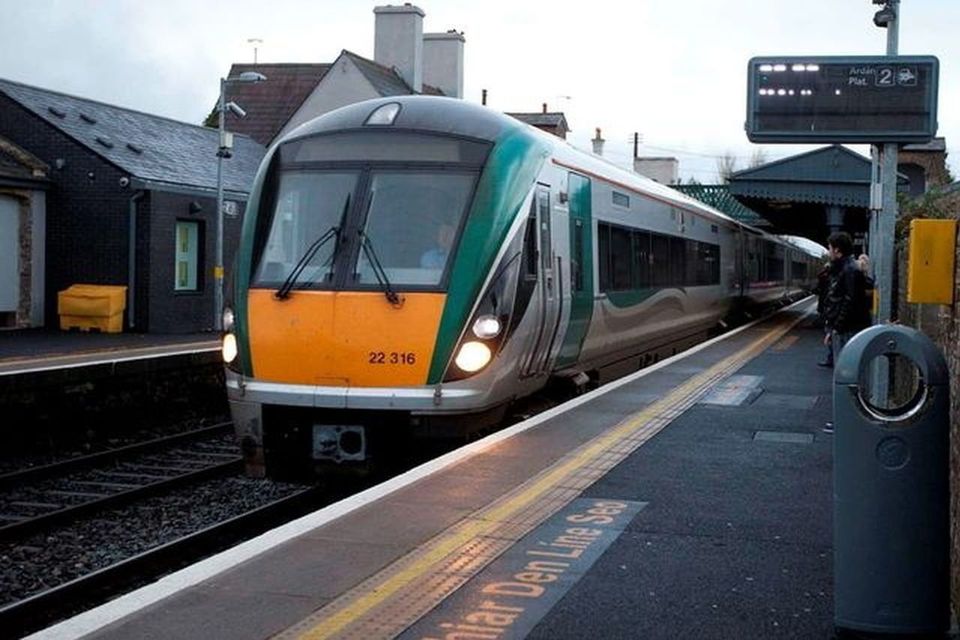
Irish Rail train.

Wicklow-Wexford TD Malcom Byrne (right) Photo: Sam Boal/Collins Photos

A newly released response to a series of parliamentary questions from Wicklow Wexford TD Malcolm Byrne has revealed that Irish Rail have effectively acknowledged that the Dublin–Rosslare rail line is being operated with lower‑quality trains by design, despite years of complaints about overcrowding, poor comfort and a lack of investment in the South‑East rail corridor.
In a letter dated April 24, Irish Rail chief executive Mary Considine confirmed that peak‑time services on the line continue to rely on the ageing 29000 class commuter railcars, trains widely criticised by passengers for their cramped seating, lack of tables, and absence of luggage space. These units are typically used on short‑distance commuter routes rather than intercity journeys of up to three hours.
Ms Considine stated that while InterCity railcars (ICRs) operate the majority of services on the route, the 29000s are deployed at busy times because they offer “significantly higher capacity per carriage when seating and standing is taken into account”. She added that peak‑time passengers on the route are “predominately daily commuters travelling to stations between Greystones and Gorey”, implying that comfort and long‑distance facilities are not considered essential for these services.
The explanation is likely to frustrate campaigners and local representatives who argue that the Rosslare line is a strategic intercity route serving Wexford, Wicklow and the wider South‑East region and should be treated accordingly. Passenger numbers on the line have surged in recent years, with stations such as Gorey experiencing some of the fastest growth in the country.
In a separate response to Deputy Byrne’s question on platform lengths, Ms Considine confirmed that all stations on the route already have platforms long enough to accommodate five‑carriage ICR trains. This directly contradicts previous statements from Irish Rail suggesting that platform constraints prevented the use of longer or more modern trains on the line.
“There is no project to lengthen platforms on the Rosslare route south of Wicklow currently funded,” the letter states, a line that will raise further questions about the Government’s commitment to upgrading the corridor.
The clarification that platform length is not the limiting factor is likely to intensify scrutiny of Irish Rail’s fleet allocation decisions. Critics have long argued that the South‑East is being deprioritised in favour of Dublin commuter services, with the Rosslare line treated as an overflow route rather than a core intercity connection.
The issue comes amid wider controversy over the future of the line, including proposals floated in recent years to terminate Rosslare services at Wicklow or Greystones and require passengers to transfer to the Dart. Deputy Byrne is among those who have warned that such a move would amount to a downgrading of the region’s rail connectivity.
Deputy Byrne is expected to seek further clarification, particularly on whether the Government intends to provide modern rolling stock or increase capacity on the route. For now, the official response appears to confirm what many passengers have long suspected: the Rosslare line is not being prioritised for investment, and comfort is taking a back seat to capacity.
Funded by the Local Democracy Reporting Scheme