
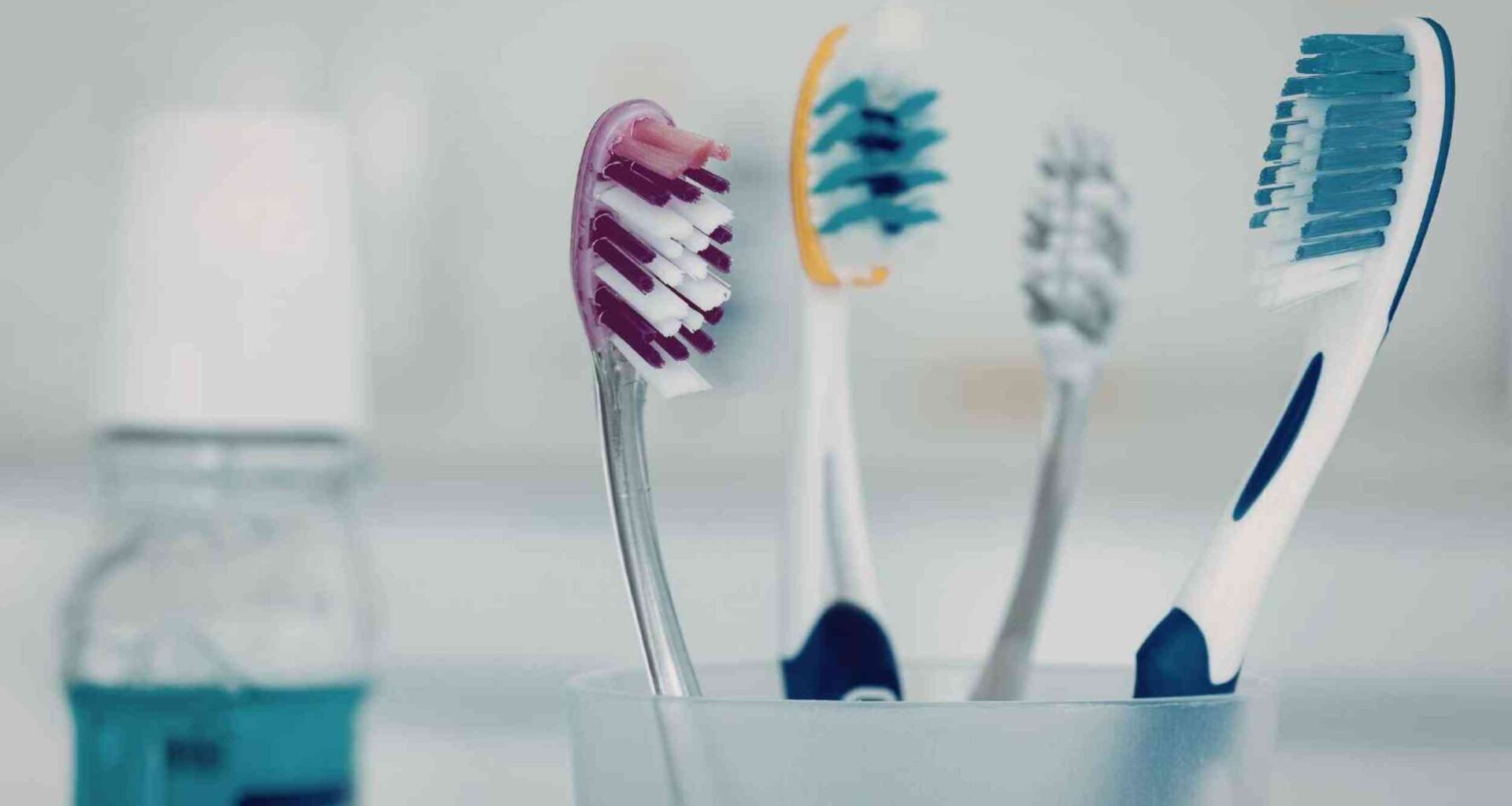
Scientists have identified the bacterial membrane molecule that lets graphene oxide toothbrushes tear open harmful microbes while sparing nearby human cells.
The discovery turns a popular antibacterial toothbrush into evidence for a broader class of fabrics and wound dressings that could fight infection without leaning on antibiotics.
The hidden target

Across films, powders, and fibers, graphene oxide showed the same selective grip on bacterial membranes.
Prof. Sang Ouk Kim at Korea Advanced Institute of Science and Technology (KAIST) demonstrated that oxygen groups on the material locked onto POPG, a membrane fat found in bacteria but not human cells.
That missing human-cell target explains how the material could attack germs while leaving surrounding tissue largely unharmed.
Selectivity gives the finding its force, but it also makes the material’s chemistry the next part of the story.
Chemists have long studied graphene oxide chemistry because oxygen groups help the carbon sheet mix with water and react with other materials.
When researchers kept more oxygen on the sheets, POPG binding improved and bacterial growth suppression reached 96 to 99 percent.
Removing oxygen or adding nitrogen weakened the effect, showing surface chemistry mattered more than sheet size alone.
Surface details, not just the graphene name, decide whether a coating has real antibacterial power.
Bacteria lost shape
Under high-resolution imaging, treated bacteria gradually lost their smooth shape as the membrane began to fail.
Live cell scans showed contents leaking out, which meant the outer barrier no longer held pressure or protected the cell.
Electron microscope images added another clue: cells wrinkled first, then broke apart as the surface destabilized.
Broken membranes give bacteria little chance to recover, because the cell cannot control water, salts, or nutrients.
Superbugs met trouble
Drug-resistant bacteria, germs that survive medicines meant to stop them, directly caused an estimated 1.27 million deaths worldwide in 2019.
Graphene oxide also suppressed strains carrying resistance traits, including bacteria that defeat some last-line antibiotics in ordinary care.
Resistant microbes still carried POPG in their membranes, so the material attacked a feature antibiotics usually ignore.
Because that target is structural, the approach could support infection control without asking one drug to do all the work.
Wounds closed faster
On infected animal wounds, graphene oxide forms reduced bacterial growth while the skin closes more quickly.
Mice treated with films, fibers, or powder showed fewer bacteria after several days and less tissue inflammation.
Pig wounds offered a tougher test because pig skin behaves more like human skin than mouse skin during healing.
Faster closure matters only if safety holds, so the larger animal results made the finding harder to dismiss.
Fibers stayed active
Spinning graphene oxide into nanofibers, ultra-thin threads used in fabric-like materials, gave the material a practical form.
Nylon fibers held the sheets where bacteria could touch them, while keeping the surface chemistry available.
Water washing did not erase the antibacterial action, which points toward reusable masks, uniforms, and medical fabrics.
Reusable activity could reduce harsh chemical treatments, though durability still must survive sweat, friction, and laundry outside the lab.
Safety needs context
Safety data came from both cell tests and infected wound models, not from human clinical trials in patients.
Human-like mammal cells showed minimal toxicity after 72 hours, while animal tissues showed limited bleeding and inflammation.
Still, graphene oxide performance can change with sheet size, dose, purity, and the material used to hold it.
A material safe in one design may need fresh testing when placed in a toothbrush, dressing, or device.
10 million graphene toothbrushes
Before the mechanism became clear, a graphene toothbrush based on related patents had already sold more than 10 million units.
That sales record did not prove the biology, but it showed consumers were already meeting the material daily outside research settings.
GrapheneTex, a graphene-based textile material, also reached sports uniforms tied to the 2024 Paris Olympics.
Commercial traction raises the stakes, because products should rest on evidence rather than antibacterial marketing claims alone.
Future of graphene toothbrushes
Medical textiles need materials that prevent germs from settling while avoiding damage to skin or tissue.
Doctors could use that trait in wound dressings, surgical fabrics, or wearable sensors that touch the body for long periods.
“This study is an example of scientifically uncovering why graphene can selectively kill bacteria while remaining safe for the human body,” said Kim.
That explanation supports practical uses, but it does not turn graphene oxide into a replacement for every antibiotic.
A toothbrush, a textile, and an infected wound now point to the same lesson: the right surface chemistry can make antibacterial action selective.
Future work must tune sheet size, dose, fabric design, and safety rules before the material earns broader use in hospitals or everyday gear.
The study is published in Advanced Functional Materials.
—–
Like what you read? Subscribe to our newsletter for engaging articles, exclusive content, and the latest updates.
Check us out on EarthSnap, a free app brought to you by Eric Ralls and Earth.com.
—–