
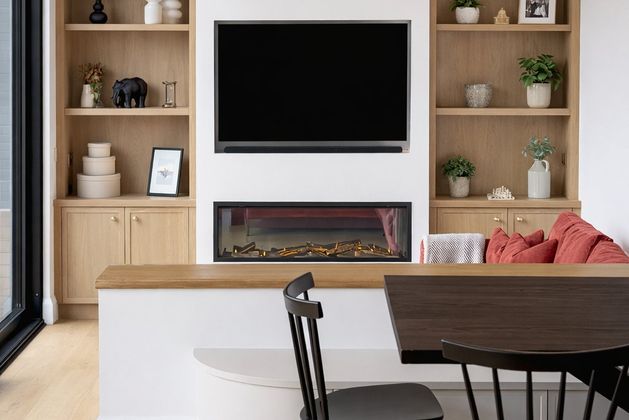
Darren Kennedy talks to interior designer David O’Brien for some expert tips
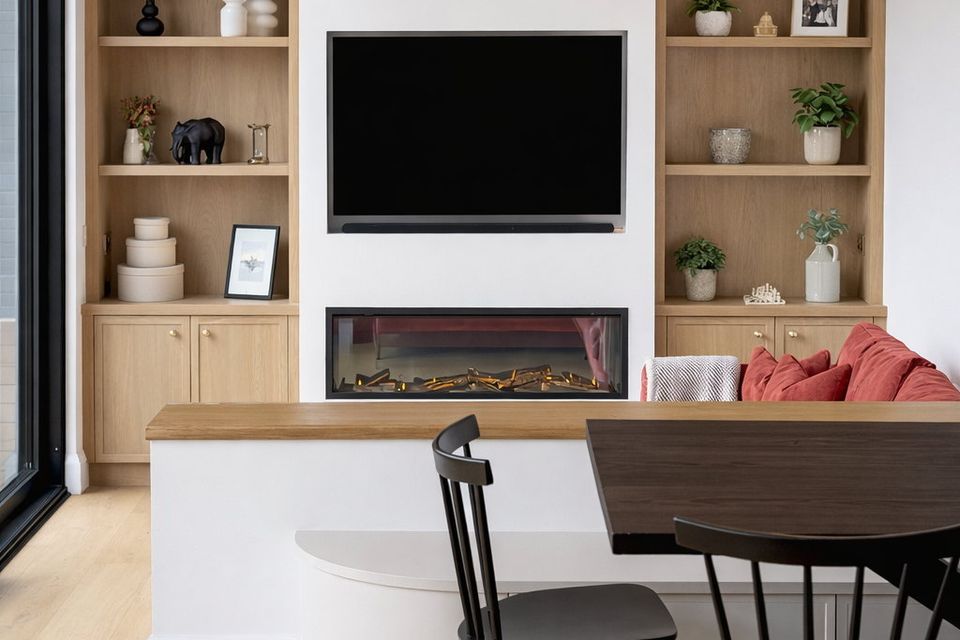
Living-dining room design by interior designer David O’Brien, see Instagram: @theblackhouse.ie

David O’Brien is a Cork-based interior designer and project manager with RJ O’Brien Building Contractors


Anyone who has renovated a home will know that it is as exciting as it is stressful. You spend years saving, planning and imagining how your dream space might look, only to suddenly find yourself making endless decisions and watching the costs rise by the day. I turned to interior designer David O’Brien for his advice and, reassuringly, he says this feeling is incredibly common.
“Many homeowners find themselves exactly where you are, overwhelmed and unsure where to spend and where to cut back,” he says. “Budgets that felt realistic at the outset can quickly shift as decisions mount and unforeseen issues arise.”
According to O’Brien, the biggest mistake people make is trying to do everything all at once. “For most people, it is simply not possible,” he says. “One of the most effective ways to regain control of a spiralling budget is to create a clear list of priorities. Every renovation involves compromise, so be honest about your non-negotiables.”

David O’Brien is a Cork-based interior designer and project manager with RJ O’Brien Building Contractors
He suggests asking yourself what matters most. Is it the kitchen, the layout, better storage, natural light or your connection to the garden? Once you know what you really care about, it becomes much easier to make confident decisions elsewhere. From a practical perspective, O’Brien always encourages clients to invest in what he calls “the bones of the house” first. “Windows, insulation and heating systems are not the glamorous part of a renovation, but cutting back here is almost always a false economy. If the fundamentals are wrong, no amount of beautiful finishes will fix it.” This is where your money should go, because these are the things that will make your home feel better every single day.
Where you can save is often in the more decorative layer of the renovation. Kitchens, tiles, lighting, hardware and paint can vary in price, but O’Brien says expensive does not always mean better. “A well-designed scheme will look considered regardless of cost. I often advise clients to mix high and low elements. For example, pairing a stone worktop with more affordable kitchen doors. Be strategic with sourcing. Researching online, comparing suppliers and waiting for the right piece can make a significant difference.”
Another useful tip is not to rush to finish every room immediately. “Sometimes living in the space for a while will tell you far more than any plan ever could. It will help you avoid expensive mistakes.”
He also encourages homeowners to rethink what they already own. Existing furniture may not perfectly suit your new look, but it can bridge the gap while your home evolves. “Incorporating vintage or antique furniture is one of the most effective ways to elevate a space without overspending. These pieces are often better made than new equivalents, and they bring character and individuality that cannot be replicated.”
Ultimately, renovation is not a race. As David puts it “Get the fundamentals right, be disciplined with the rest, and you will create a home that not only looks good, but genuinely represents you and works for how you live.”
See Instagram: @theblackhouse.ie