
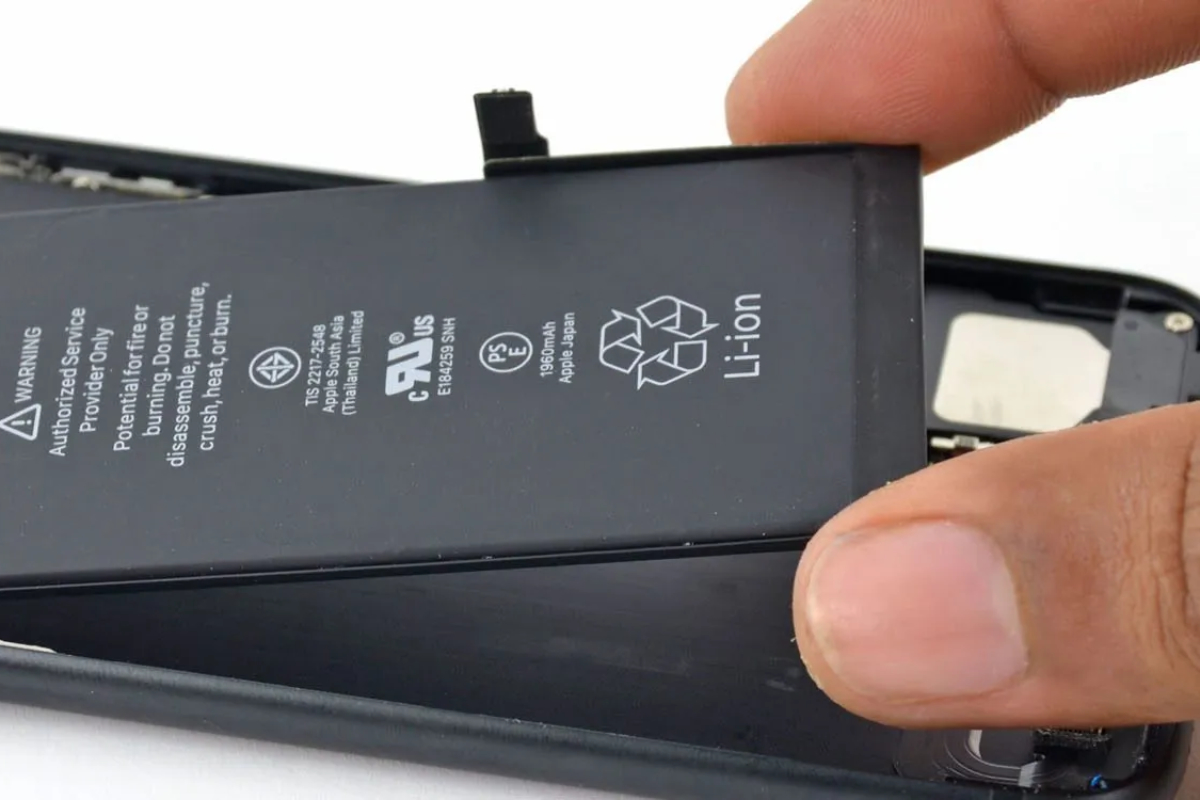
The European Union (EU) will enforce new rules from 2027 requiring smartphones and other battery-powered devices to allow easier battery replacement, though the law does not necessarily mean handsets must return to removable back covers as many consumers assume.
Under Regulation (EU) 2023/1670, drafted in 2023, electronic devices with built-in batteries must be designed so batteries can be replaced conveniently by users without specialised tools. Manufacturers may still use dedicated tools if they are supplied free with the product.
In practice, this does not mean a return to older designs with removable back covers. Instead, devices must be easier for consumers to open and repair on their own, without relying solely on authorised service centres.
The rules apply beyond smartphones to tablets, smart glasses and other devices with rechargeable batteries, meaning they could affect a wide range of consumer electronics sold in Europe.
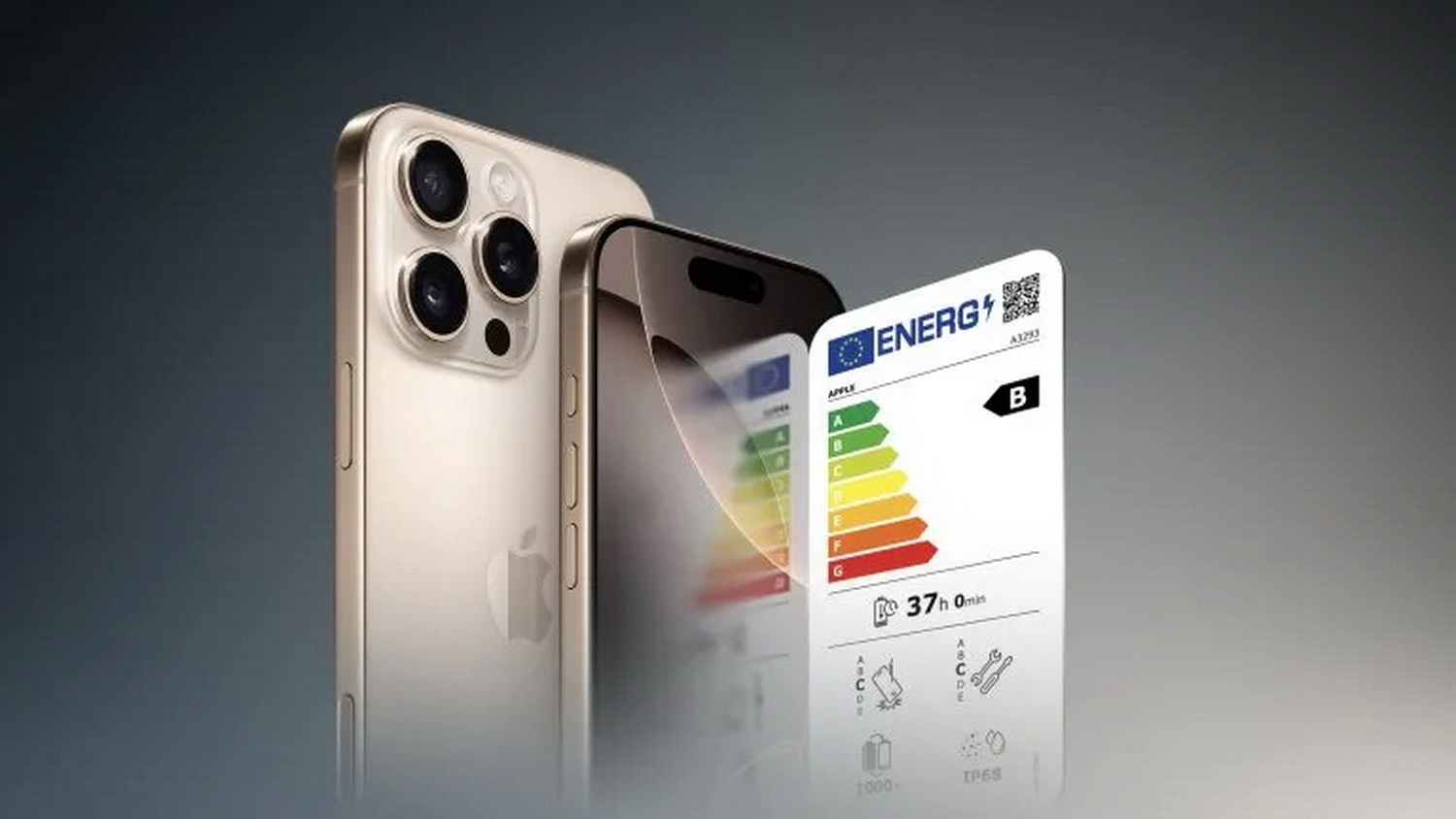
However, the regulation includes significant exemptions. Devices whose batteries retain at least 80% of original capacity after 1,000 charge cycles may be excluded from some replacement requirements. Several recent flagship models are already reported to meet or exceed that threshold.
The regulation permits batteries to be serviced exclusively by professional repairers, provided manufacturers meet a set of requirements. These include offering at least five years of operating system updates and ensuring battery capacity remains at 83% after 500 charge cycles and 80% after 1,000 cycles. Other requirements include achieving a minimum of IP67-rated dust and water resistance (fully protected against dust and able to withstand brief submersion in water) and passing EU-standard drop tests.
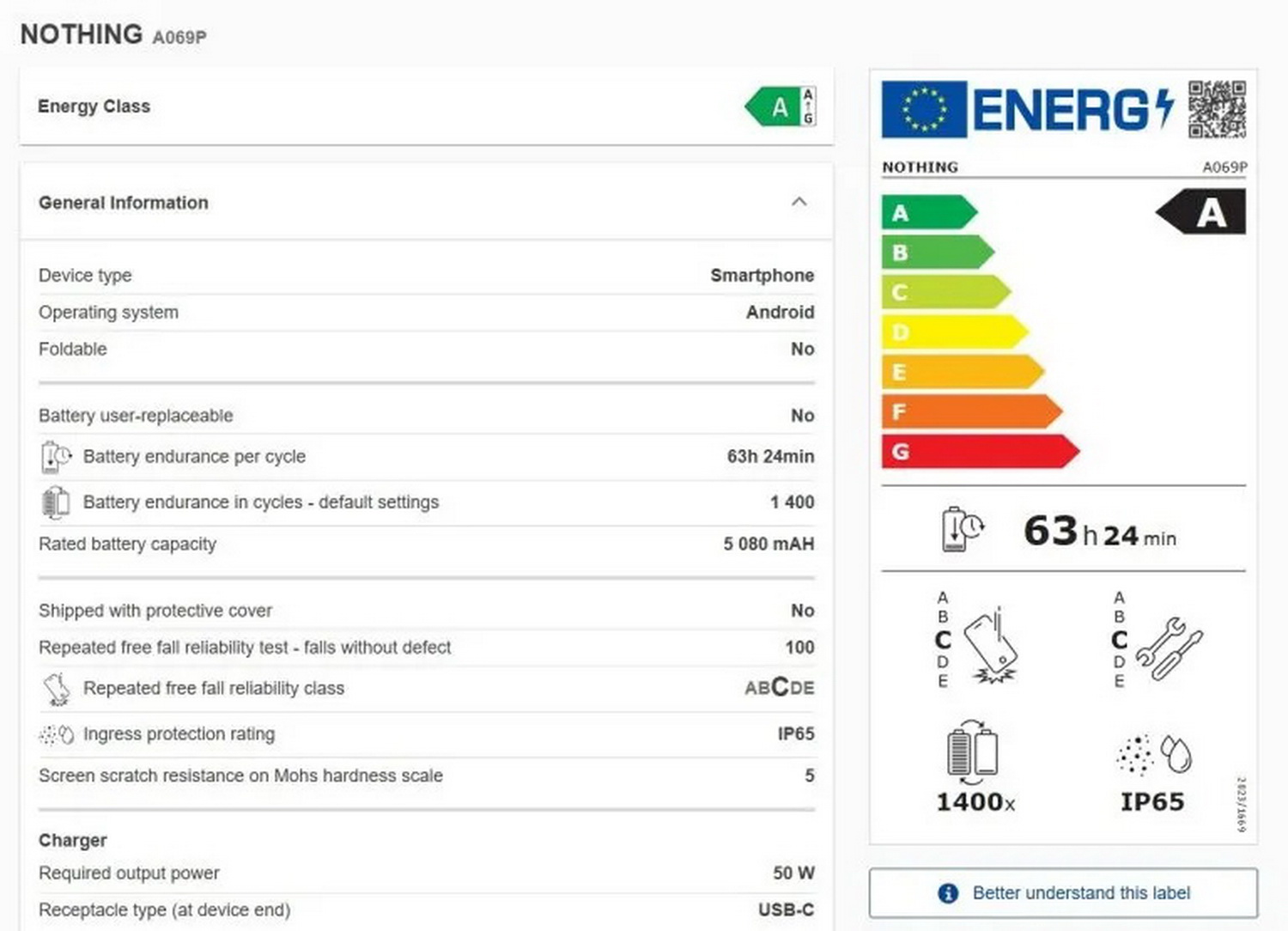
Further requirements include display scratch resistance of at least level four, as well as spare parts remaining available for seven years after a model is withdrawn from sale or production ends.
The measures are part of the EU’s wider push to cut electronic waste. Official figures show the bloc generates around five million tonnes of e-waste annually, with only about 40% properly recycled.
The new rules are expected to pressure manufacturers to improve product durability, repairability and long-term support, while reducing waste created by unnecessary replacement cycles.