
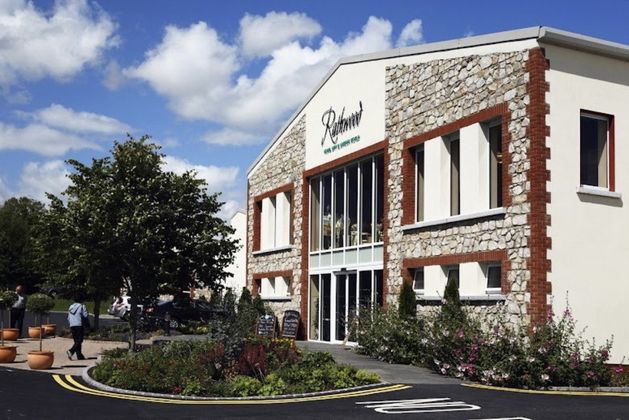
In the meantime, the business, based just outside of Tullow, Co Carlow, is continuing to trade, now under the control of the court-appointed examiner Padraic Bermingham of Strata Financial.
The Irish Independent understands that a number of potential buyers have emerged.
The large number of customers who paid deposits for garden furniture, often bought online for later delivery, is an unusual feature of the examinership, and it’s thought that identifying and verifying potentially thousands of individual claims may take some time yet.
However, the Irish Independent understands the current estimate is that those customers are owed as much as €2.5m.
In total, the debts of the business are understood to be around €18m, dramatically exceeding its assets.
Creditors are understood to include Revenue – which is typically at the top of the queue for repayment when a business becomes insolvent – and trade creditors including suppliers are understood to account for the biggest share of money owned by the business.
Unsecured creditors, including customers that have paid a deposit for goods not yet delivered, are typically well down the list for repayment in the event of insolvency. However, in the Rathwood case a rescue scheme may well look to prioritise fulfilling outstanding orders to support the long-term viability of the business.
It is understood that multiple suitors have approached the court-appointed interim examiner after he advertised seeking expressions of interest at the end of April and set a deadline of May 10 for interested parties.
The High Court is expected to be asked to confirm the for-now interim examinership today, pending an assessment from Mr Bermingham that the business has a realistic prospect of survival.
Evidence of buyers’ interest and appetite to invest in supporting the business is likely to be a factor in those determinations.
Examinership is a legal process where a company that is viable, but experiencing financial difficulties, receives court protection from creditors for 100 days, providing breathing space and legal certainty to restructure debts and facilitate new investment.
In a successful examinership, the examiner will put forward a rescue plan, which can include writing off some debts, that the High Court can impose on the parties affected.