
Long-dated UK borrowing costs surged to their highest in nearly 30 years, sterling slumped and shares fell today as investors brace for a potential change of leadership that could weaken fiscal discipline.
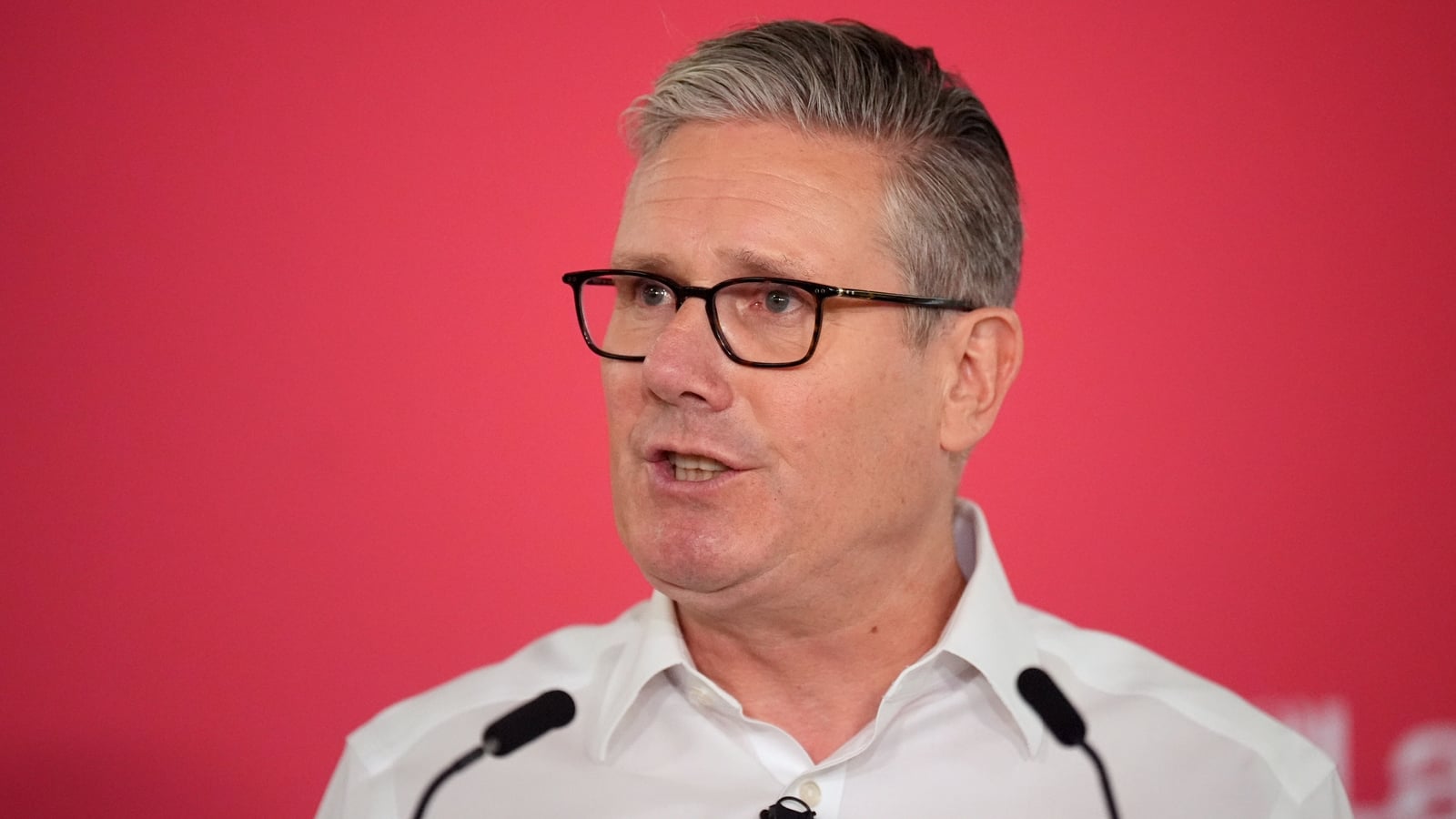
Keir Starmer was consulting colleagues about whether he can stay on as Britain’s prime minister today.
Investors are worried that a replacement would be more left-wing than Starmer and push for more spending at a time when Britain’s finances are already stretched.
UK borrowing costs remain the highest among the Group of Seven advanced economies and have risen the most since the Iran war, so a further rise will add to the pressure on its public finances.
The benchmark 10-year gilt yield jumped 11 basis points (bps) to 5.11%, just below the highest levels since 2008 it hit in March on concerns around the inflationary impact of the Iran war.
Longer-dated 20 and 30-year yields, more sensitive to fiscal risks, rose to their highest since 1998, at 5.12% and 5.80%.
“The bond market is reacting not only to Starmer’s potential departure, but also to who his successor could be, and to the prospect of a drawn-out leadership battle that leads to more fiscal promises that the UK cannot afford,” said Kathleen Brooks, research director at broker XTB.
The pound dropped 0.7% to $1.351 and was 0.4% lower against the euro at 86.92 pence.
Stock markets also came under pressure with the FTSE 100 index down 0.5% this morning.
British banks also fell with Barclays dropping 4%, while Natwest and Lloyds fell over 3% each.
British banks were leading declines among European banking stocks.
Analysts at JPMorgan said they now expected Britain’s banking surcharge to rise to 5% from 3% as a leftward shift in policy is more likely.
Bond markets were also under pressure across Europe as hopes for a peace deal on Iran faded today as US President Donald Trump said a ceasefire was on “life support”.