
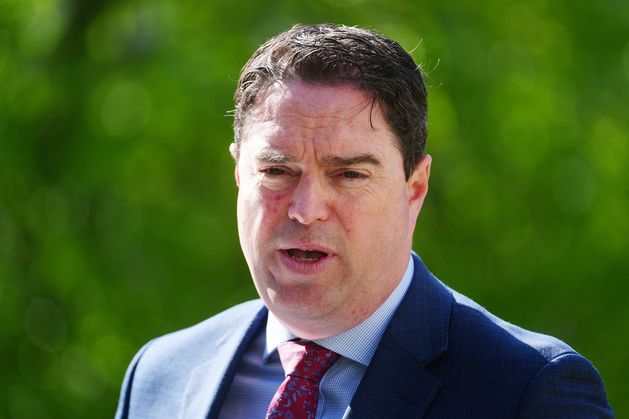
Geopolitical uncertainty shows we must diversify the countries we trade with, says Martin Heydon
Butter, cheese, pork and poultry producers will be the big Irish winners from the deal, expected to be signed at a summit to be held in Mexico later this week.
And while the deal does provide a pathway for Mexico’s growing beef industry to overcome barriers it faces in Europe over recognition of its BSE and foot-and-mouth disease status, Heydon insisted that it does not compare to the controversial Mercosur deal that sparked protests by Irish farmers.
The Irish Government earlier this year refused to ratify the EU-Mercosur trade agreement over concerns in the beef sector about Brazilian imports.
“The challenge we had with Mercosur was very specific, particularly around the vulnerability and sensitivity for our beef sector,” said Heydon.
The European Commission’s confirmation last week that Brazilian beef may be banned from the EU from September over antibiotic use in animals had vindicated the Irish position, said Heydon.
In every trade deal you’ll have offensive and defensive positions
That, he said, was very different to anything in the deal with Mexico, and the Government continues to raise with the EU the need for an overall analysis of the cumulative nature of trade deals and “the needs of our sensitive sectors”.
“I think that in every trade deal you’ll have offensive and defensive positions, but the challenges we had on the beef side in Mercosur were ones that we as a government couldn’t support. But you can see the positives in this.
“I was in Mexico a number of years ago on a pork promotion run by the EU and I was really struck by the cultural connection – through soccer and other things – that there is between Mexico and Ireland,” said Heydon.
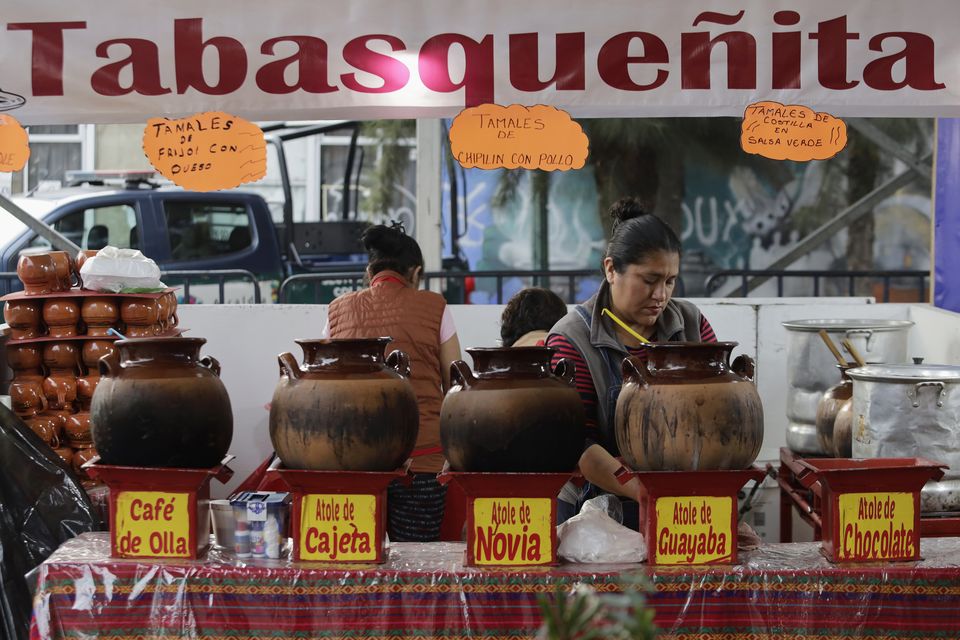
Vendors sell tamales at the Tamal Fair in Mexico City on Candlemas Day. Photo: Getty
Ireland already has a significant trading relationship with Mexico – particularly in dairy, with some €67m exported in 2024 out of a total of €85m. It is by far the most important agri-food export market in Latin America and the Caribbean, accounting for around a third of all Irish agri-food exports to the region.
Irish casein – a protein derivative of the dairy industry – is used in domestic Mexican cheeses and Ireland is the largest supplier of imported casein into Mexico.
Ornua’s Kerrygold butter and cheese is well positioned to take advantage of tariff liberalisation on dairy products with significant opportunities for butter and cheese in particular.
“The big guys, Ornua for example, source the milk from 15 different co-ops around the country to make Kerrygold. So Kerrygold epitomises the small guy.
Tourism plays a part in rural communities, but they are underpinned by agriculture
“An individual farmer can rightly say their milk is going into the incredible success of that product. So a deal like this is very much about the primary producers up and down the country,” he said.
“Urban-based people who will be going down the country this year for a holiday will see a thriving rural community. Tourism plays a part in that, but it is underpinned by agricultural activity.
“And many of those green fields will have produced milk for export and given a real return back to farmers,” he said.
It had been a “pretty tumultuous” start to the year, he said.
“We have been through a series of remarkable shocks over the last 10 years, starting with Brexit.
“The geopolitical uncertainty only underlines that we must diversify the countries we trade with, and the areas in which we do business. We can’t be over-dependent on any one area.”
The new deal with Mexico will be another important step in that diversification process, he said.