
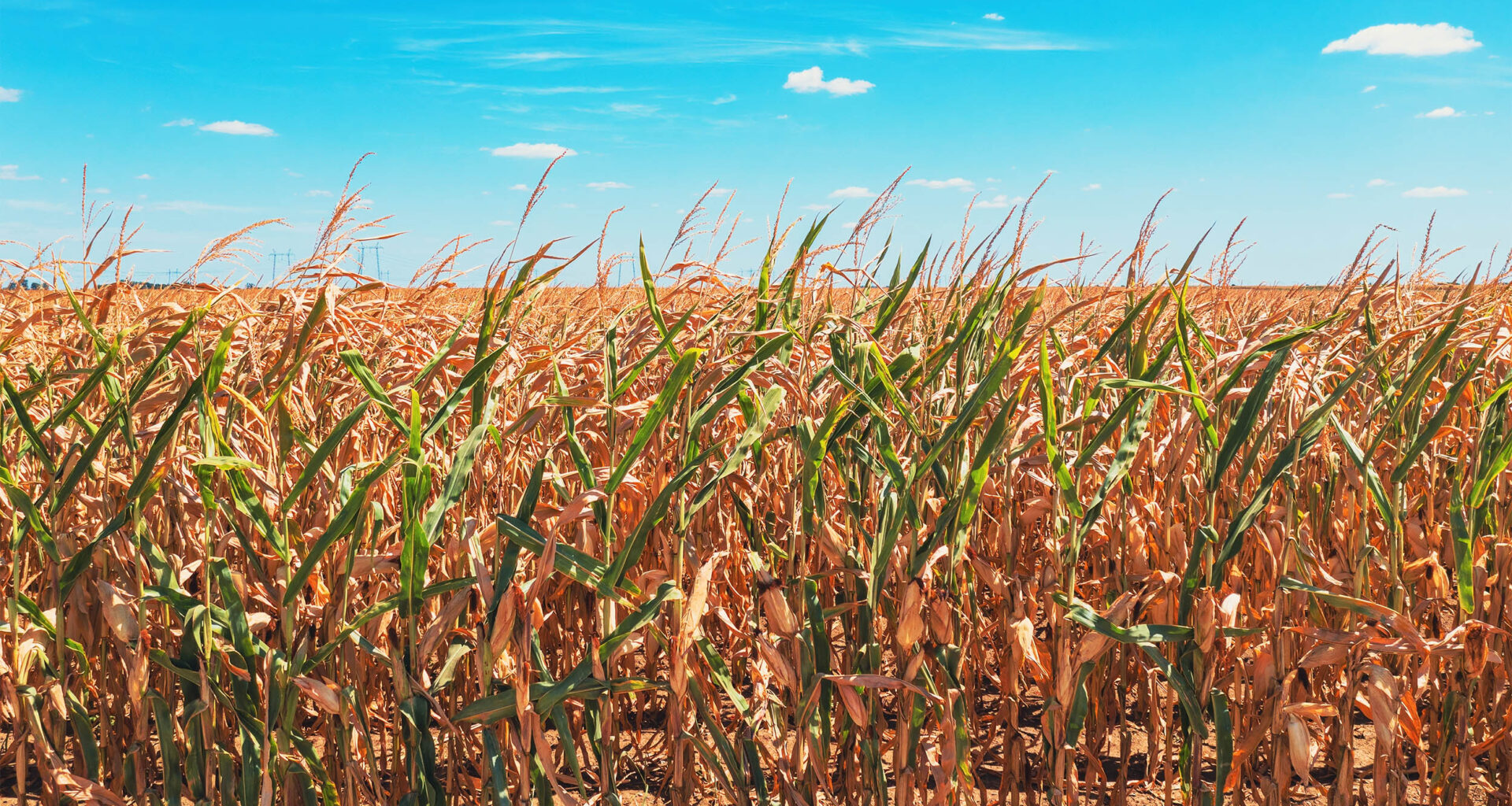
Scientists measure climate warming using thermometers positioned a few feet above the ground and protected from direct sunlight.
The measurements help experts interpret crop models, forecast drought conditions, and evaluate the emissions targets used in international climate agreements.

In all of these processes, scientists assume they are capturing what plants actually experience. But the picture is still incomplete.
For example, a leaf cools itself by releasing water vapor, but that system weakens when the air becomes too dry and plants begin conserving water.
A new study reveals that the gap between what leaves feel and what thermometers record is set to widen by century’s end – in ways that most climate models aren’t capturing.
When excessive heat strikes
Leaves at the top of a sunlit canopy won’t mirror a reading from a thermometer.
Plants heat up in the sun, then cool themselves by drawing water up through their roots and releasing it through tiny pores in their leaves.
This process, known as transpiration, helps carry heat away as the water evaporates.
When water is abundant and the air can absorb more moisture, the canopy is able to stay close to the surrounding air temperature.
But when water is limited or the air becomes too dry, plants reduce transpiration and leaves begin heating above the surrounding air temperature.
A team led by Julia K. Green at the University of Arizona (UA) set out to investigate that gap for both present and future conditions.
The goal was to understand canopy temperature, as well as the true experience of the leaves.
In desperate need of water
Scientists use the term vapor pressure deficit, or VPD, to describe how strongly the surrounding air pulls moisture from plants.
VPD reflects the difference between how much moisture the air could hold and how much it actually contains.
Humidity has been on the decline across much of the globe for a number of decades.
A previous study found that rising VPD has already decreased vegetation growth on a global scale since the late 1990s.
When the air grows that demanding, plants close their leaf pores – known as stomata – to conserve water.
Less moisture escapes, cooling weakens, and the leaf canopy heats up. The team set out to track this mechanism on a planetary scale.
Missing gaps in the models
Most projections of future climate rely on Earth System Models. These are software packages that simulate atmosphere, oceans, ice, and land as one connected system.
Green and her colleagues paired output from a suite of these models with satellite observations of the gap between canopy and air temperature.
Real-world measurements flagged which models looked reliable and which fell short.
The result exposed a systematic blind spot for the coming century. Across most vegetated regions of the planet, the models understated how much canopy temperature is projected to rise.
A widening gap ahead
By 2100, the team projects canopy temperatures will rise about two-tenths of a degree Fahrenheit (0.16°C) more than air temperatures.
While that may sound small, it represents roughly a 16% increase in the existing temperature gap between plant canopies and the surrounding air.
The largest increases appeared where scientists expected them: in drylands, Mediterranean climates, and forests already close to their water limits.
Canopies are most likely to overheat where atmospheric thirst is rising fastest.
This correlates with other research. A 2024 review documented rising VPD as being among the most far-reaching and consequential pressures terrestrial ecosystems currently face.
Plants under pressure
Inside a leaf, temperature controls nearly everything. The enzymes that drive photosynthesis have an ideal range, and they slow down outside of it.
Stomata close in order to conserve water, blocking the carbon dioxide needed for photosynthesis. As a result, productivity drops.
Researchers had long suspected canopy and air temperatures would not track each other perfectly under climate warming.
The new analysis links the growing gap to moisture stress. It shows that canopies heat up most where the air is drying fastest.
Carbon sinks at risk
Forests, grasslands, and croplands absorb roughly a third of the carbon dioxide that humans pump into the atmosphere each year.
That carbon uptake has acted as a quiet brake on warming, but it is not guaranteed to continue.”
Earlier research documented a decline in the boost that plants once received from rising levels of atmospheric carbon dioxide.
Green’s analysis adds a second concern. Models show that the temperature plants actually experience is climbing, especially where the air is growing driest.
If canopy warming keeps outpacing air warming, photosynthesis and plant growth could decline even in areas once considered low-risk.
Additionally, the carbon flowing from the atmosphere to land could shrink faster than expected.
Plant leaf temperature and climate
A few things are clear. Climate models that rely only on air temperature may systematically underestimate the heat plants experience, especially in drying regions.
In response, Earth System Models need to track canopy temperature directly to get the most accurate data.
Once they do, projections for photosynthesis, vegetation growth, and the land carbon sink will sharpen.
The models will need to be revised, creating a ripple effect for crop forecasts, drought outlooks, and emissions targets.
The study is published in the journal Nature Communications.
—–
Like what you read? Subscribe to our newsletter for engaging articles, exclusive content, and the latest updates.
Check us out on EarthSnap, a free app brought to you by Eric Ralls and Earth.com.
—–